Checking Toothpaste Expiration Dates and
Storage Methods
Toothpaste is an everyday essential used daily,
but many people do not pay much attention to
its expiration date or storage method.
However, toothpaste can also lose ingredient stability
after a certain period of time,
so proper care is needed.
If you know the correct way to check and the right storage habits,
you can build a stronger foundation for oral care.
Toothpaste, which we naturally use in the morning and at night,
is often kept in the bathroom all the time, so it is easy to think
it does not need special care.
But toothpaste, like cosmetics or quasi-drugs,
also has a recommended period of use.
If a product you have been using carelessly has already
passed its expiration date, its care effect may decrease.
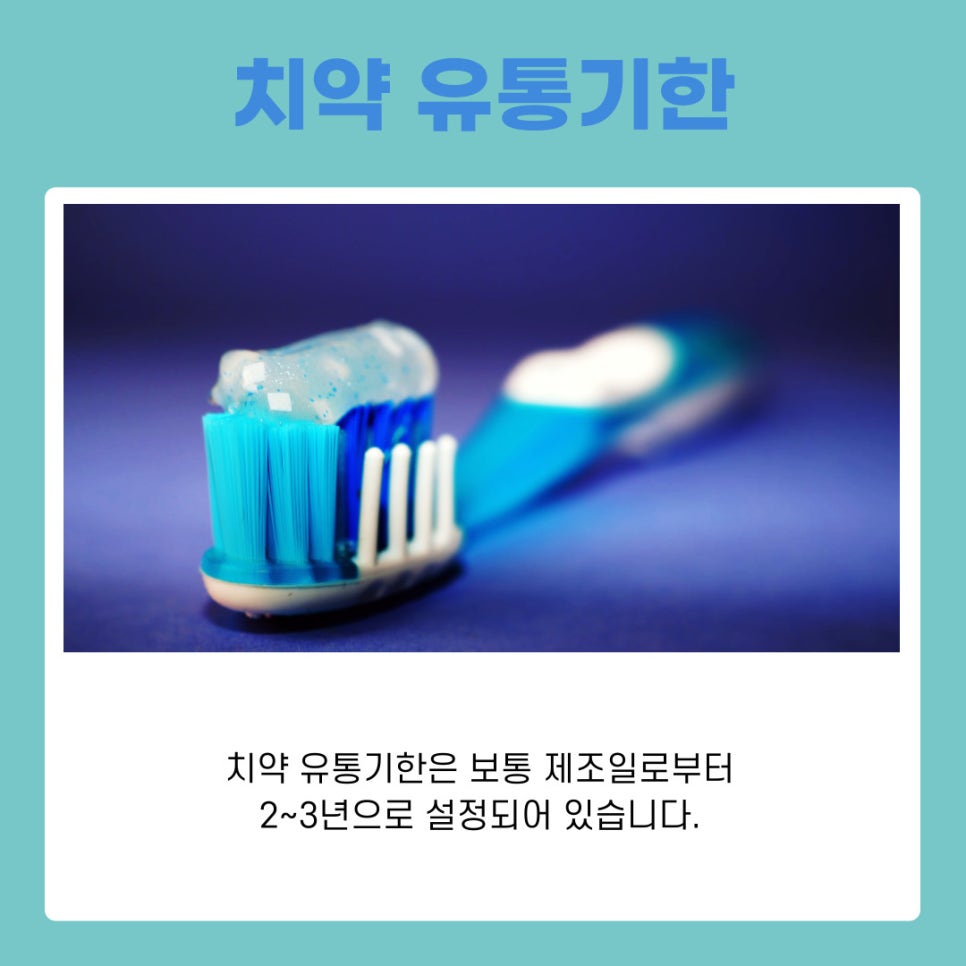
The expiration date for toothpaste is usually set to
2 to 3 years from the date of manufacture.
This is determined based on the period during which
the ingredients can remain stable.
As time passes, the cleaning ingredients or
the effectiveness of fluoride may decrease,
and the scent or texture may also change.
Even if there is no noticeable change,
its performance can still be different.
Expiration date labels are often printed on the end of the toothpaste tube
or on the outer packaging.
They may appear as a date in numbers,
or the manufacturing date and expiration date may be shown together.
Once the packaging is discarded, it becomes difficult to check,
so it is a good habit to confirm it once before opening.
The period of use after opening is also important.
Because toothpaste is exposed to air and moisture
as soon as it is opened, the rate of deterioration can vary
depending on the usage environment.
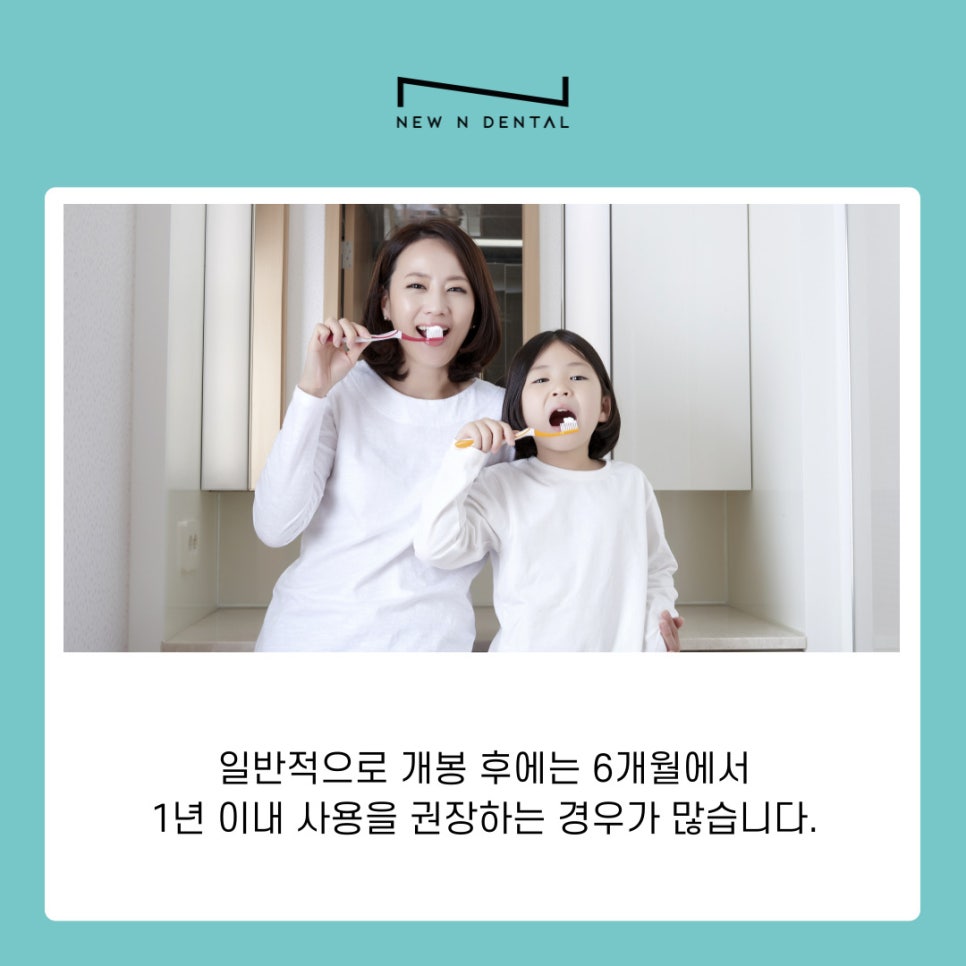
In general, many recommend using it within
6 months to 1 year after opening.
The more a product is shared by family members,
the more hygiene management is needed.
To use toothpaste safely for a long time,
the storage environment is important.
Since bathrooms are spaces with high humidity and frequent temperature changes,
they can be vulnerable to proper care.
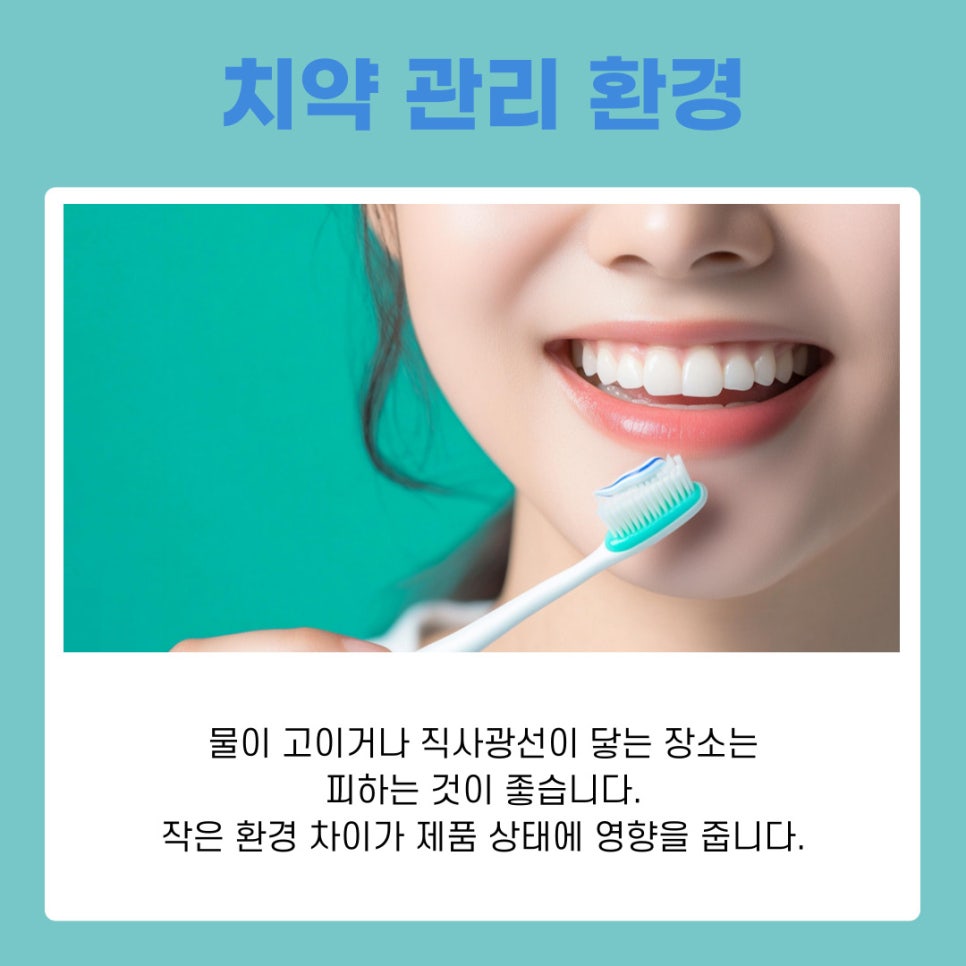
It is best to avoid places where water pools
or where direct sunlight hits.
Small environmental differences can affect the condition of the product.
After use, it is basic to wipe the tube opening clean
and close the cap tightly.
If leftover toothpaste at the opening hardens or discolors,
the possibility of bacterial growth may increase.
If this condition repeats, it can affect
the inside of the toothpaste as well.
Simple habits help maintain hygiene.
Sometimes the color or smell of toothpaste may feel different
from usual.
In such cases, it is safe to stop using it.
Even if the expiration date has not passed, the quality can vary
depending on storage conditions.
It is best to treat unusual signs as a signal to replace it.
Even when buying several tubes in advance,
management is still needed.
It is advisable to set an order of use and use older products first.
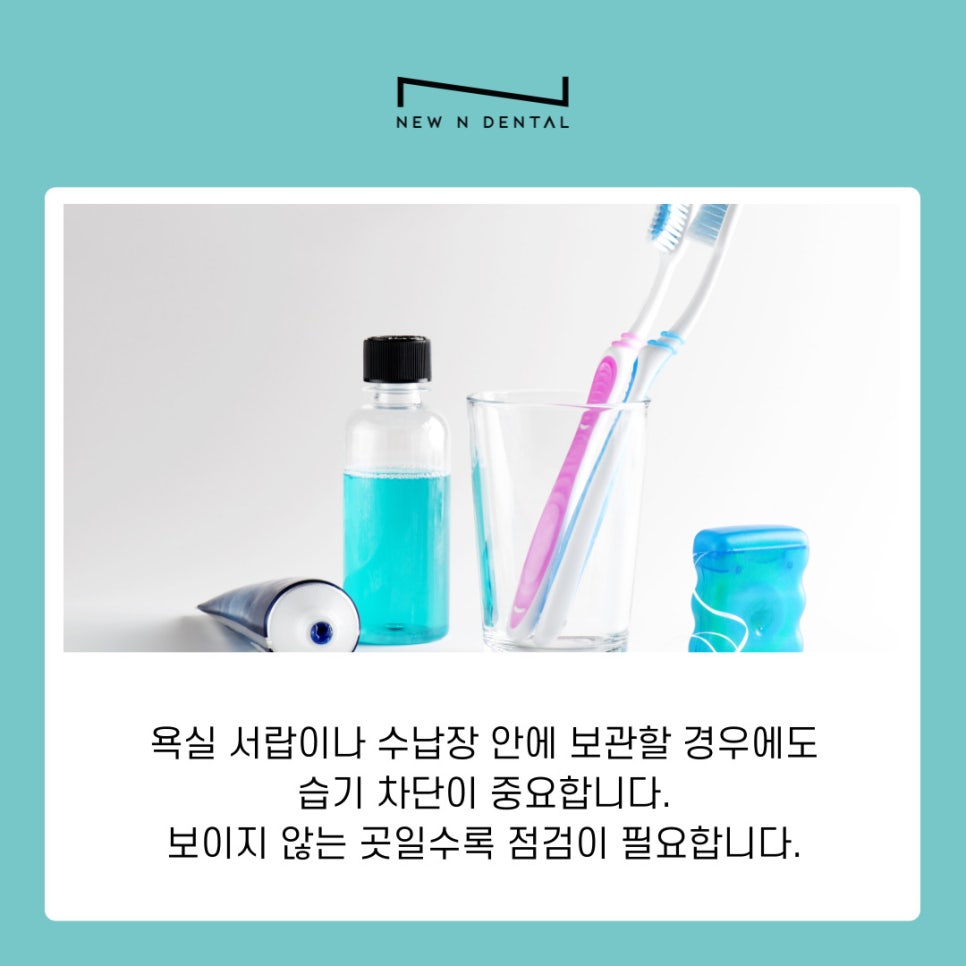
Even when storing it in a bathroom drawer or cabinet,
moisture protection is important.
The less visible the place, the more it needs to be checked.
Toothpaste used by children or older adults
requires even more careful management.
Products with poor hygiene conditions can place a burden
on the oral environment.
In particular, for toothpaste used by children,
parents or guardians should periodically check its condition.
Responsibility for care varies depending on the usage environment.
Some people also consider refrigerating toothpaste
when thinking about storage.
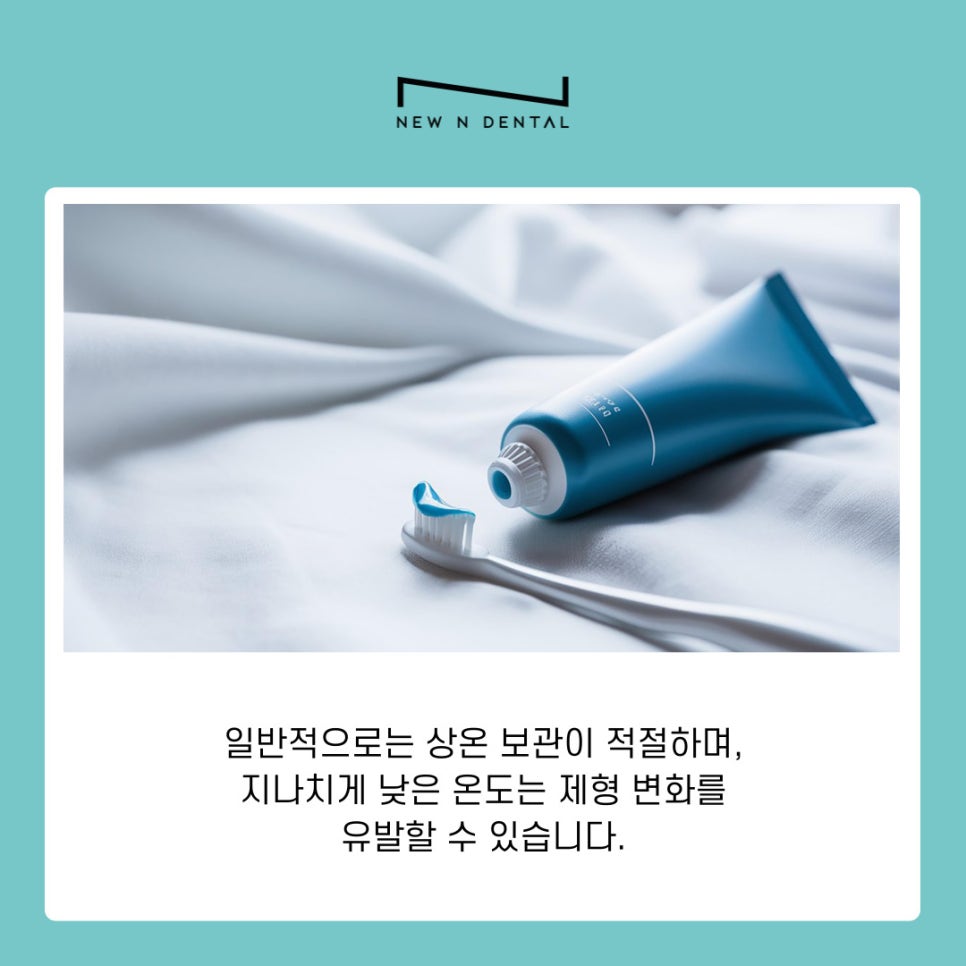
In general, room-temperature storage is appropriate,
and excessively low temperatures may cause changes in the formulation.
A cool, dry place is the ideal storage environment.
Unless there are special instructions,
refrigerated storage is not necessary.

Using one tube of toothpaste for a long time does not
immediately cause a problem.
However, products left unused for a long time may lose
some of their care effect.
Since it is a basic tool for oral care,
it is best to use it while checking its condition.
Small differences add up and can change the results of care.
Toothpaste is not just a simple consumable
but a care tool used every day.
If you consider both the expiration date and the storage method,
the quality of oral care can change.
Simply reviewing your usage habits can raise your care level one step.
It is an easy-to-overlook part of daily life,
but toothpaste care is also part of oral health.
The more carefully you use it,
the more you need the habit of checking its condition.
Care starts with attention.
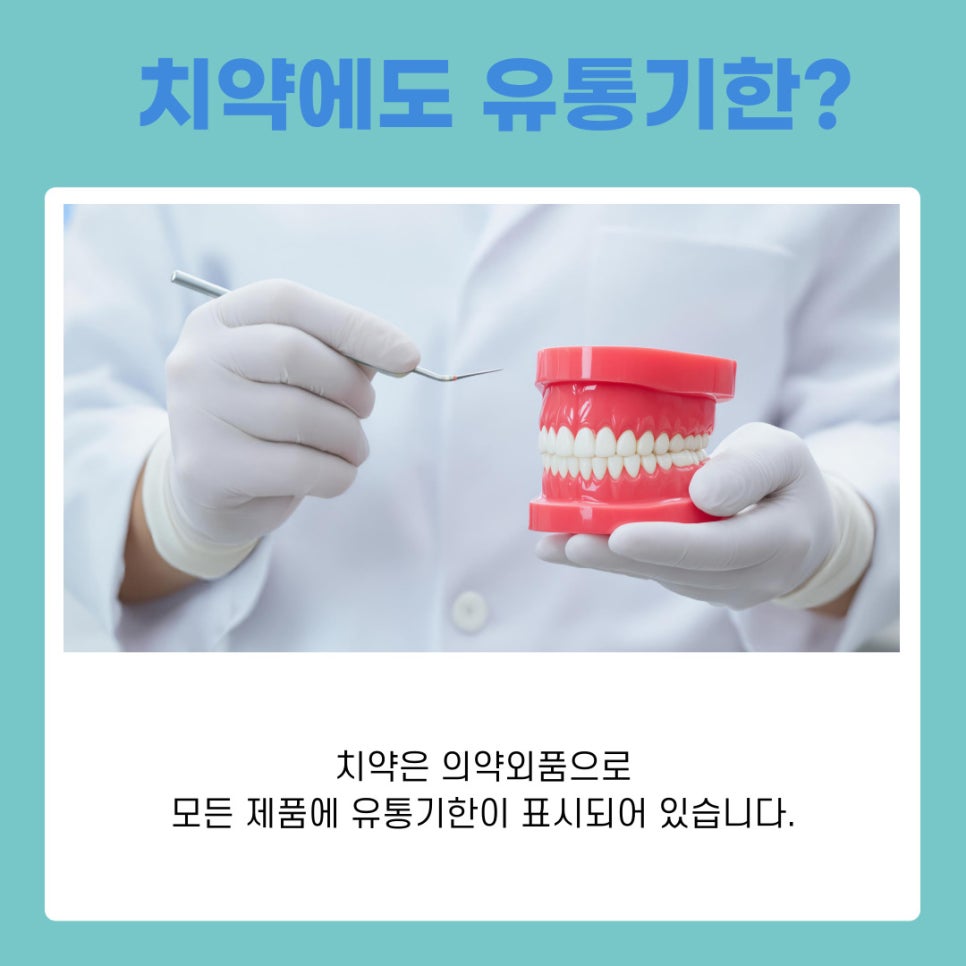
Q. Does toothpaste also have an expiration date?
A. Yes, toothpaste is a quasi-drug,
and all products have an expiration date listed.
The recommended period of use for toothpaste is determined
based on the stability of functional ingredients such as
cleaning agents and fluoride.
In general, the expiration date is set to
about 2 to 3 years from the date of manufacture,
and this refers to the period during which
the effect remains stable.
Checking the expiration date and storage method for toothpaste
is not a difficult or cumbersome task.
With a little attention,
anyone can practice this basic habit.
Small acts of care add up to create a healthy oral environment.
The more often a product is used every day,
the more important it is to check it.
Even changing one tube of toothpaste can
alter the standard of care.
It is a good idea to check the condition of the toothpaste
you are using today at least once.