
The teeth whitening procedure process explained by a Gangnam Sinsa-dong dental clinic
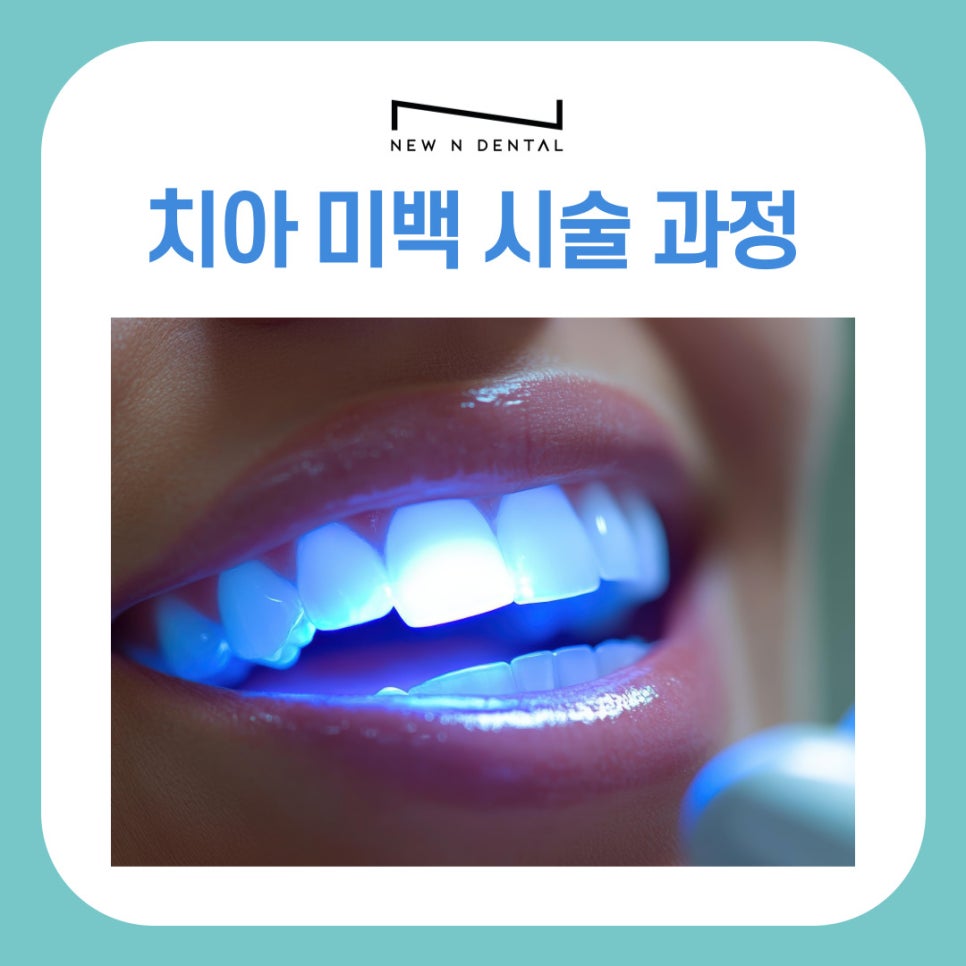
Some people worry that the color of their teeth may make their impression look different.
Because the teeth shown when smiling have a major impact on first impressions, many people want a natural and bright color.
Teeth whitening is not simply a procedure that makes teeth white; it is treatment that begins with accurately understanding the current condition and choosing the method that fits it.
Properly understanding this process is the first step toward better satisfaction.
There are many reasons people consider teeth whitening.
In some cases, the color changes due to everyday factors such as coffee, tea, or smoking habits, and in other cases, discoloration occurs because of past treatment history or external trauma.
If these causes are not distinguished and whitening is performed unconditionally, it is difficult to achieve the expected results.
At the Gangnam Sinsa-dong dental clinic, the pre-whitening consultation process focuses on checking the cause of tooth discoloration first.
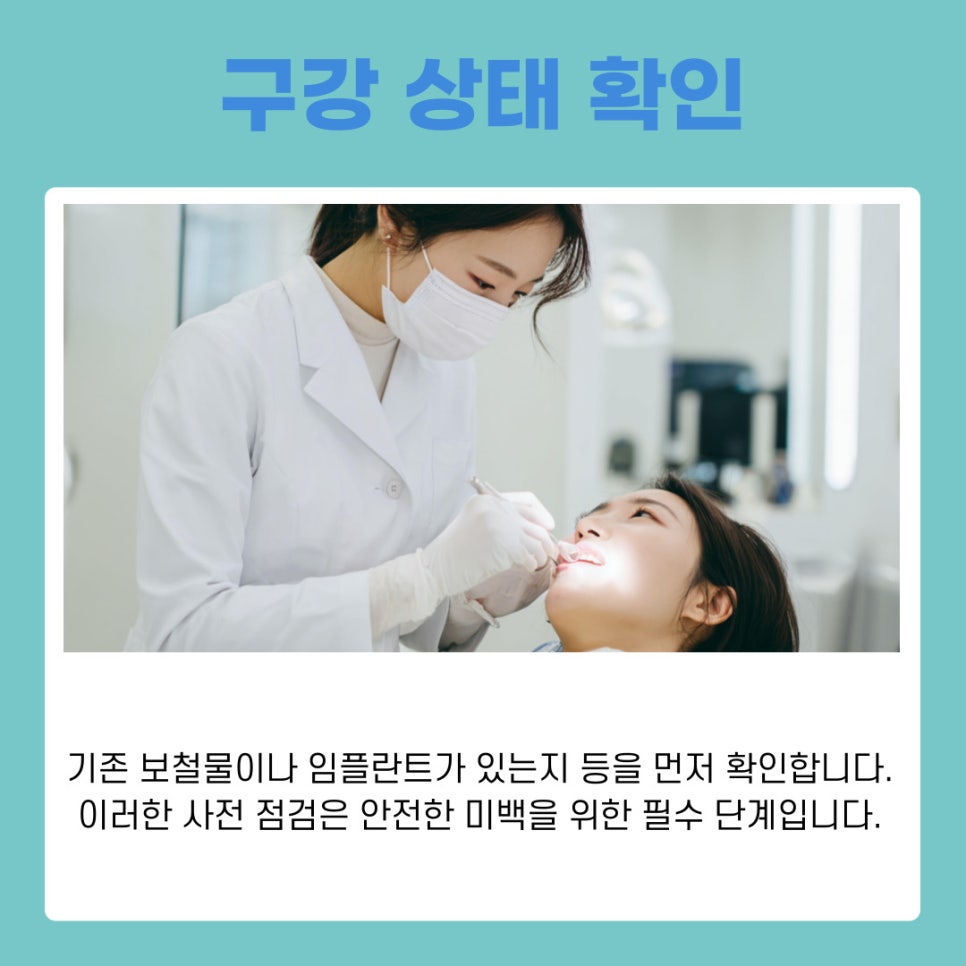
Before whitening treatment, a basic oral condition check is necessary.
If whitening is performed immediately while there is tooth decay or gum inflammation, pain may occur due to irritation.
Therefore, first they check whether any treatment is needed before whitening and whether there are existing prosthetics or implants. This preliminary check is an essential step for safe whitening.
The teeth whitening process is broadly divided into a preparation stage and the actual procedure stage.
In the preparation stage, foreign substances on the tooth surface are removed and factors that could interfere with the whitening effect are addressed.
Only when this process is done properly can the whitening agent work evenly.
Though it may look like simple cleaning, it is an important step that affects the outcome.
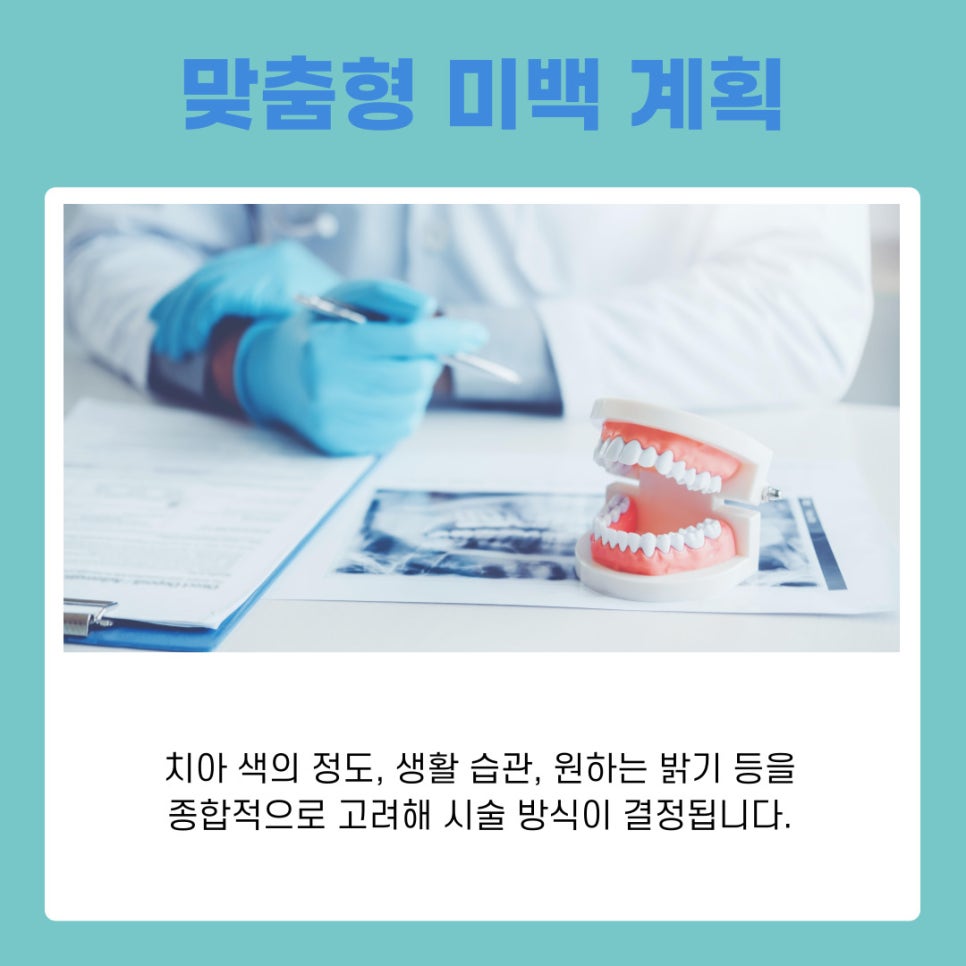
Next, a whitening plan is established based on each person's condition.
The procedure method is determined by comprehensively considering the degree of tooth discoloration, lifestyle habits, and the desired level of brightness.
The approach may differ depending on whether someone wants rapid change or prefers gradual change.
In-office whitening is performed in a relatively short amount of time.
After protecting the gums with a barrier, the whitening agent is applied and then activated.
At this time, some people may feel slight sensitivity or mild pain, but it is usually a temporary reaction.
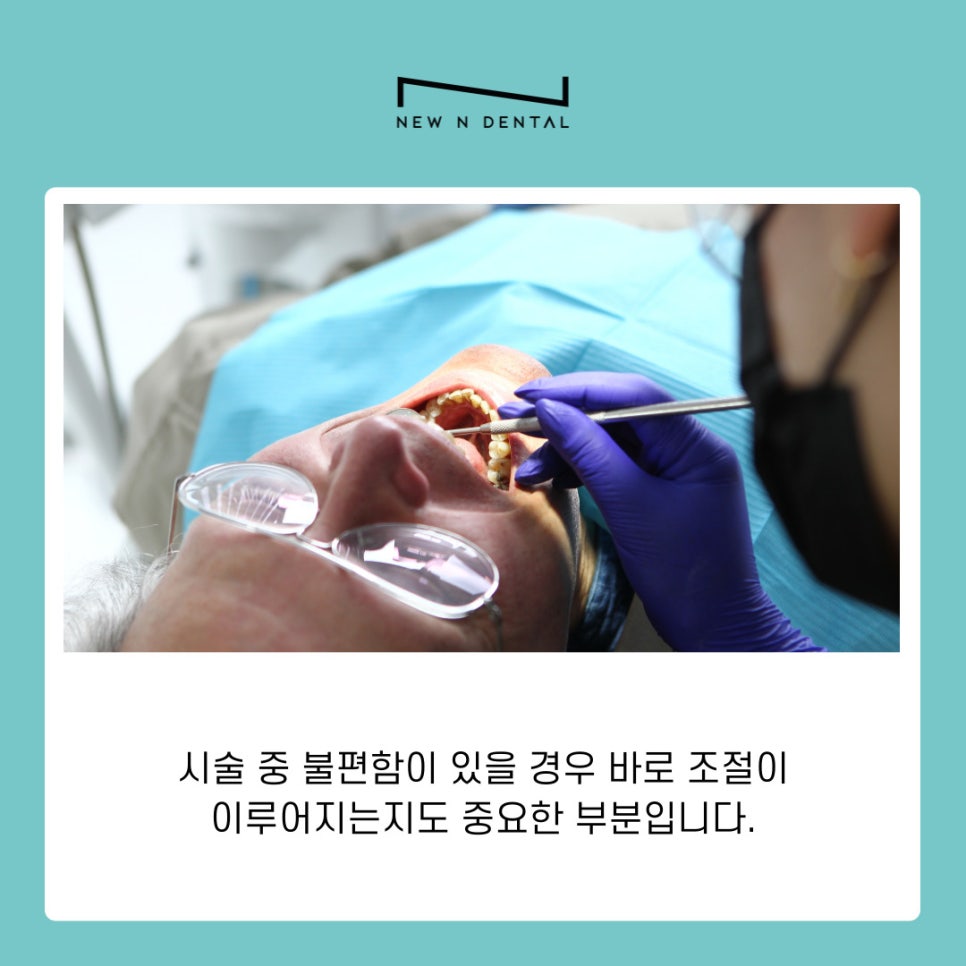
If discomfort occurs during the procedure, it is also important that adjustments can be made right away.
Some people also combine it with home whitening.
This method involves consistent care at home for a certain period, and it is important to follow the method explained by the dental clinic exactly.
If the usage time and frequency are not followed, the effect may decrease or gum irritation may occur.
Therefore, it is necessary to fully understand the instructions before proceeding.

Teeth whitening is not a procedure that ends in one session; it is a process that requires ongoing care as well.
For a certain period after whitening, it is advisable to avoid foods and drinks with strong pigmentation.
How this period is handled may affect how long the results last.
At the Gangnam Sinsa-dong dental clinic, guidance on lifestyle management after the procedure is also provided.
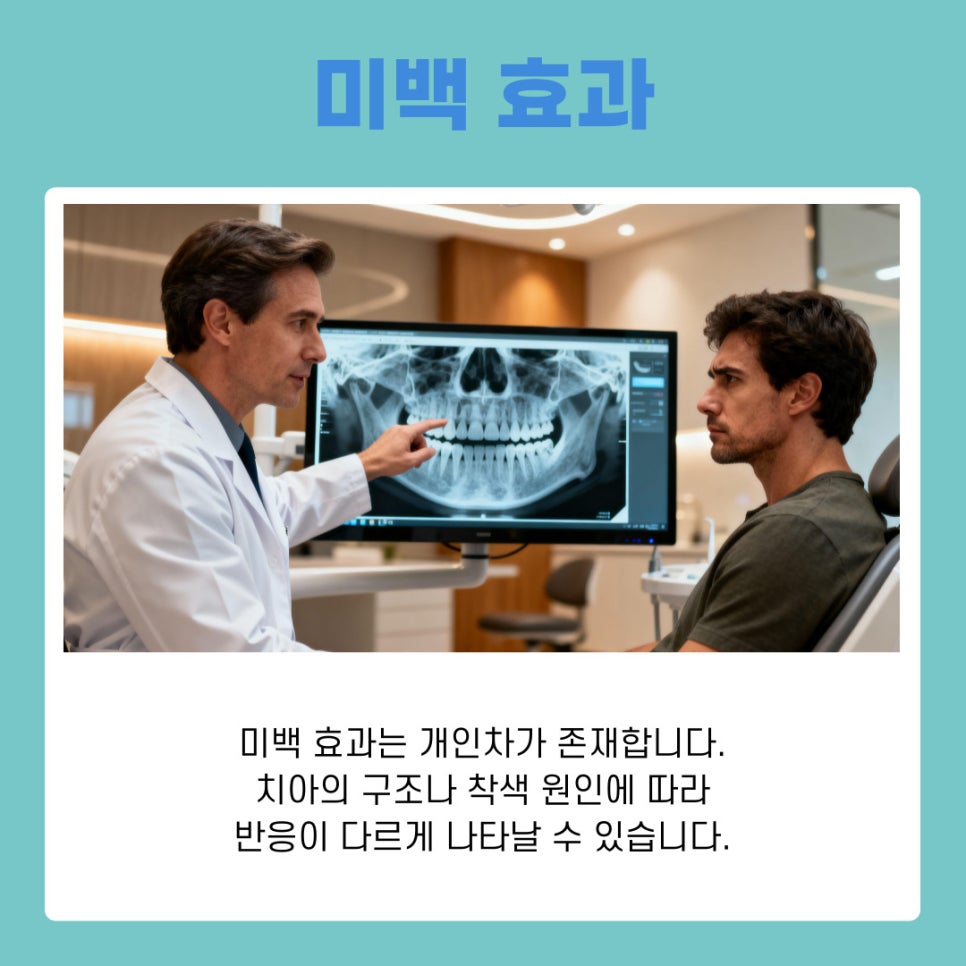
Whitening effects vary from person to person.
The response may differ depending on the structure of the teeth and the cause of staining.
In particular, if there is a history of past trauma or root canal treatment, a different approach from general whitening may be needed.
Even in such cases, the goal is not to force the treatment but to improve within a feasible range.
It is also necessary to understand the relationship between teeth whitening, implants, and prosthetics.
Whitening agents react only to natural teeth, so the color of existing prosthetics does not change.
If this is not taken into account, a color difference may be noticeable after whitening.
Therefore, it is important to receive a full explanation of this point before the procedure.
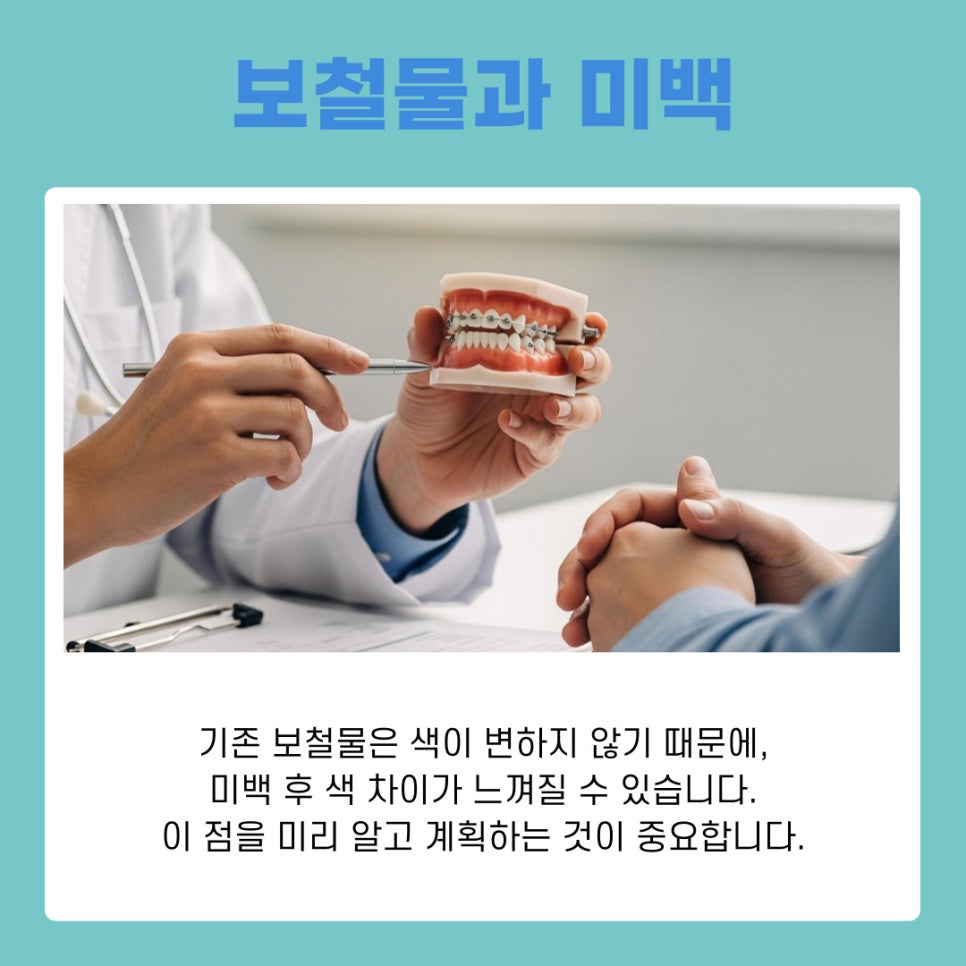
Q. Is whitening possible even if I have implants or prosthetics?
A. It is possible, but the color change will only appear on natural teeth.
Since existing prosthetics do not change color, a color difference may be noticeable after whitening.
It is important to know this in advance and plan accordingly.
Finally, teeth whitening is not only for cosmetic purposes;
it is also a process of regaining confidence.
Rather than aiming for an unnaturally bright shade, it is better to expect a natural change that suits you.
A whitening procedure carried out with sufficient consultation and explanation can be a choice that makes everyday smiles feel more comfortable.