
Gangnam Yeoksam-dong implant bone grafting
Process and recovery period: just know this and you're done
| Summary |
|---|
| 1. Bone grafting is the process of supplementing insufficient jawbone to secure the implant’s retention and stability |
| 2. Through a 3D precision examination, the appropriate graft material is selected and a suitable plan is established. |
| 3. Pain during surgery is minimal due to anesthesia, and prescribed medications should be taken and instructions followed |
| 4. Depending on the individual, a recovery period of at least several weeks to several months is needed until stable integration occurs. |
| 5. During recovery, quitting smoking and alcohol is essential, and regular visits are needed to check the condition |
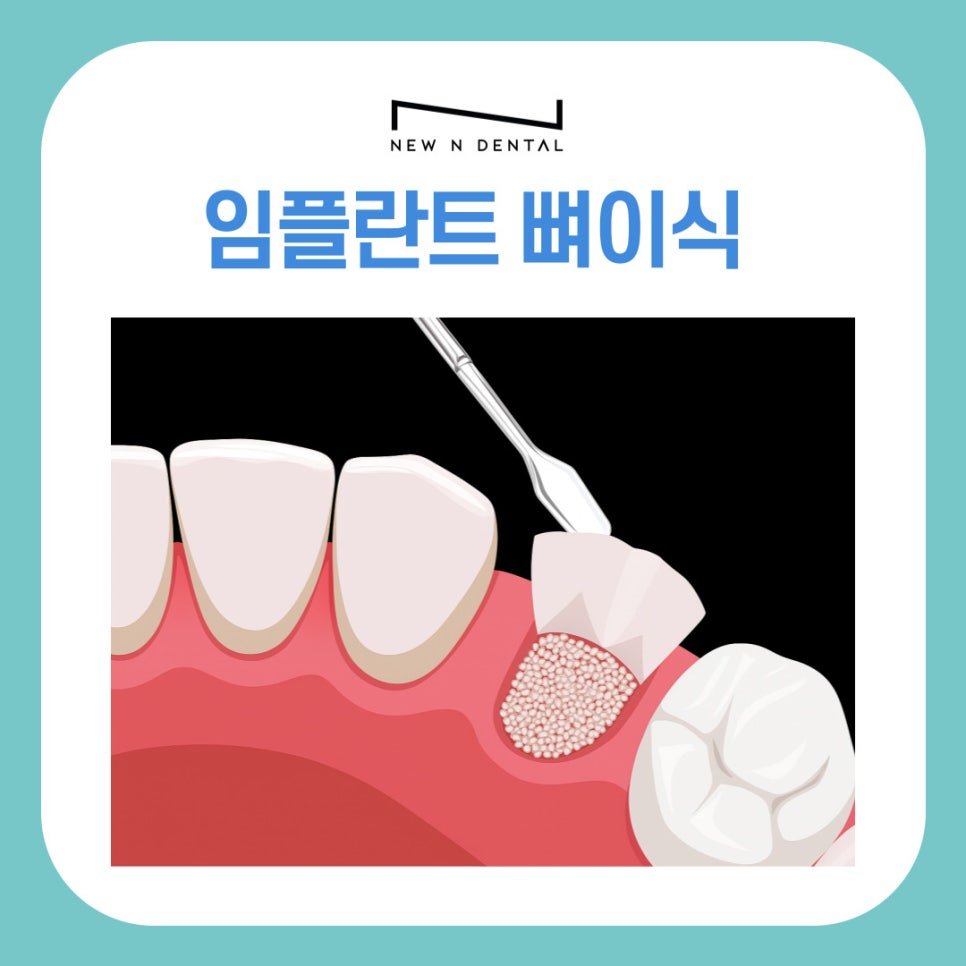
When you are considering treatment after losing a tooth,
you first come across the term bone grafting.
Even though the name itself can feel burdensome,
it is actually an essential preparatory step
for using teeth stably.
If the foundation for securing the root is insufficient,
proceeding as is increases the risk of looseness and
failure, so a procedure to supplement the bone condition
is performed in advance.
The reason bone grafting is needed is relatively simple.
When the empty space left by a missing tooth is left alone
for a long time, or when inflammation repeats,
bone is gradually absorbed.
If a procedure is performed immediately in this state,
the fixation may become insufficient.
So securing enough height and thickness
is the key, and through this,
long-term stability can be expected.
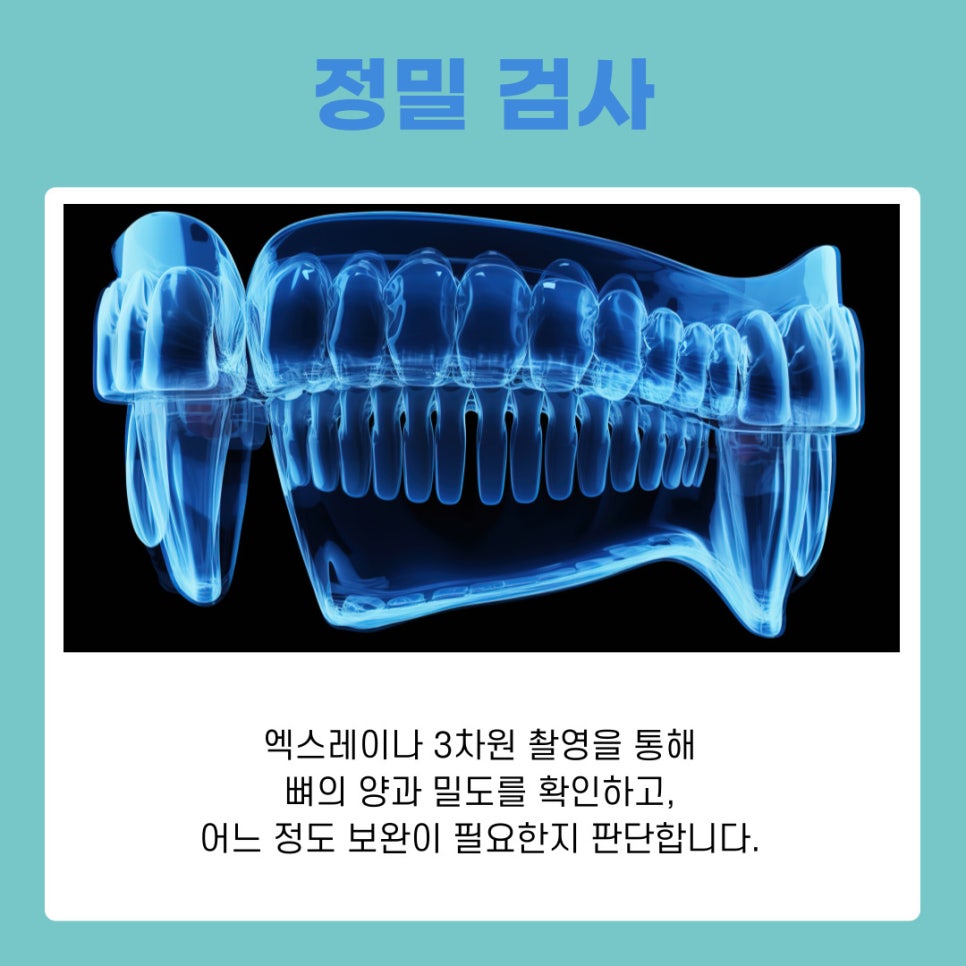
The process starts with a precise examination.
Through X-rays or 3D imaging,
the amount and density of the bone are checked,
and it is determined how much supplementation is needed.
At this stage, an individualized plan is made,
and it is decided whether simple supplementation or extensive reconstruction is needed.
The more accurate this process is, the higher the satisfaction
with the later results.
On the day of surgery, after local anesthesia,
the graft material is placed into the deficient area.
There are several types of graft materials,
such as autogenous bone, allograft, and synthetic materials,
and they are selected according to the situation.

The surgery time is relatively short,
and when performed by experienced medical staff,
the burden is not very great.
Knowing the actual procedure is much more helpful
than vague fear.
One of the parts people worry about most is pain.
In most cases, there is no major discomfort during surgery
because of anesthesia.
Afterward, soreness or swelling may appear for a few days,
but this is a natural recovery response.
If you take the prescribed medication properly
and follow the instructions,
it will not significantly interfere with daily life.

Right after surgery, gum care is very important.
You should avoid excessive brushing and irritating foods,
and if there is bleeding, it is best to maintain pressure.
The better the initial care,
the more help it provides in allowing the grafted bone
to settle stably.
How you spend this period affects the recovery speed.
The recovery period varies greatly from person to person.
In relatively simple cases, the stable stage may be reached
within a few weeks, but when the area is larger,
it may take several months.
During this period, the bone and graft material
naturally integrate,
and it is important to wait until they become sufficiently strong.
Impatience can actually harm the outcome.
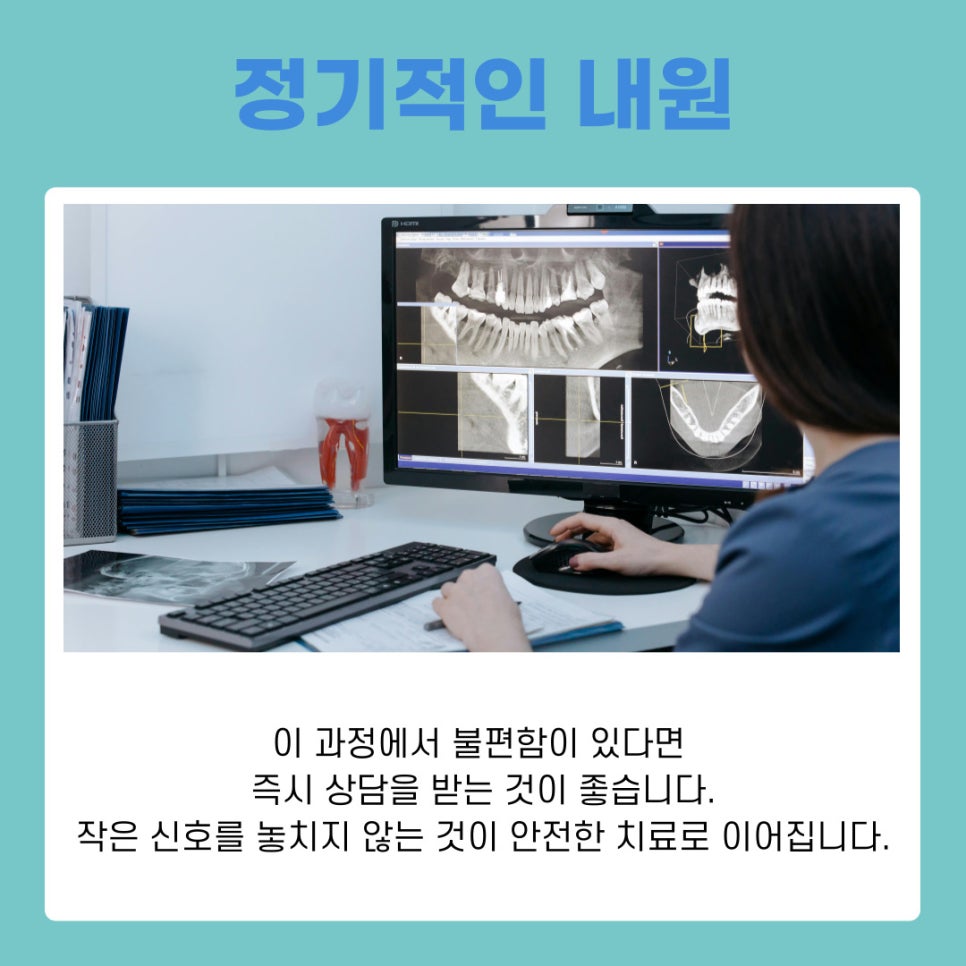
Regular visits are necessary during recovery.
The condition is checked, and the process is repeated
to make sure there are no problems.
If there is any discomfort during this process,
it is best to seek consultation immediately.
Not missing small signs leads to safe treatment.
Lifestyle management also has a major impact on recovery.
Smoking and excessive drinking can delay recovery,
so it is better to avoid them.
Maintaining a soft diet
and postponing strenuous exercise for a while can help.
Even these basic measures make a clear difference in the results.
After the bone grafting is completed and enough stabilization time has passed,
you move on to the next stage.
If the foundation has formed well at this point,
the subsequent process will proceed relatively smoothly.
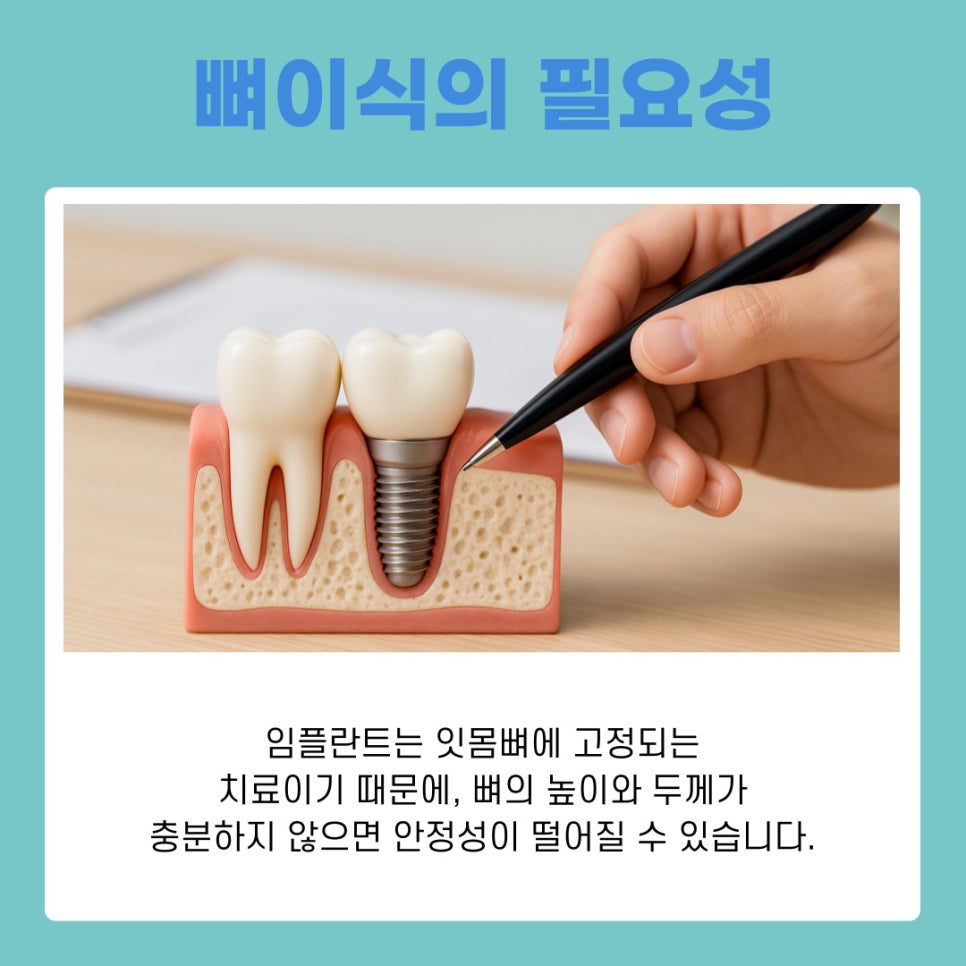
Q. Why is bone grafting needed for implants?
A. Since implants are treatments that are fixed into the jawbone,
if the bone height and thickness are not sufficient,
stability can decrease.
If a long time has passed after tooth loss
or there is a history of inflammation,
bone is often resorbed, so bone grafting is needed
to compensate for this.
In summary, bone grafting is not a complicated or difficult treatment,
but a preparatory step that follows the proper sequence.
Just understanding the flow of examination, planning, surgery,
and recovery can greatly reduce vague worries.
What matters most is listening 충분히 to the explanation
that matches your own condition and making a decision accordingly.
The process and recovery period for implant bone grafting
become clearer than expected once you know them.
If accurate diagnosis and management are carried out together,
stable results can be expected.
Remembering only the key points introduced in this article
will be very helpful when preparing for treatment.