
Precautions After Scaling in Yeoksam-dong, Gangnam
Please Avoid These Actions
| Summary |
|---|
| 1. Scaling is an essential treatment to remove tartar, and sensitivity is only temporary. |
| 2. Alcohol and cigarettes, which interfere with recovery, must be avoided for at least one to two days. |
| 3. To reduce irritation, avoid foods that are too cold or too hot. |
| 4. Brushing is essential for oral hygiene, but use a soft-bristled toothbrush. |
| 5. If bleeding or pain continues, or if you feel heat in the gums, visit the dentist immediately. |
Scaling removes hardened tartar that has built up between the tooth surface and the gums,
and it is one of the most basic yet
essential treatments for maintaining oral health.
Although the procedure is short and not very burdensome,
the speed of gum recovery and the degree of discomfort
can vary depending on how you manage things afterward.
Here is a summary of the answer to the question patients who have finished scaling ask most often:
What should I be careful about afterward?
Causes of discomfort after scaling
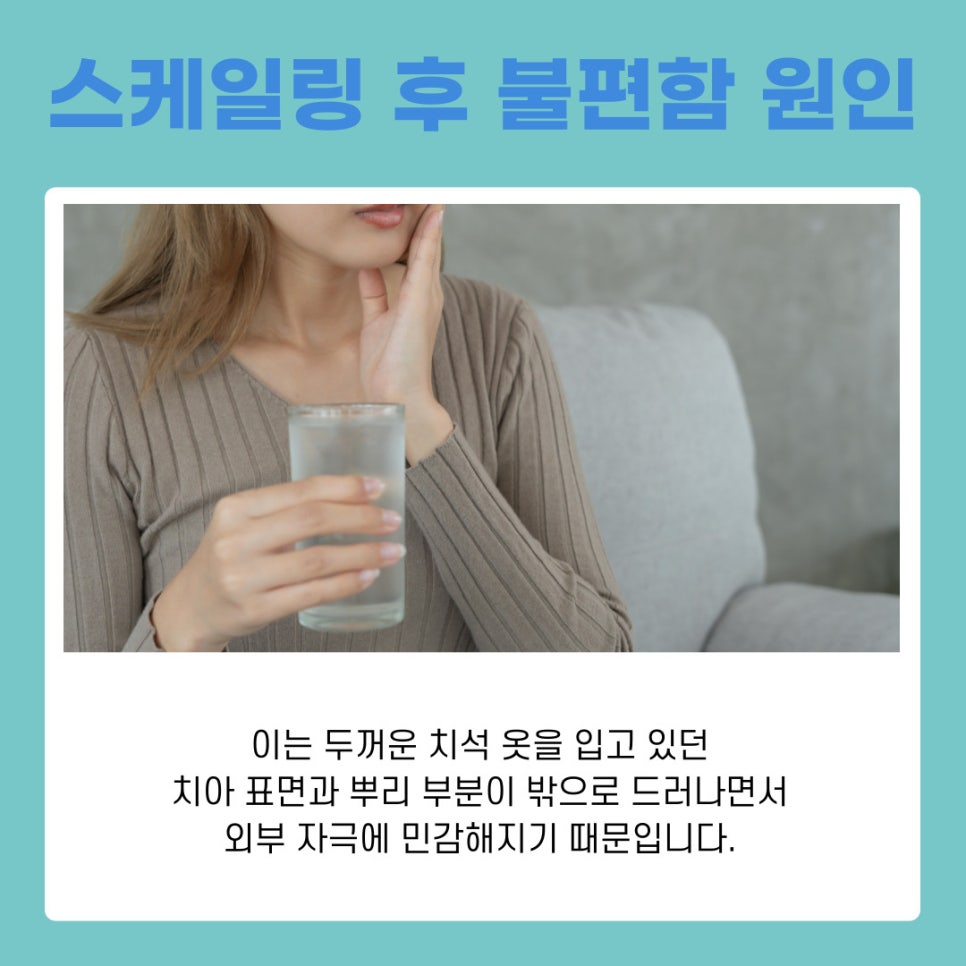
Right after scaling, your teeth may feel more sensitive than usual,
or your gums may ache.
This happens because the tooth surfaces and roots,
which had been covered by a thick layer of tartar,
are exposed and become more sensitive to external刺激.
In most cases, this is only a temporary reaction
that occurs as the teeth adjust,
so there is usually no need to worry too much.
However, if you do things that irritate the gums during this period,
the discomfort may last longer, so caution is needed.
Precautions immediately after the procedure
Since your teeth are in a very sensitive state,
it is best to avoid foods that are too cold or too hot.
Ice-cold drinks and hot soup-based dishes
can make sensitivity feel stronger, so for about a day or two,
it helps to eat lukewarm foods.
The ingredients in alcohol and cigarettes
can irritate the blood vessels in the gums,
causing bleeding or worsening inflammation.
In particular, because they significantly slow recovery,
you must avoid alcohol and smoking for at least one to two days.
How to brush after scaling
Some people ask, “My gums hurt, so can I skip brushing?”
but brushing is essential for oral hygiene.
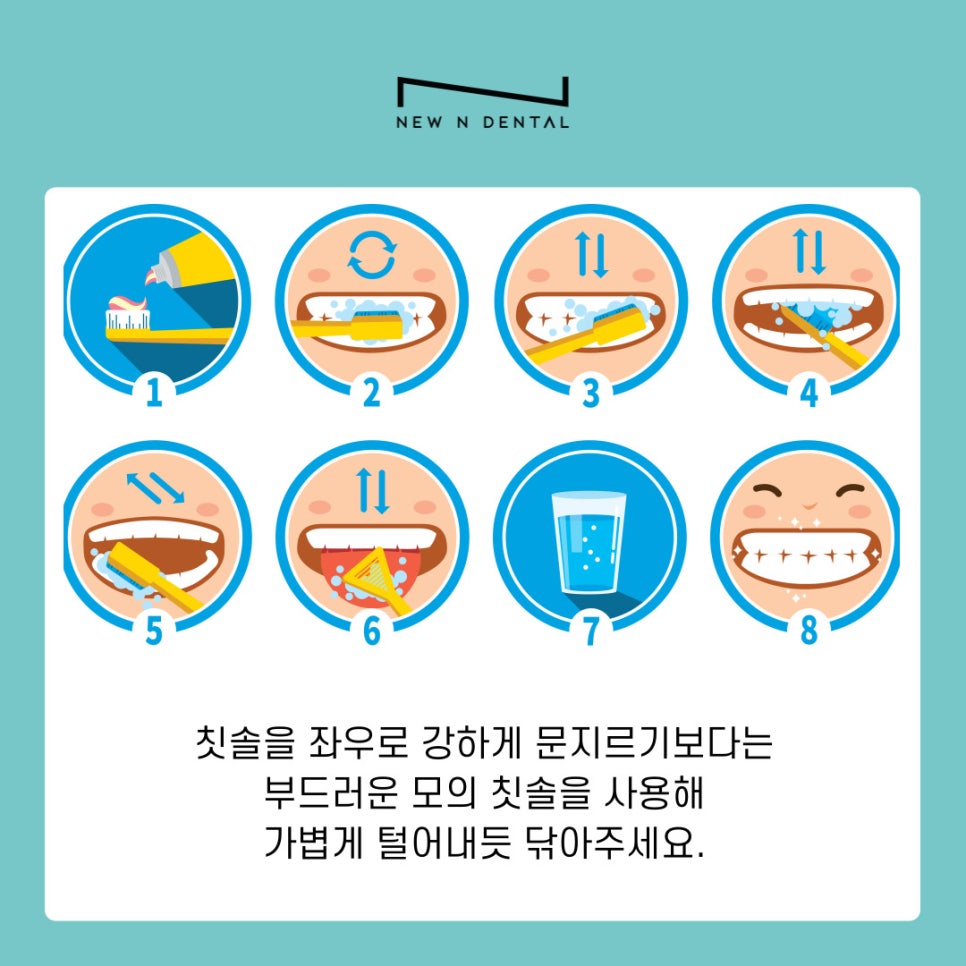
The key is to brush much more gently than usual.
Rather than scrubbing back and forth with force,
use a soft-bristled toothbrush
and brush lightly, as if sweeping away debris.
Floss and interdental brushes can also be used,
but areas that are still bleeding should not be irritated forcefully
until the gums have settled.
What to do if sensitivity continues
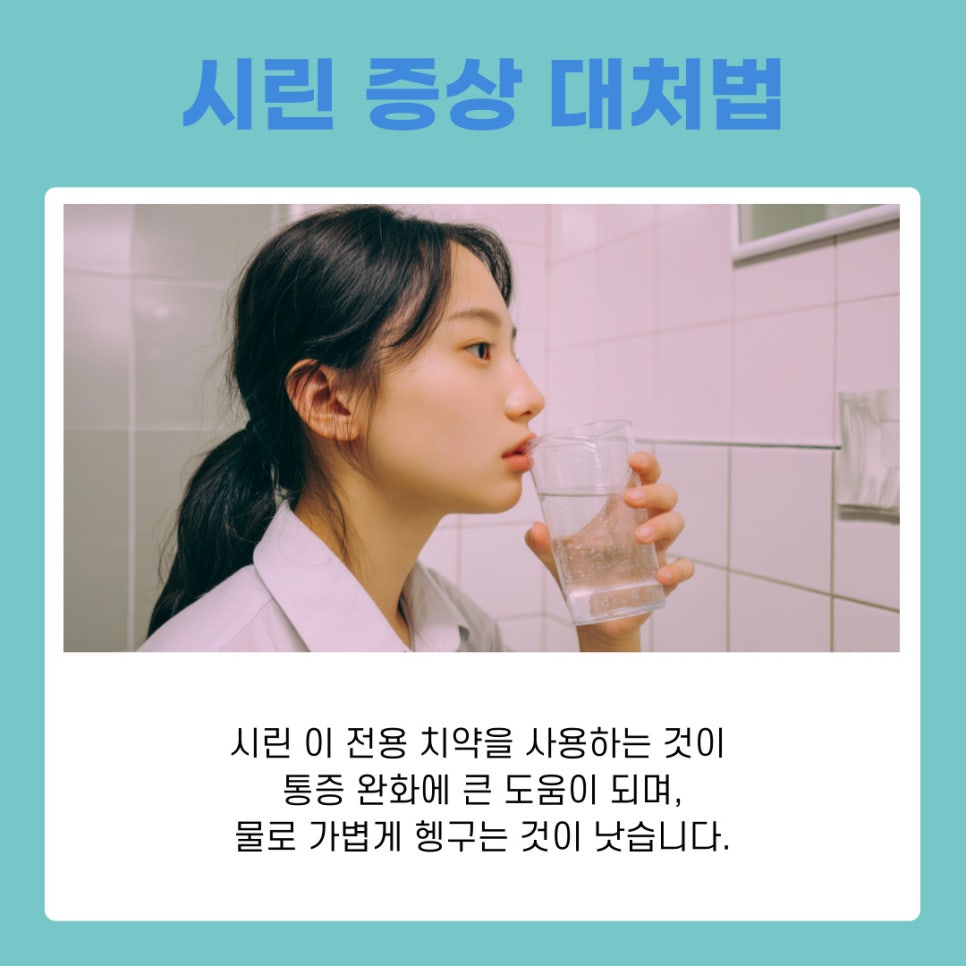
Sensitivity after scaling is very common.
In these cases, using toothpaste designed for sensitive teeth
can be very helpful in relieving pain,
and rather than using a strong mouthwash,
it is better to rinse lightly with water.
In most cases, symptoms improve naturally within 1 to 2 weeks,
but if the discomfort does not decrease at all over time,
it is a good idea to visit the dentist
and have the condition checked.
Precautions when eating
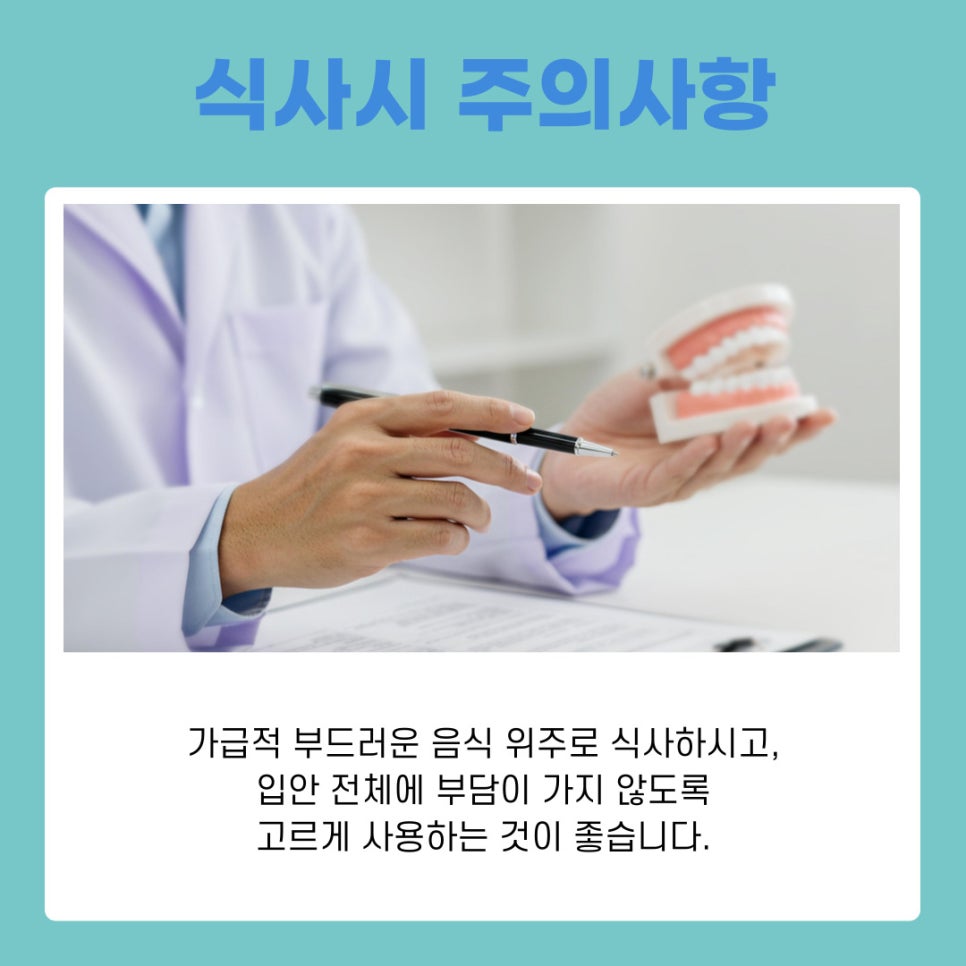
On the day of scaling,
please avoid irritating foods (spicy or salty)
and hard, chewy foods as much as possible.
This is because chewing with strong force
when the gums are sensitive can cause pain
or additional bleeding.
Try to eat mostly soft foods,
and to avoid placing strain on the entire mouth,
don't chew on only one side;
use both sides evenly.
If these symptoms appear
you need to get checked
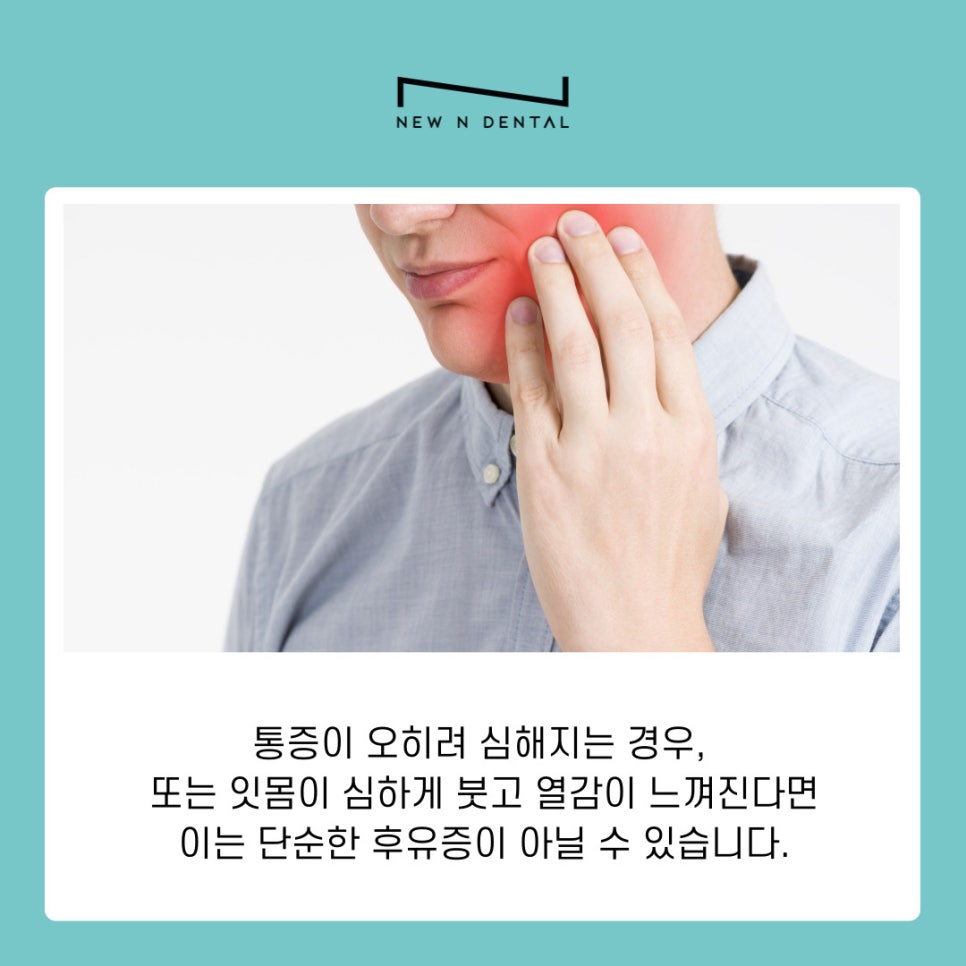
If bleeding does not stop even after several days after scaling,
or if the pain becomes worse,
or if the gums become severely swollen
and feel hot,
these may not simply be temporary aftereffects.
In such cases, do not endure it—visit the clinic right away
so the condition can be checked safely.
Scaling is not something that ends with just one treatment.
It truly shows its value when it is combined
with careful daily care.
The small effort of following the precautions explained today
will help keep your gums healthy until your next scaling.
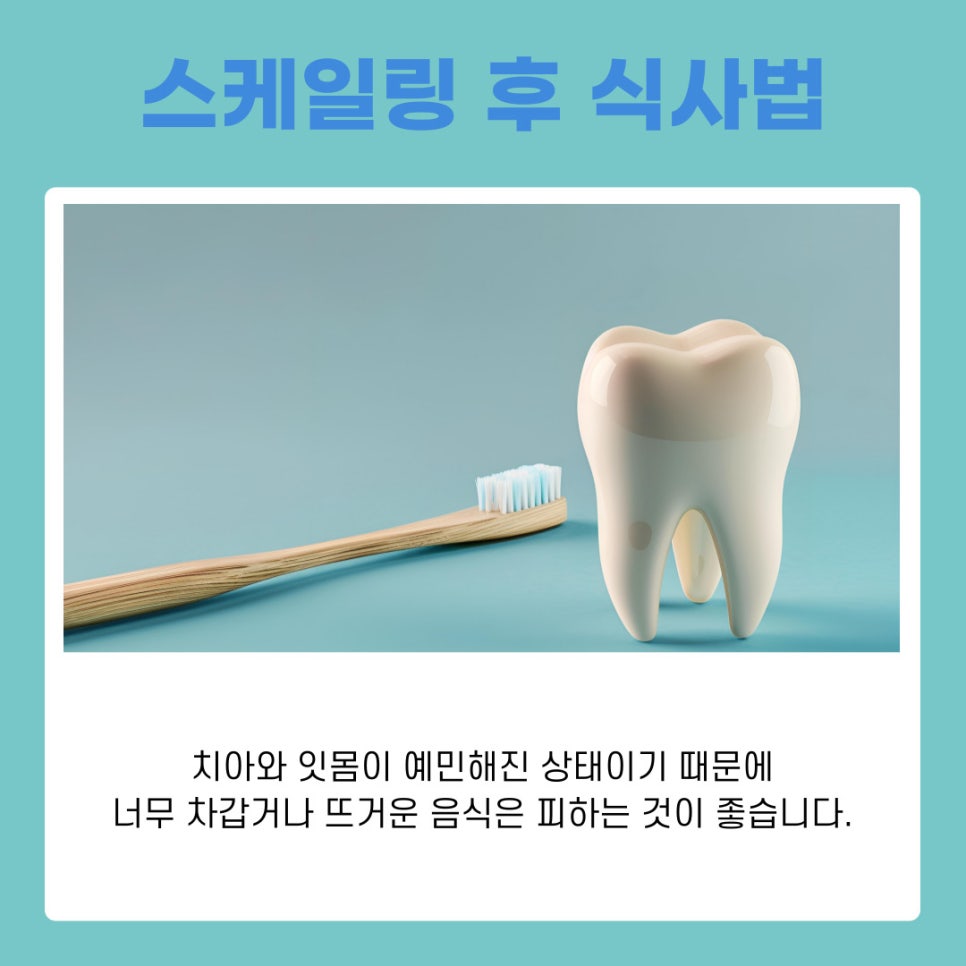
Q. How should I eat after scaling?
A. Because the teeth and gums are in a sensitive state,
it is best to avoid foods that are too cold or too hot.
Irritating foods, as well as hard and chewy foods,
can also burden the gums, so in the early stage,
lukewarm and soft meals are helpful for recovery.