
How Is the Decision Made Whether Tooth Extraction Is Needed for Crooked Tooth Correction?
| Summary |
|---|
| 1. Crooked teeth occur when there is not enough space in the jawbone, causing teeth to overlap; if left untreated, they increase the risk of cavities and gum disease. |
| 2. The causes are a combination of congenital and acquired factors, such as genetic influences, early loss of baby teeth, and mouth breathing. |
| 3. In orthodontic treatment, whether extraction is needed is determined by a detailed analysis of the degree of tooth crowding and lip protrusion, leading to either non-extraction or extraction treatment. |
| 4. Treatment usually takes one to two years or more depending on the condition, and it considers not only simple alignment improvement but also bite and temporomandibular joint function. |
| 5. After orthodontic treatment, retainers must be worn consistently and regular checkups should be received to prevent teeth from shifting back. |
People who are considering treatment for crooked teeth
often say similar things.
A canine looks protruded when they smile,
it is hard to brush because the teeth overlap,
and in photos, the uneven alignment
is something they worry about.
Crooked teeth are not just an aesthetic issue.
As areas that the toothbrush cannot reach well appear,
the risk of cavities and gum disease increases,
and in the long term, it can even lead to bite imbalance,
so treatment is often necessary.
Crooked Teeth Correction

This is a treatment that straightens teeth
that have moved out of position and overlapped
into a normal alignment.
Most crooked teeth occur because there is not enough space
for teeth to erupt, and when the jawbone is small compared to the size of the teeth,
or the dental arch is narrow, the teeth are pushed together
and erupt in an overlapped position.
In particular, canines erupt late,
so it is common for them to push their way out
between teeth that have already taken up space
and settle in a crooked position.
Causes of Crooked Teeth

They can broadly be divided into
congenital and acquired factors.
If the jawbone is small from birth or the teeth are large,
space shortages are more likely to occur, and many people inherit
the skeletal structure and tooth characteristics of their parents.
Acquired factors may include baby teeth falling out too early,
or conversely, remaining for too long, mouth-breathing habits,
and imbalanced jaw growth.
These factors combine to
form crooked teeth.
Non-Extraction Orthodontics
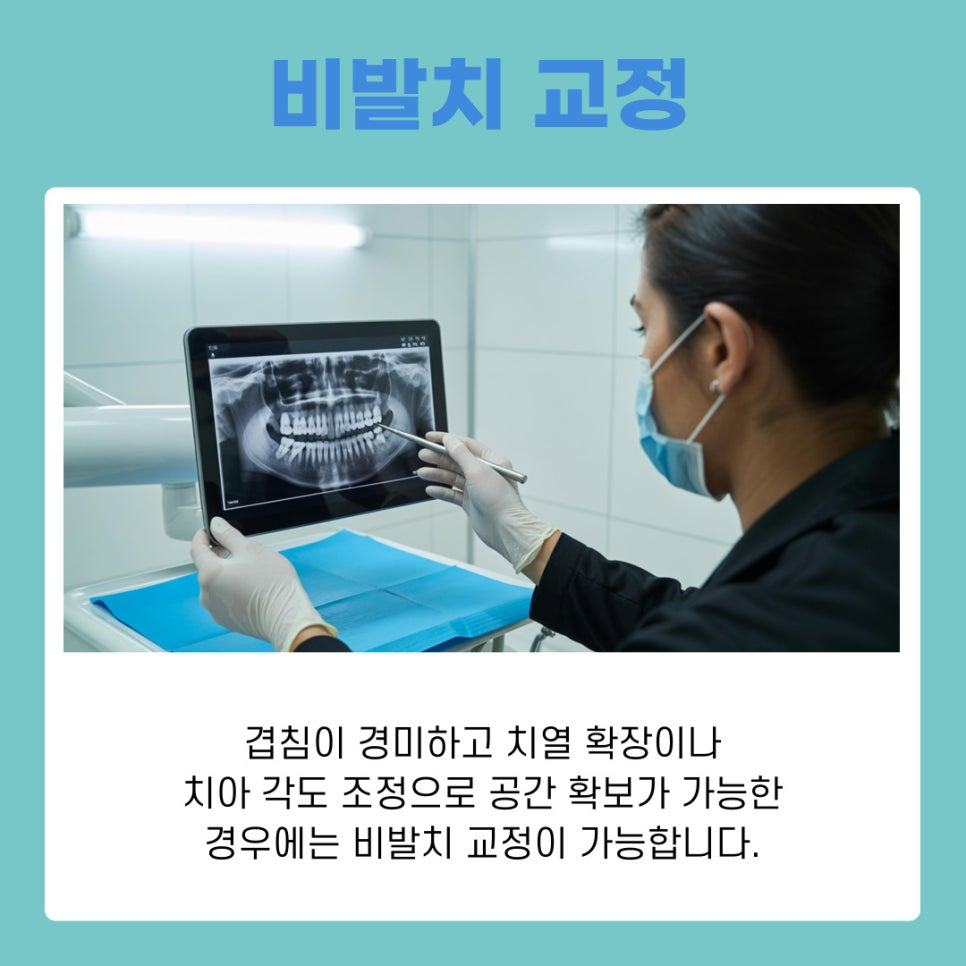
Not all crooked tooth correction requires extraction.
Whether extraction is needed is decided by comprehensively analyzing
the degree of crowding, the width of the dental arch,
the degree of lip protrusion, and the bite condition.
If the crowding is mild and space can be secured through
dental arch expansion or adjustment of tooth angulation,
non-extraction orthodontic treatment is possible.
Extraction Orthodontics
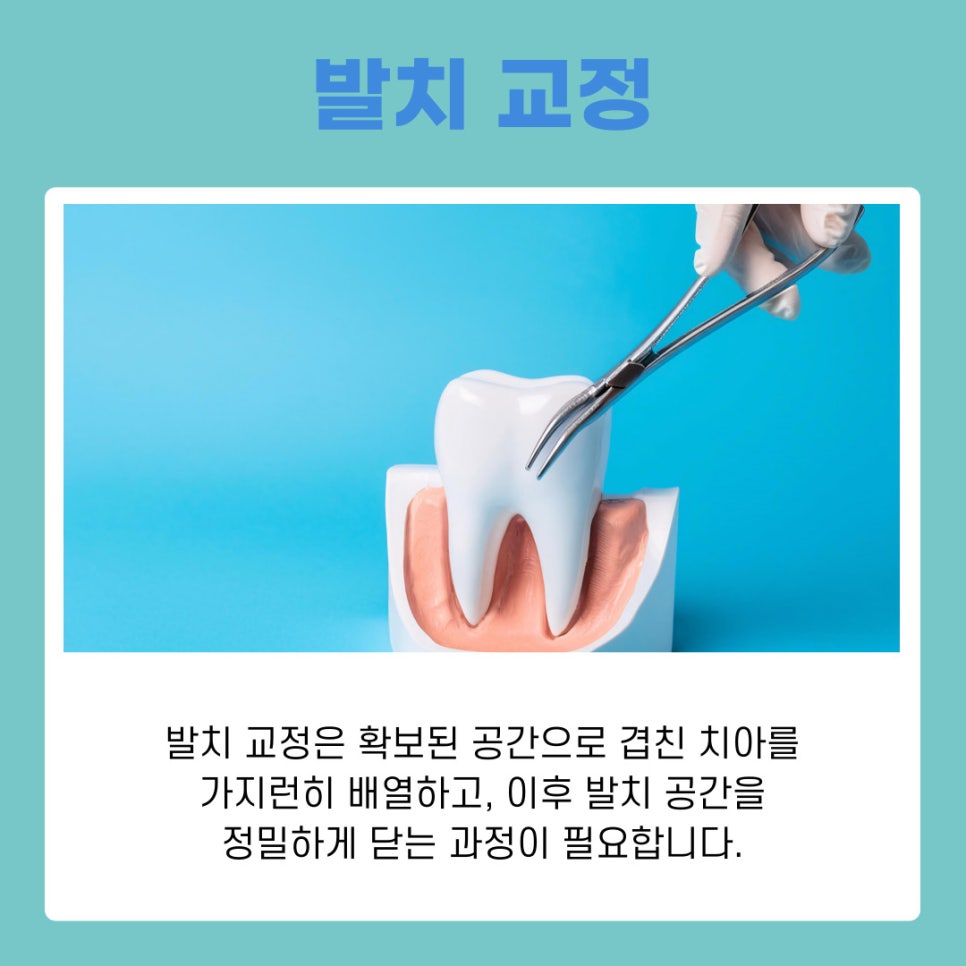
On the other hand, when space is significantly lacking and the teeth
need to be moved back sufficiently, creating space through
premolar extraction can lead to more stable results.
This is carried out by expanding the dental arch or making fine movements of the teeth
to create space.
Methods such as slight reshaping between teeth or moving the molars
backward may also be used together.
Extraction orthodontics involves arranging the crowded teeth neatly
using the secured space, and then precisely closing
the extraction spaces.
Treatment Period for Crooked Teeth Correction
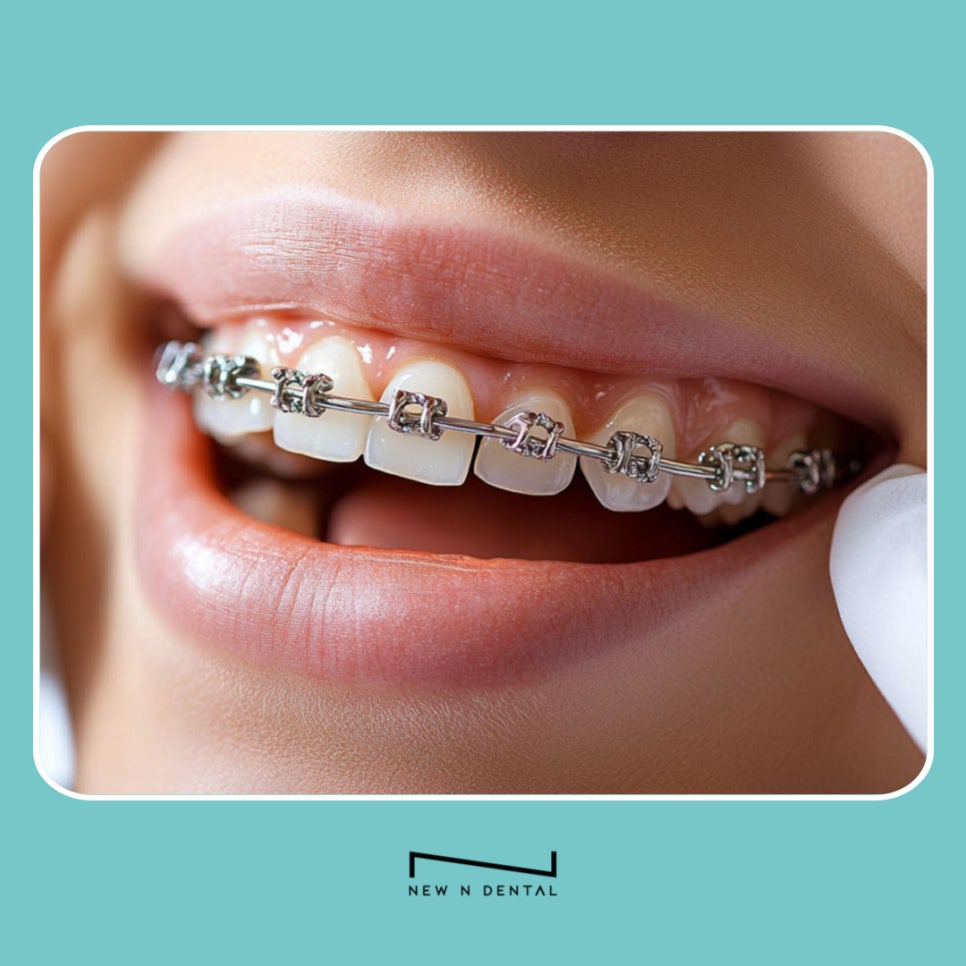
If the overlap is relatively mild, treatment may be completed in about
one year to one and a half years.
If extraction is involved or bite problems also need to be corrected,
treatment may take more than two years.
The treatment period and management method can also vary depending on the type
of orthodontic appliance. There are various options,
such as metal brackets, ceramic appliances, and clear aligners,
but the choice should be made based on the location of the crooked teeth
and the range of movement required.
The way the upper and lower teeth fit together, the function of the jaw joint,
and even the side profile of the face and the lip line
must all be considered.
If teeth are pushed too aggressively, the gums may become thinner
or the risk of relapse may increase, so it is important to accurately define
the movable range through a precise diagnosis.
Retention Appliance
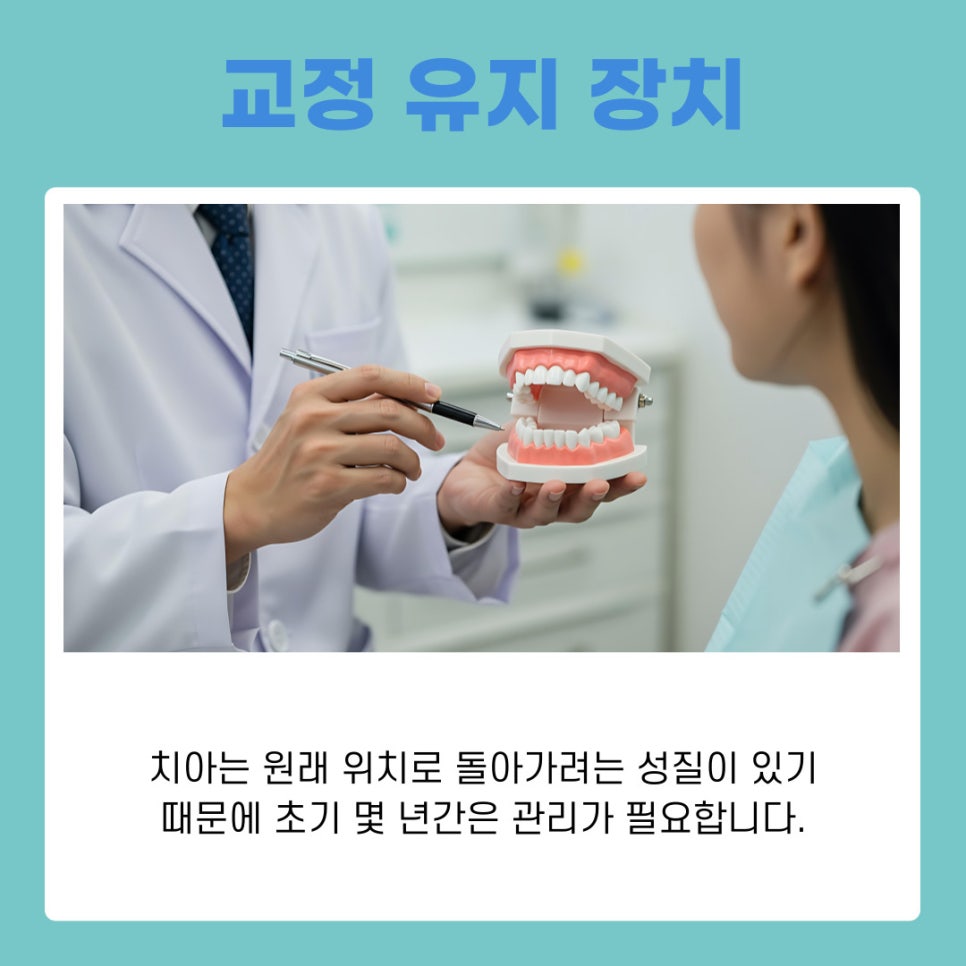
After orthodontic treatment is finished,
wearing a retainer is essential.
Because teeth have a tendency to return to their original position,
management is needed for the first few years.
Crooked tooth correction is not only an aesthetic improvement,
but also a treatment for oral health.
If brushing becomes easier and caring for the spaces between teeth becomes simpler,
it can also help prevent cavities and gum disease.
Rather than delaying treatment because of a vague fear of extraction
or the burden of cost,
it is better to first receive an accurate diagnosis of your current condition and find the treatment direction
that is right for you.
Since tooth alignment affects you for a long time once it is corrected,
it is advisable to make a careful decision through 충분한 consultation and planning.
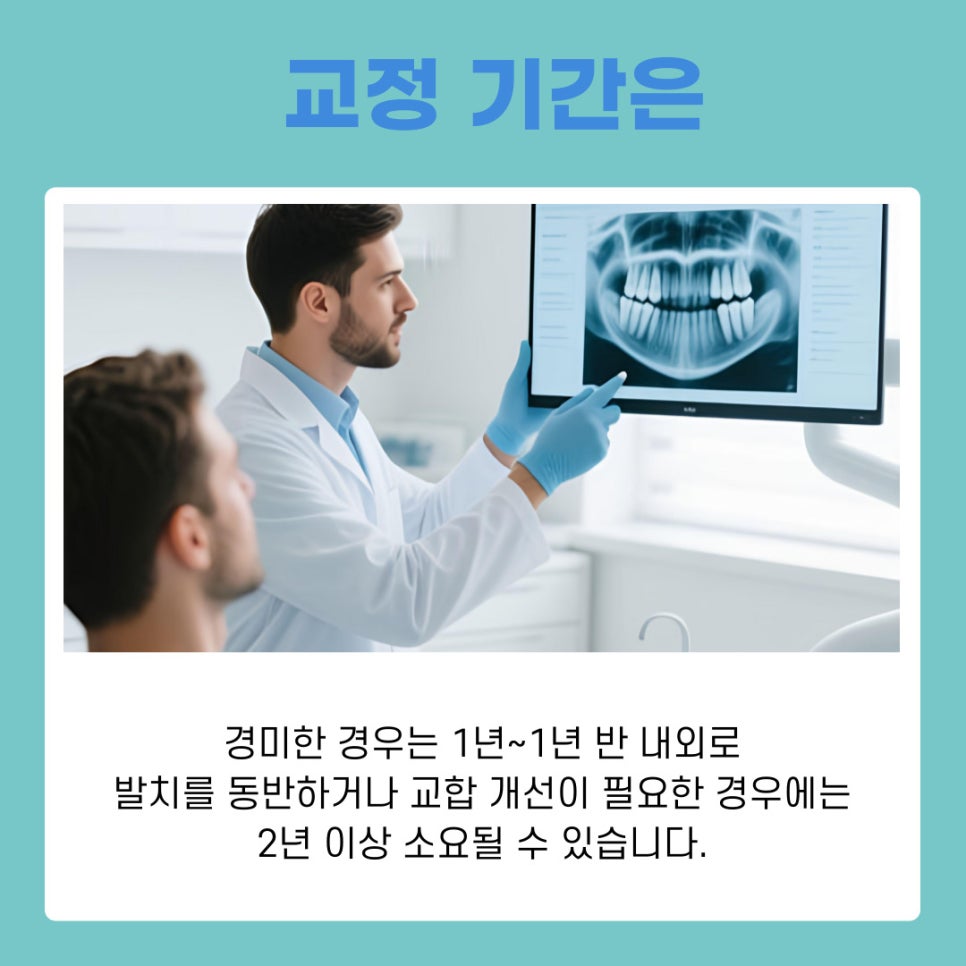
Q. How long does orthodontic treatment take?
A. The answer varies greatly depending on the degree of crooked teeth.
In relatively mild cases, treatment may be completed in about one to one and a half years, but if extraction is involved
or bite improvement is needed, it may take more than two years.
The management method can vary depending on the type of appliance,
but the treatment period is determined by the range of tooth movement and the speed of biological response.