From the causes of toothache to prevention, the throbbing
pain—don’t endure it, deal with it
| Summary |
|---|
| 1. The causes of toothache are very diverse, ranging from simple cavities to nerve inflammation (pulpitis), gum disease, and cracked teeth. |
| 2. Main symptoms include sensitivity to temperature, spontaneous pain even at rest, and pain felt when chewing. |
| 3. Cold compresses and saltwater gargling can help as first aid, but these only provide temporary relief and are not a fundamental treatment. |
| 4. Depending on the condition, treatment options include resin fillings, root canal treatment, scaling, and in severe cases, implants. |
| 5. The best prevention is proper brushing habits and regular scaling once a year, which is covered by health insurance. |

A sudden unwelcome guest—why does toothache happen?
Toothache comes without warning
and can disrupt your daily life.
Especially when the pain gets worse at night or on weekends,
it can be confusing. Toothache is caused not only by
problems with the tooth itself, but also by the gums,
the tooth-supporting structures, and even jaw joint problems,
with several factors acting together. In the early stages,
it may start as a sharp twinge when eating sweets or
sensitivity to cold water, but if left untreated, the inflammation deepens
and leads to severe throbbing pain even at rest.
In particular, if the gums are swollen or there is
discomfort when pressed, there is a high chance that
the problem is not just simple irritation but ongoing internal inflammation.
Pain patterns by cause
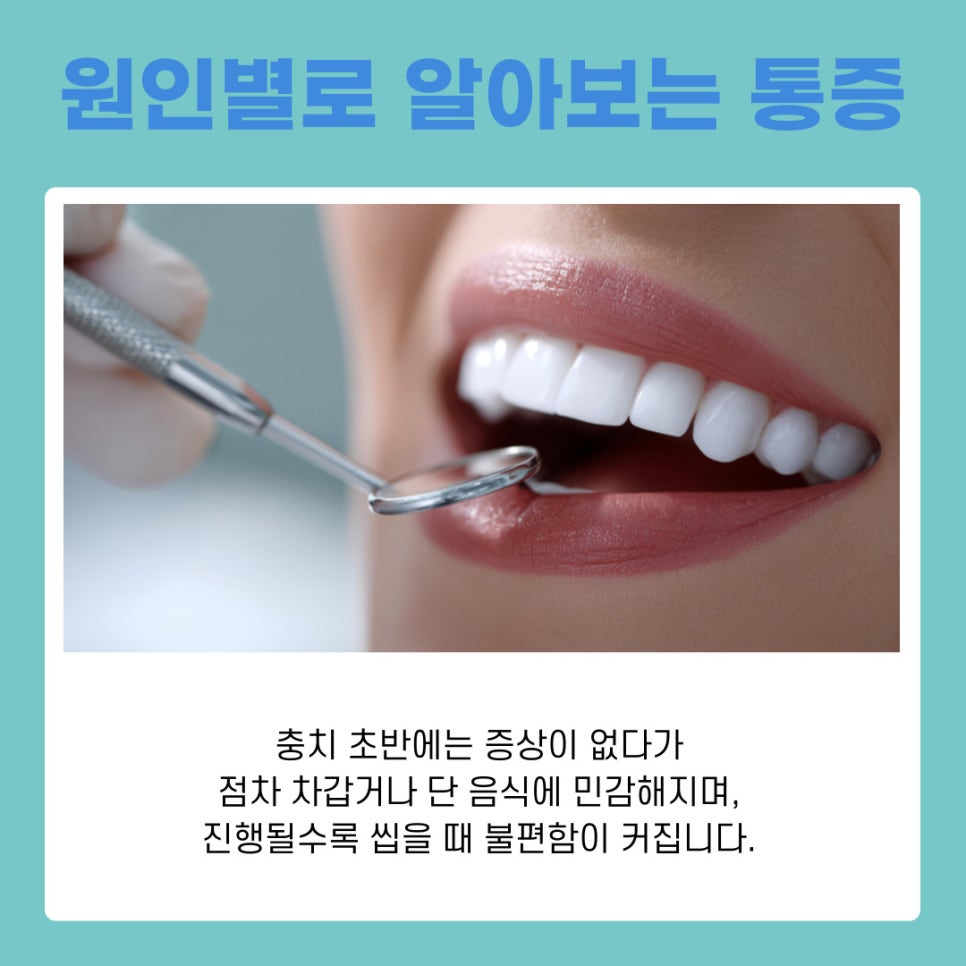
Cavities (tooth decay)
There are often no symptoms at first,
but sensitivity to cold or sweet foods gradually develops,
and as it progresses, discomfort when chewing increases.
Pulpitis (nerve inflammation)
Pain continues even without external stimulation,
and it tends to get worse at night, especially when lying down,
as blood pressure shifts toward the head.
Periodontal disease (gum disease)
Swelling and bleeding of the gums are accompanied,
and you may feel as if the tooth is floating.
Cracked tooth
If there is a tiny crack in the tooth,
an unexpectedly sharp pain can occur when chewing food
at a certain angle.
Wisdom tooth pain
If food gets stuck around a wisdom tooth and causes inflammation,
you may feel throbbing pain along with a sense of pressure
deep in the gums.
Before going to the dentist,
first-aid measures you can do at home
Minimize irritation
Do not chew on the painful side,
and avoid foods that are too hot or too cold.
Cold compress
Applying a cold compress to the outside of the face,
on the cheek area, for about 10 to 15 minutes
can help reduce swelling and pain. However, applying ice
directly to the tooth is not allowed.
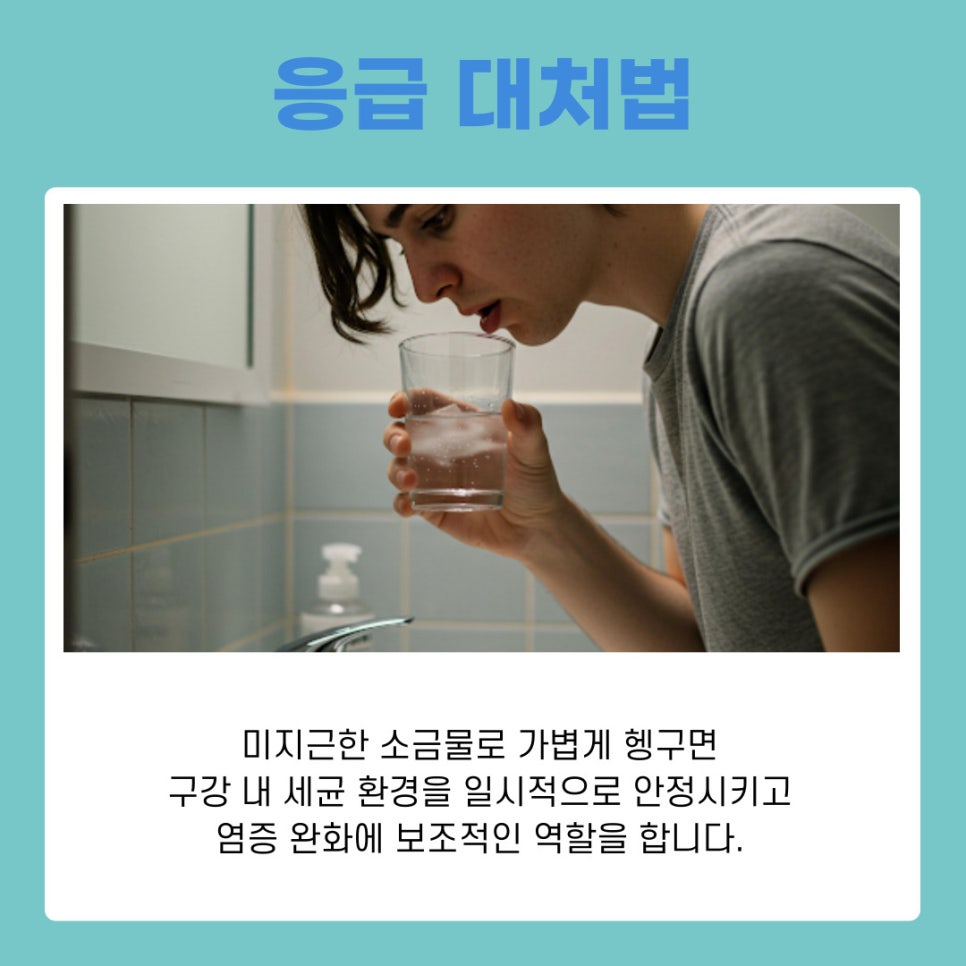
Maintain oral cleanliness
Rinsing lightly with lukewarm saltwater can
temporarily stabilize the oral bacterial environment
and play a supporting role in reducing inflammation.
Take pain relievers
Over-the-counter anti-inflammatory pain relievers
can provide temporary help.
Be sure to follow the stated dosage instructions, and
it is best to take them after meals to reduce stomach irritation.
Treatment and diagnosis that
address toothache at the root
Just because the pain has lessened after first aid
does not mean the problem has been cured.
At the dentist, the cause is identified accurately through
X-rays or 3D CT scans.
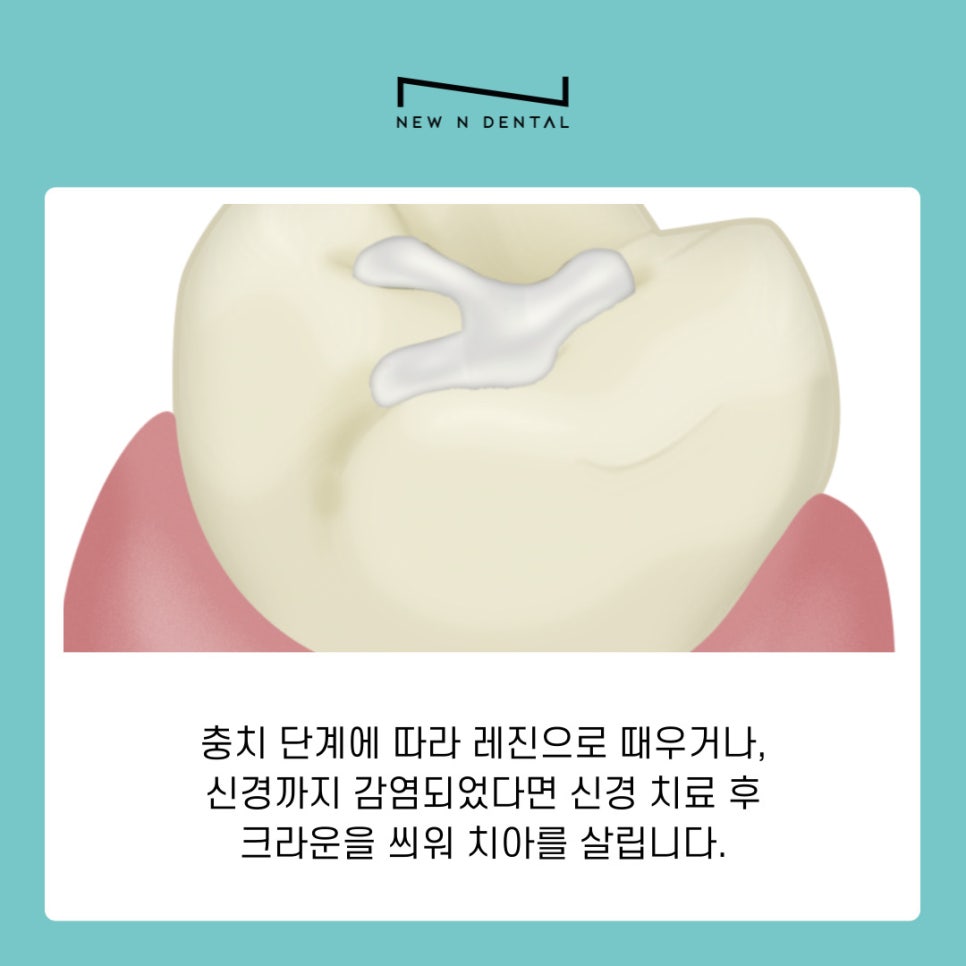
Conservative and root canal treatment
Depending on the stage of the cavity, the tooth may be filled with resin,
or if the infection has reached the nerve, root canal treatment
is performed and a crown is placed to save the tooth.
Periodontal treatment
If gum inflammation is the cause, scaling or
root planing is used to remove tartar and
inflamed tissue.
Extraction and implants
If alveolar bone (gum bone) resorption is severe and the tooth becomes loose,
or if the damage is irreversible, extraction is followed by
consideration of an implant.
Even people in their 20s can end up needing implants
due to trauma or severe cavities.
The easiest way to protect your precious teeth
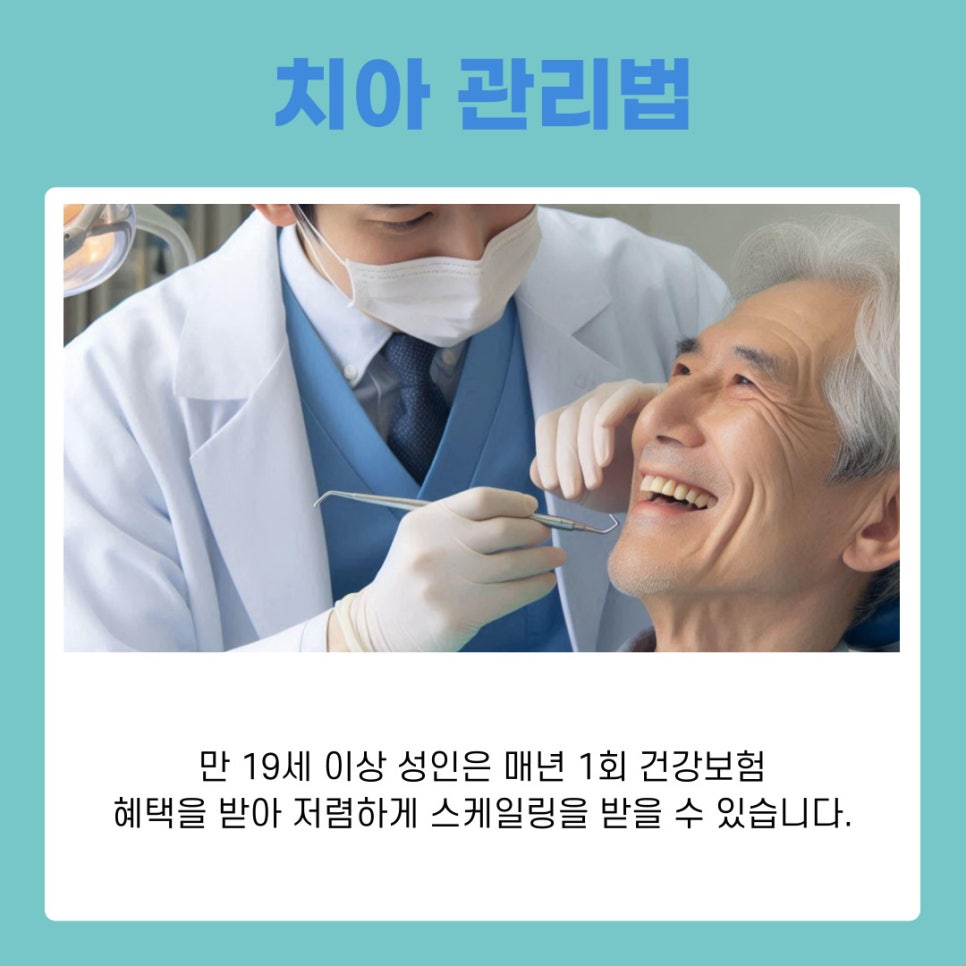
PreventionThe key to preventing toothache is regular care.
Adults aged 19 and older can receive scaling once a year
with health insurance benefits.
This is the most basic preventive measure for removing tartar and preventing gum inflammation.
Proper hygiene habits: Brush thoroughly at least twice a day
and make flossing a daily habit to prevent bacteria from multiplying.
Regular checkups
Even if there is no obvious pain,
having a checkup every 6 months to 1 year can help
detect problems early and prevent them from turning into
more serious treatment.
Q. I received insurance-covered scaling once a year,
but can it still be covered again?
A. Scaling for simple preventive purposes is
covered by insurance only once a year.
However, if gum disease has already progressed and
scaling or periodontal treatment is performed for treatment purposes,
it may be classified under a different category from general preventive scaling,
and additional insurance benefits may be available.