Gangnam Nonhyeon-dong Dental Clinic Implant Loosening
Summary of Causes and Retreatment Possibility
| Summary |
|---|
| 1. Implant loss is divided into cases where the prosthesis (crown) separates and cases where the root (fixture) itself comes out. |
| 2. Simple prosthesis loss is caused by screw loosening or aging adhesive, and it can often be resecured without reoperation. |
| 3. If the fixture is loose, the main cause is bone loss due to peri-implantitis, and reinsertion may be necessary. |
| 4. Smoking, diabetes, and teeth-grinding habits interfere with early osseointegration and continuously apply stress, increasing the risk of loss. |
| 5. If a problem occurs, do not try to put it back in yourself; visit the clinic immediately, and the key is to prevent inflammation early through regular checkups. |
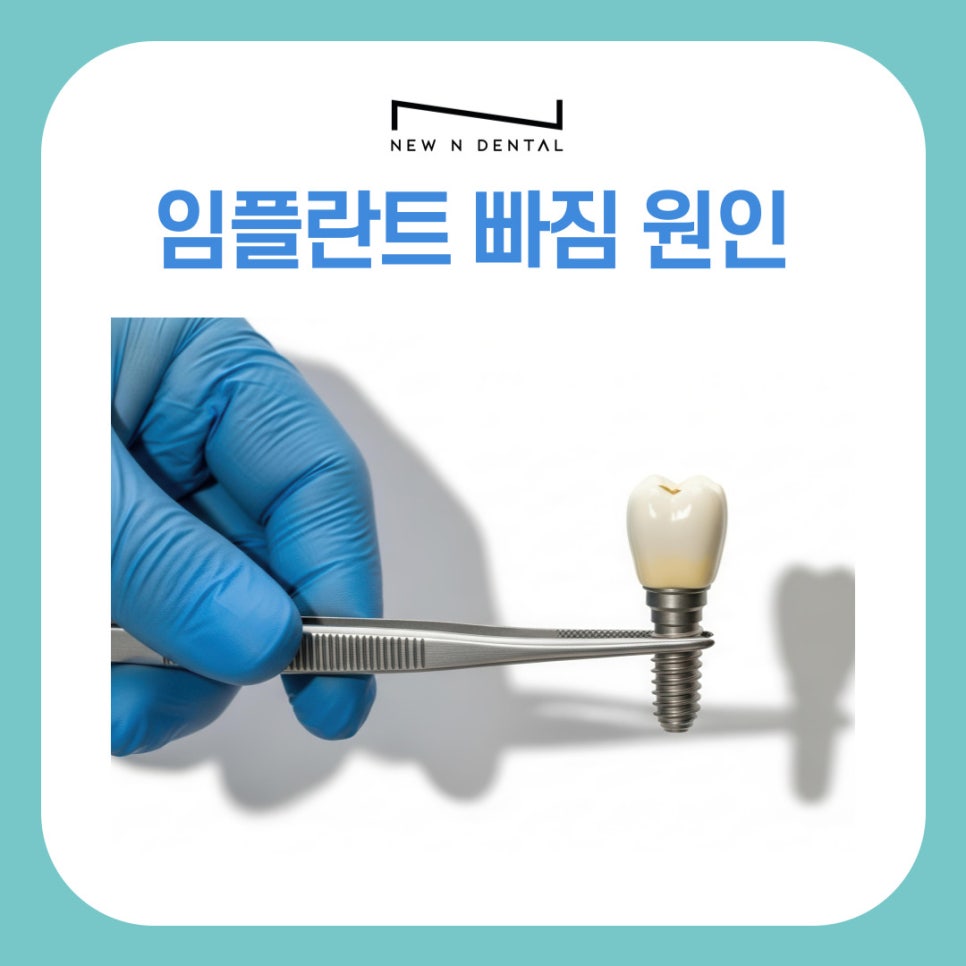
After undergoing implant treatment, if you use it without any problems for several years and then suddenly experience it becoming loose or coming out one day, anyone would be startled.
Especially for those who received treatment near Gangnam Nonhyeon-dong Dental Clinic or currently live nearby, the first thought may be, Is this a reoperation situation? Was something wrong from the start?
However, not all cases of implant loss have the same cause or require the same treatment.
Implant loss
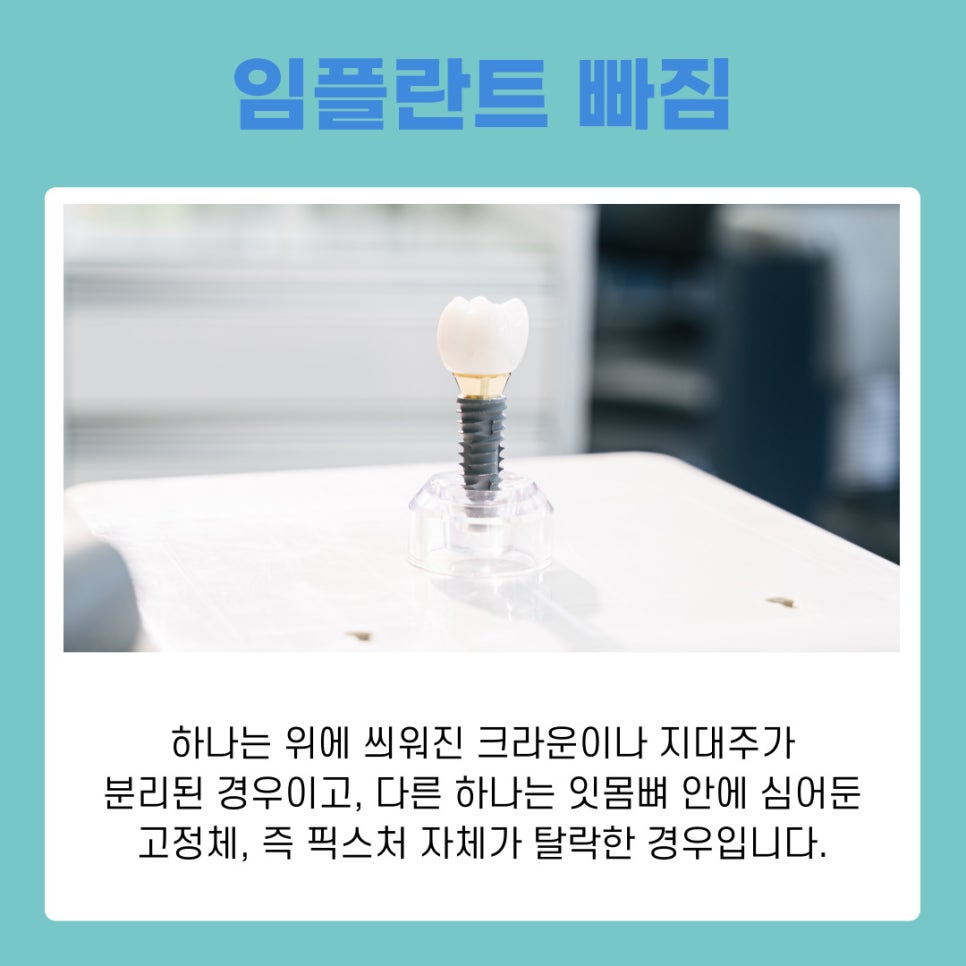
It can be broadly divided into two types.
One is when the crown or abutment on top has detached, and the other is when the fixture, the fixed body embedded in the jawbone, has become loose or has come out.
Although the expression that it has come out is the same on the surface, the actual meaning is completely different.
If the crown has come off, it is relatively likely to be a simple problem.
The adhesive that held the prosthesis in place may have weakened, the screw may have loosened, or repeated excessive force may have been applied due to an uneven bite.
In such cases, if the implant root itself is stable, it is often resolved by re-fixing it without reoperation or by making a new prosthesis.
However, if it is left detached for a long time, food can get inside and cause inflammation, so a prompt visit is necessary.
Causes of implant loss
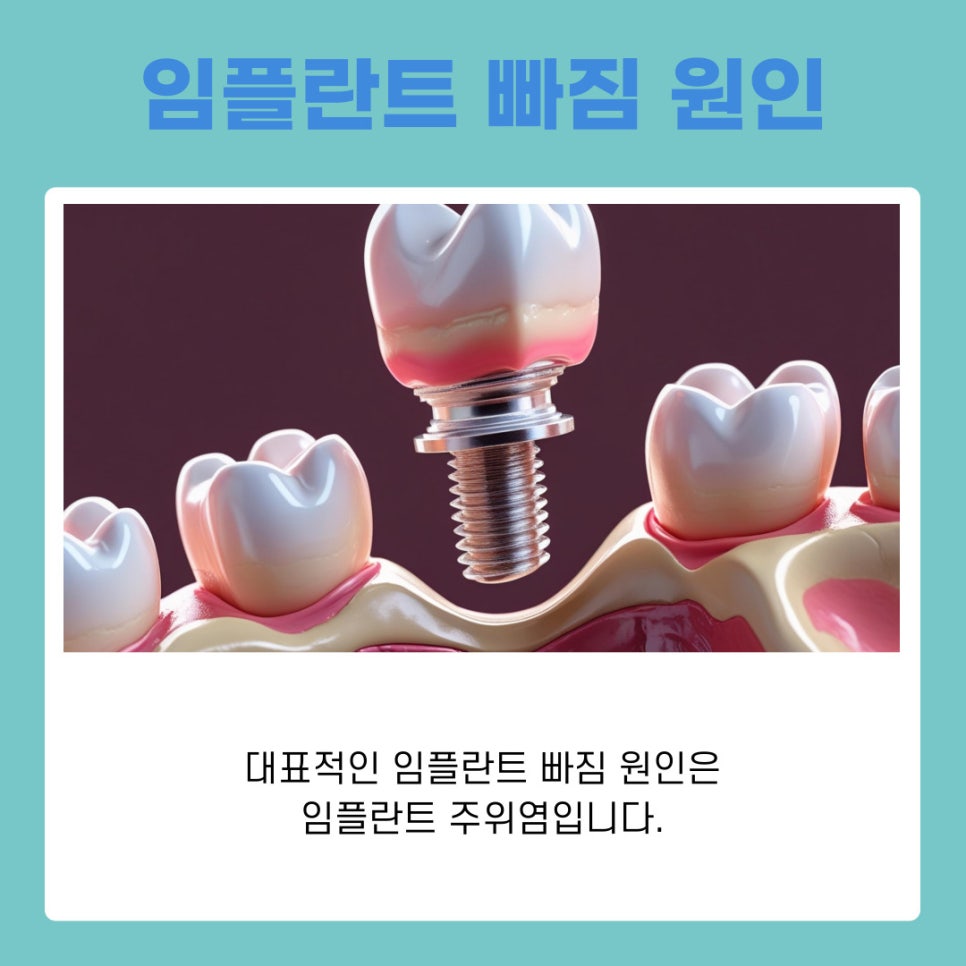
On the other hand, if the fixture is loose or actually comes out, the situation is a little different.
A representative cause of implant loss is peri-implantitis.
This is similar to periodontitis in natural teeth, but it is a disease in which the gums and bone around the artificial root are damaged together.
If oral hygiene management is insufficient or regular checkups are not received, bacteria can accumulate, inflammation can progress, and eventually it can lead to bone resorption.
As the bone decreases, the fixation strength weakens, increasing the risk of loss.
Failed osseointegration
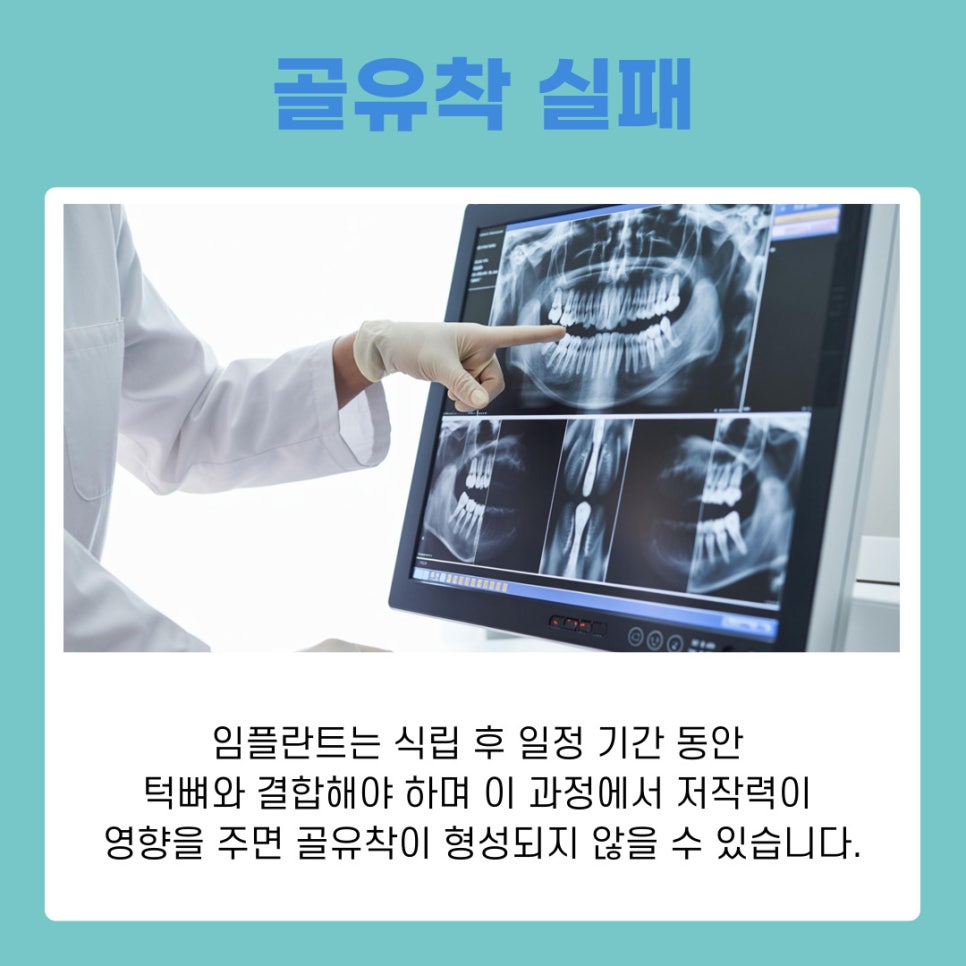
After placement, an implant must firmly bond with the jawbone over a certain period of time.
If smoking, poor diabetes control, or excessive chewing force affect this process, osseointegration may not form properly.
In such cases, implant loss may appear relatively early after surgery.
Bite problems should not be overlooked either.
If the force of the upper and lower teeth coming together is concentrated on a specific area, continuous microshock is transmitted to the bone.
In particular, in cases with teeth-grinding or clenching habits, damage may slowly progress internally even if everything looks fine on the outside.
Especially in business districts with many office workers, such as Gangnam Nonhyeon-dong Dental Clinic, there are not a few patients with stress-related teeth grinding, so bite checks are important.
How to respond to implant loss
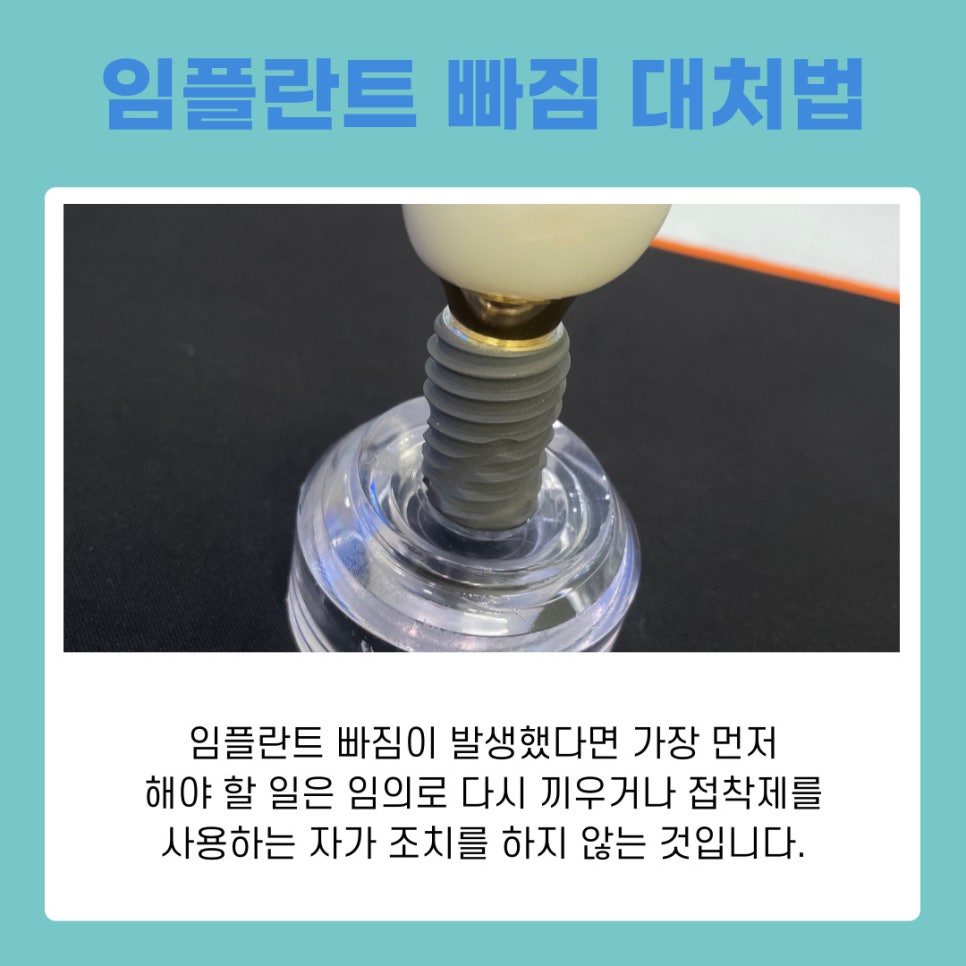
If implant loss occurs, the first thing to do is not to attempt any self-treatment such as putting it back in or using adhesive.
Forcing it can increase the risk of gum damage and infection.
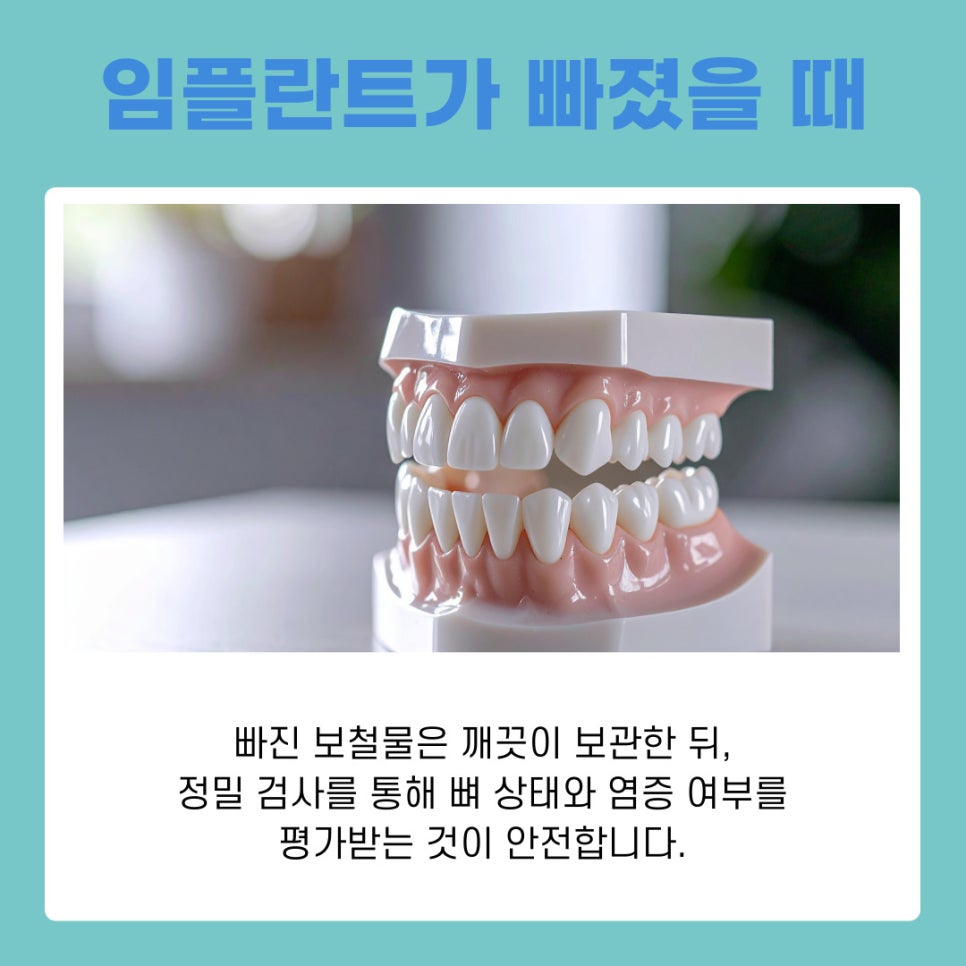
Store the detached prosthesis cleanly, and visit the dental clinic as soon as possible for a detailed examination.
Through 3D CT imaging, the amount of remaining bone and the extent of inflammation are checked, and whether reinsertion is possible is determined.
Possibility of retreatment
If bone loss is mild, reinsertion may be possible in the same location,
but if a lot of bone has been resorbed due to inflammation, bone grafting must come first.
In this case, the treatment period may become longer, and the recovery process also varies greatly from person to person.
Therefore, early response is more important than anything else.
For prevention, regular checkups are key, and the absence of pain does not mean there is no problem.
Because implants have no nerves, symptoms of abnormalities appear late even when something is wrong.
You should check the condition every 6 months to 1 year and carefully care for the area using interdental brushes or dental floss. In particular, the area around implants easily traps food due to its structure, so meticulous care is necessary.
Q. When an implant comes out,
can I put it back in myself?
A. It is absolutely not recommended.
If you try to put it back in yourself or use adhesive, the risk of gum damage and infection may increase.
Store the detached prosthesis cleanly, then visit the dental clinic as quickly as possible and undergo a detailed examination such as 3D CT to evaluate the bone condition and whether inflammation is present.