Sinsa-dong Orthodontic Clinic Clear Aligners
Checklist You Need to Know Before Starting
| Summary |
|---|
| 1. A treatment that restores the balance and function of the alveolar bone, bite, and overall oral structure |
| 2. Because the appliance is not noticeable, it is aesthetically pleasing and removable, causing less inconvenience in daily life |
| 3. For safety, a process of checking the condition of the gums and bone and the location of nerves through 3D CT, etc. should come first |
| 4. Wearing a retainer is essential to prevent relapse, where the teeth try to return to their original position after orthodontic treatment. |
| 5. Regular scaling and checkups should accompany treatment to maintain orthodontic results in a healthy way |
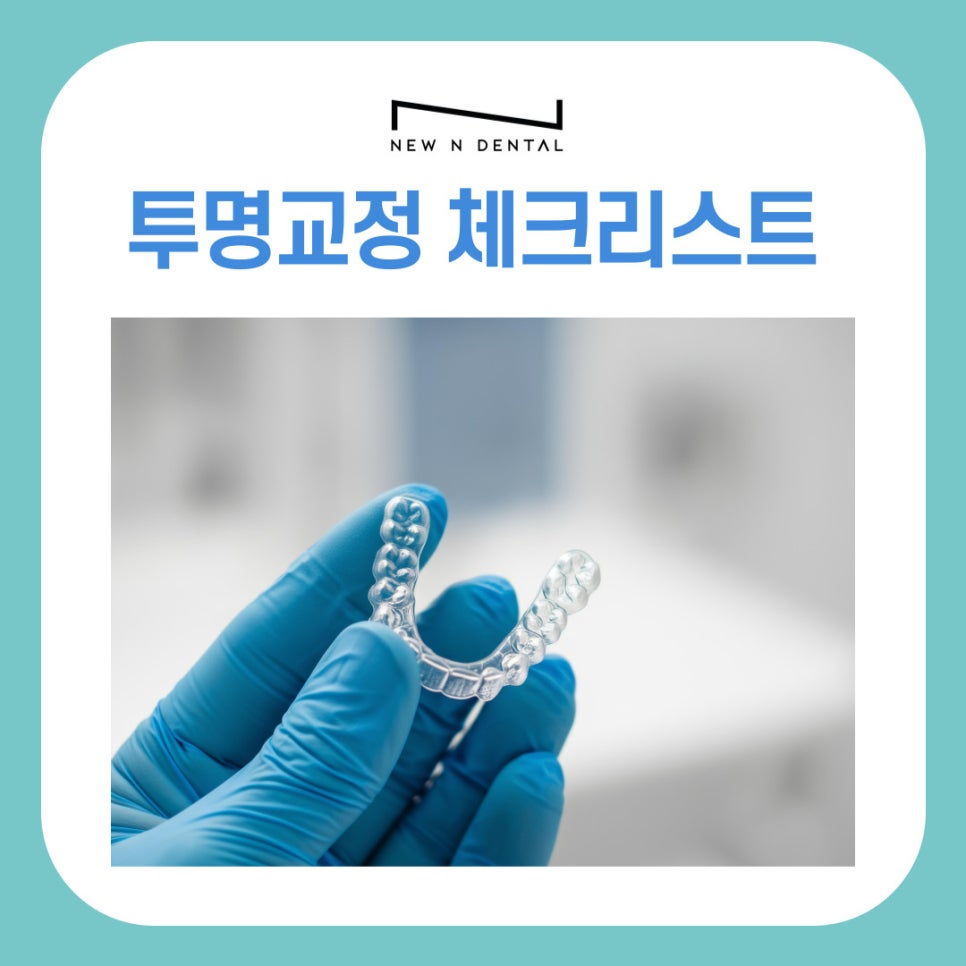
Straight teeth are one of the important factors that determine a first impression.
Especially for office workers and college students near Sinsa-dong who are active in social life, the fact that orthodontic appliances are visible can feel burdensome, so many people consider clear aligners.
However, rather than deciding simply because they are not visible, it is important to clearly understand the treatment standards that suit your oral condition.
Orthodontic treatment
Why is it not just cosmetic?
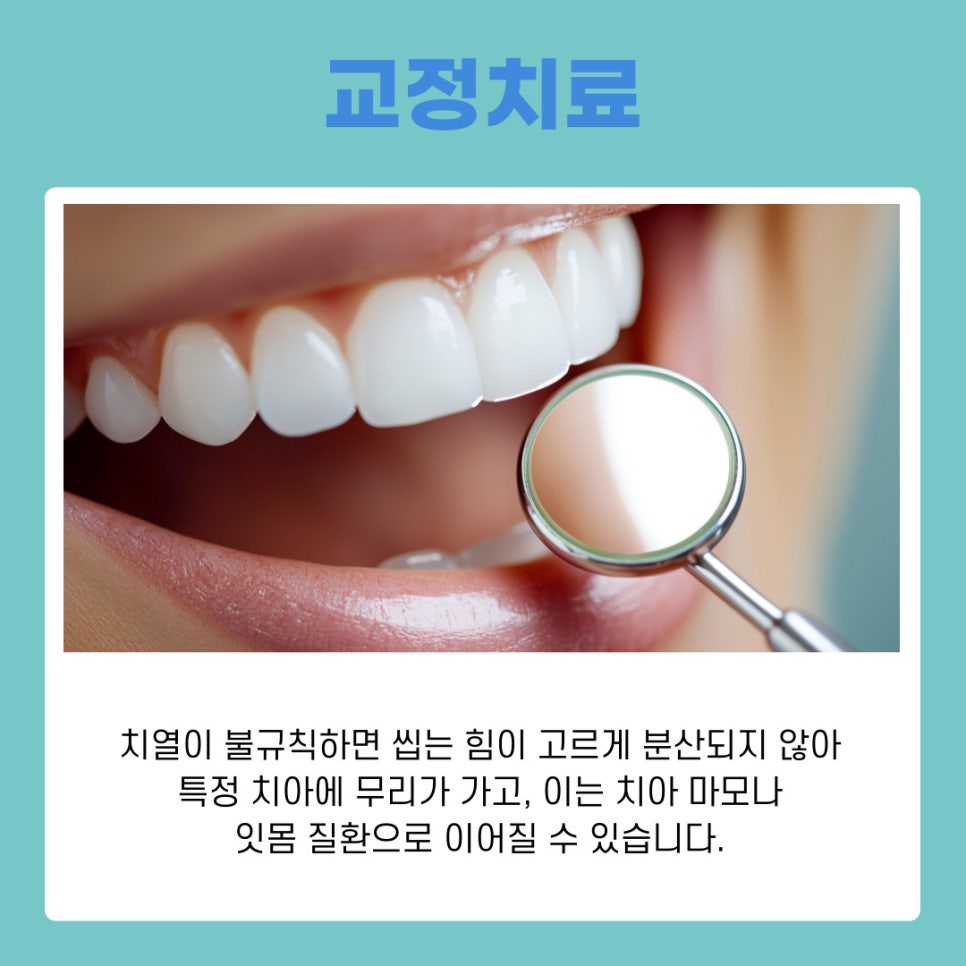
Orthodontic treatment is not simply a procedure to align teeth.
This is because it is a precise process that must take into account the gums and jawbone where the teeth are located, the balance of the lips and cheeks, and even how the upper and lower teeth fit together (occlusion).
If the alignment of the teeth is irregular, chewing force is not distributed evenly, placing strain on certain teeth, and this can lead to tooth wear or gum disease.
Therefore, when choosing a Sinsa-dong orthodontic clinic, you should check whether it is a place that can fundamentally solve these structural problems.
Features and advantages of clear aligners
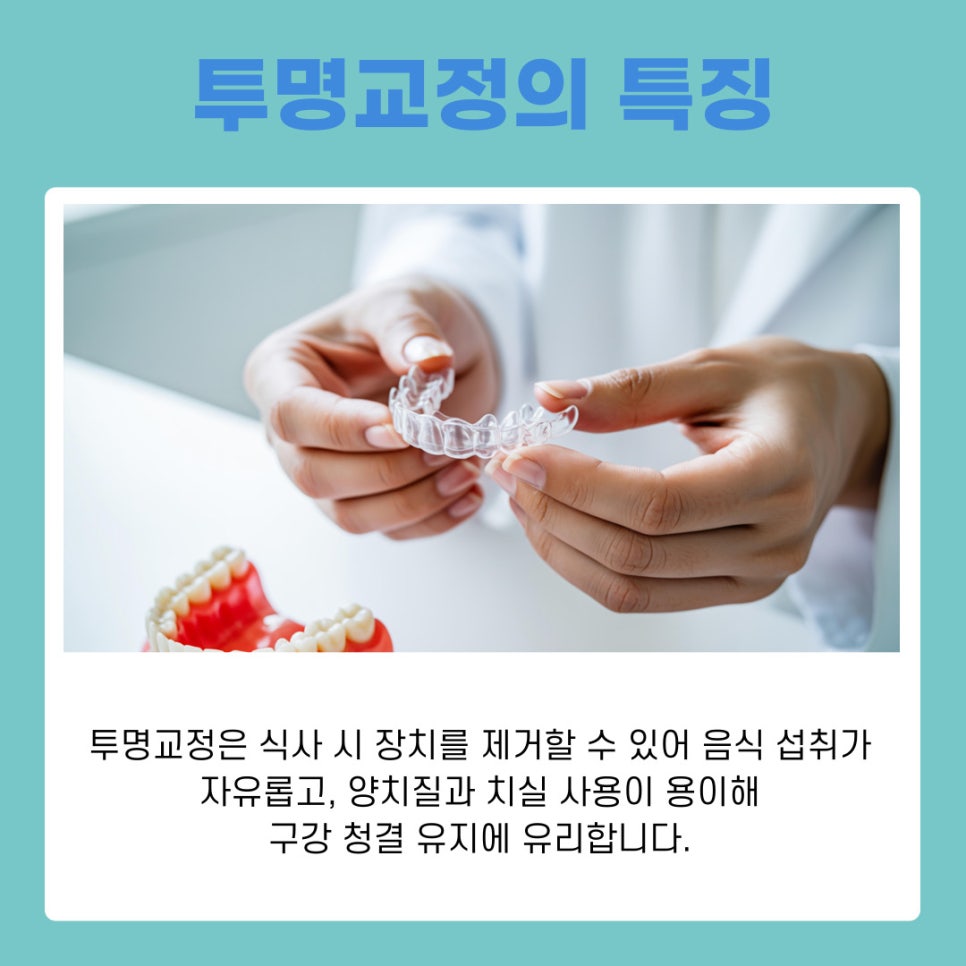
Clear aligners are a type of removable appliance that patients can take out and put back in themselves.
Aesthetics
Made from thin, transparent material, treatment can be carried out without others noticing that you are undergoing orthodontic treatment.
Hygiene management
Because the appliance can be removed during meals, eating is more flexible, and brushing and flossing are easier, which is advantageous for maintaining oral hygiene.
Adaptability
Compared with fixed appliances, it causes less foreign-body sensation and a lower chance of mouth sores, allowing a faster return to daily life.
The importance of precise diagnosis starting in your 20s
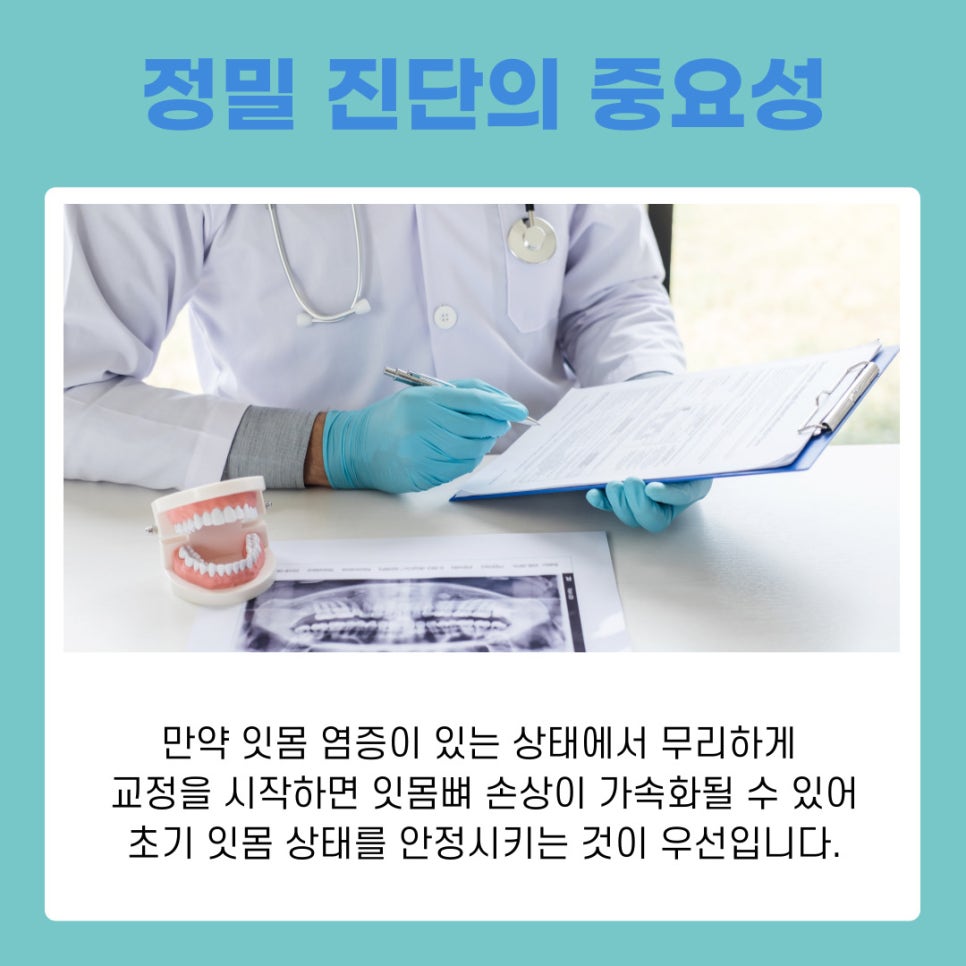
Recently, demand for implants and orthodontic treatment in people in their 20s has been increasing, but being young does not mean you can relax.
Before orthodontic treatment, it is essential to accurately check the amount and density of the alveolar bone and the location of nerves through 3D CT and X-ray imaging.
In particular, alveolar bone resorption, in which the jawbone decreases, often progresses without pain.
If orthodontic treatment is started forcefully while there is gum inflammation, jawbone damage may accelerate, so stabilizing the initial gum condition comes first.
The completion of orthodontics is the retainer
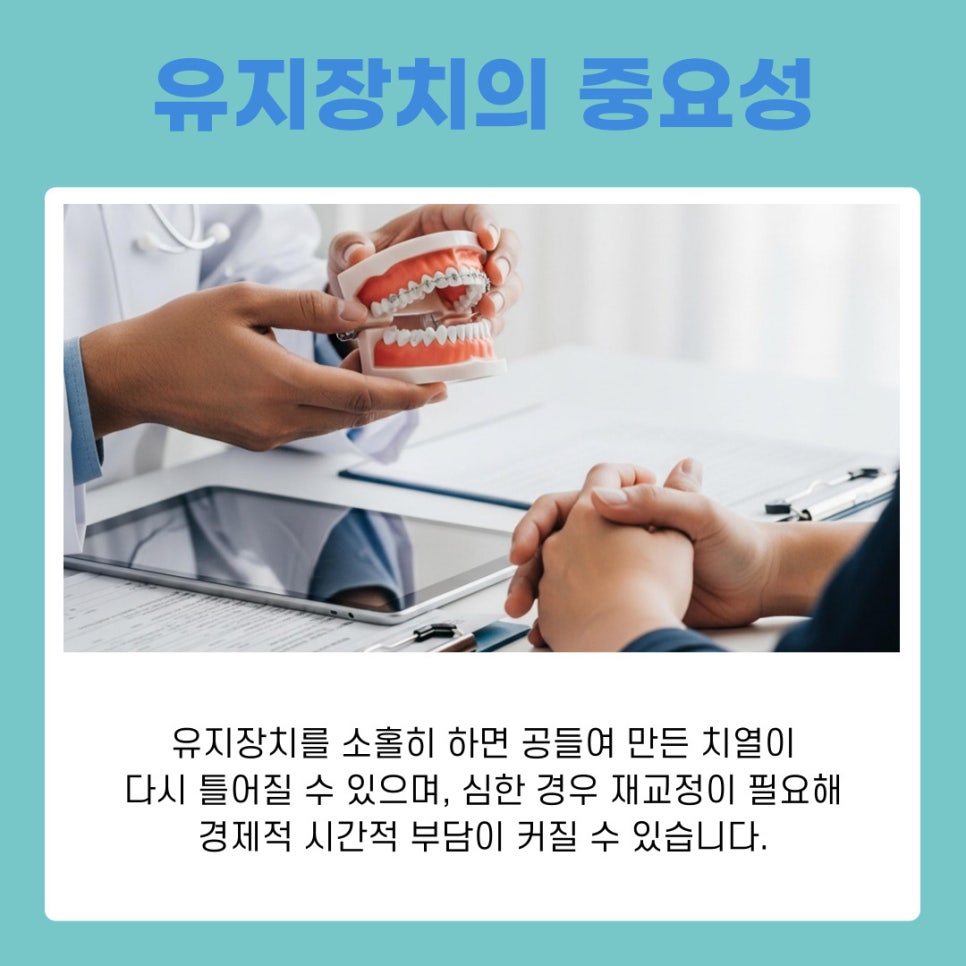
Many people think treatment ends on the day the appliance is removed, but in fact, that is when the important stage of protecting the results begins.
This is because teeth have a strong tendency to return to their original position (relapse).
Fixed retainer
A thin wire is attached to the back of the front teeth to continuously prevent minute movements.
Removable retainer
Worn for a certain amount of time according to the medical staff’s instructions to help stabilize the overall alignment of the teeth.
If you neglect your retainer, the alignment you worked hard to achieve may shift again, and in severe cases re-treatment may be necessary, increasing the financial and time burden.
Aftercare for a healthy smile
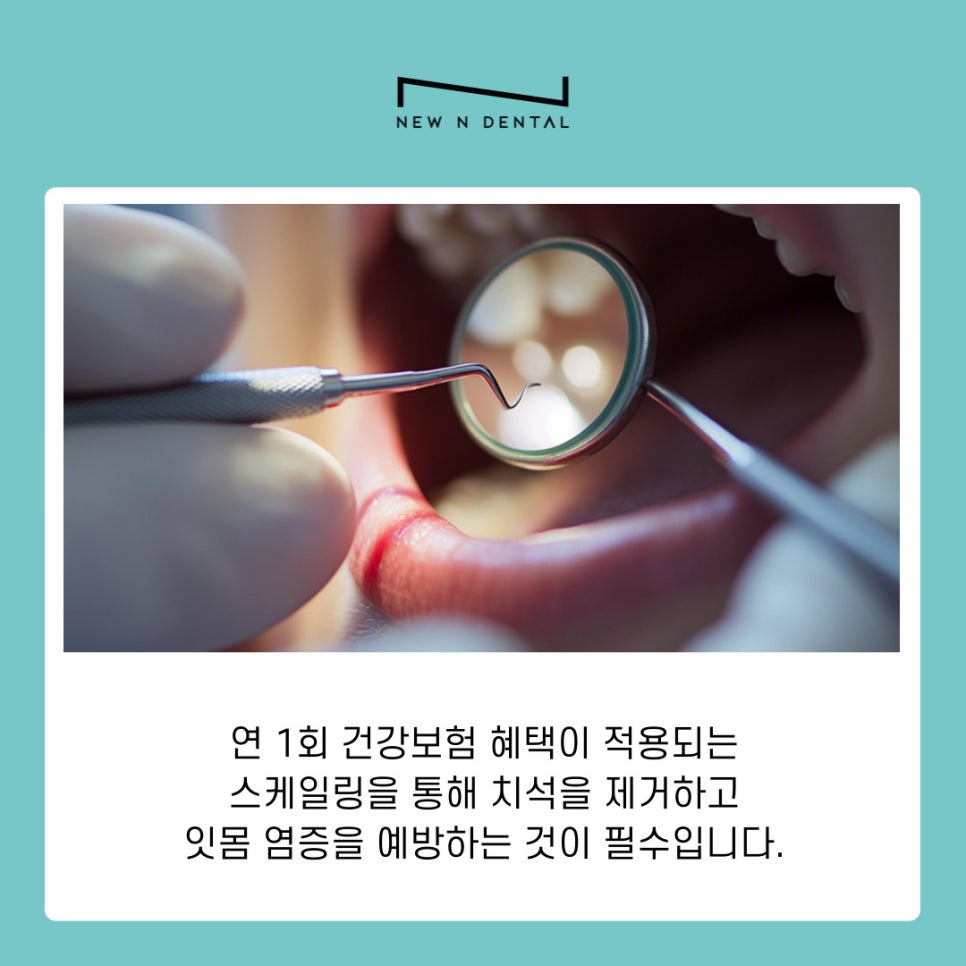
During or after orthodontic treatment, the oral environment can change easily.
In particular, if dry mouth occurs and saliva production decreases, bacteria can multiply more actively, leading to cavities and bad breath, so it is necessary to develop the habit of drinking water frequently.
In addition, it is essential to remove tartar through scaling, which is covered by health insurance once a year, and to prevent gum inflammation.
Depending on your gum condition, if you also receive regular care every six months, you can maintain your orthodontic results beautifully for a much longer time.
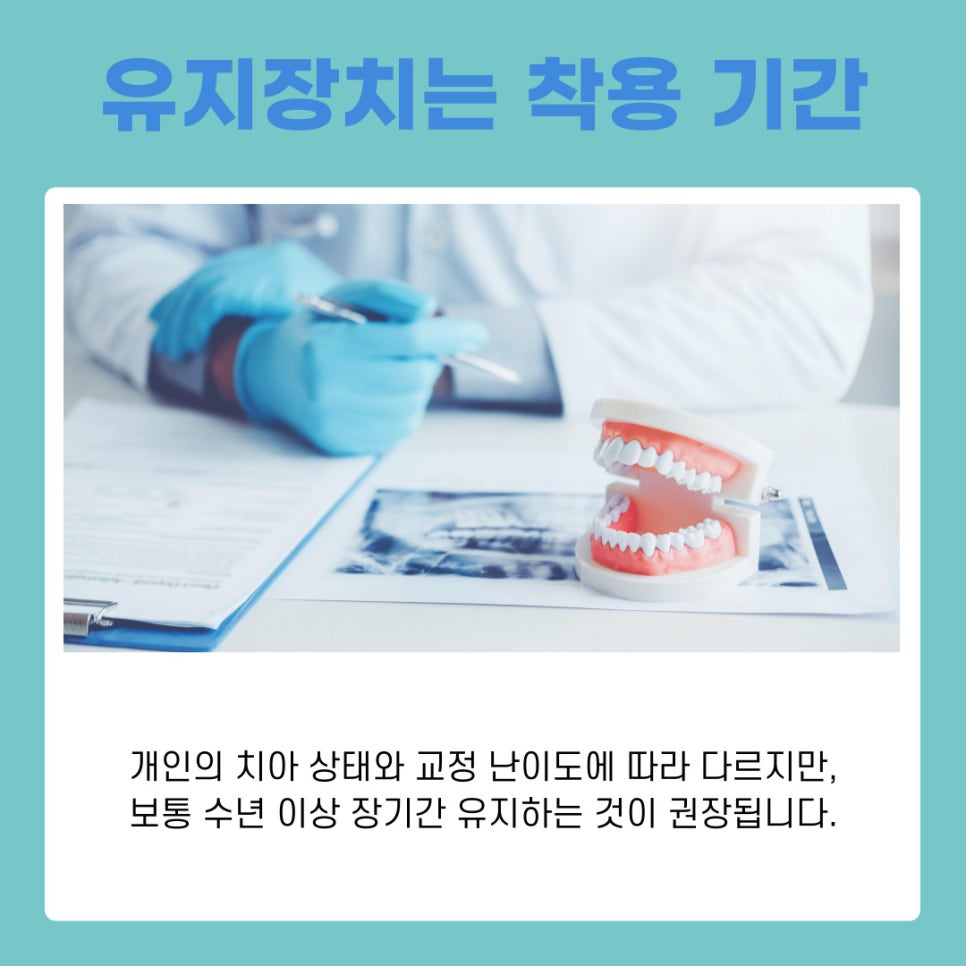
Q. How long should I wear a retainer after orthodontic treatment is finished?
A. The duration of retainer wear varies depending on the individual’s tooth condition and the difficulty of the orthodontic treatment, but in general, long-term wear for several years or more is recommended.
This is because the tissues around the teeth need enough time to fully adapt to the new position and for the jawbone to stabilize.
Especially right after orthodontic treatment, the risk of relapse is highest, so strictly following the wearing time instructed by the medical staff is the surest way to protect the treatment results.