
A Guide to Healthy Tooth Restoration and Care with Seocho-dong Implant Dental Clinic
| Summary |
|---|
| 1. Leaving tooth loss untreated disrupts oral balance |
| 2. Implants restore function with artificial roots |
| 3. Precise diagnosis determines surgical success |
| 4. Additional procedures may be needed depending on bone condition |
| 5. Aftercare determines longevity |

Hello,
this is Newn Dental Clinic.
Teeth help break down food and aid digestion,
allow accurate pronunciation, and
maintain the facial structure.
If tooth loss is left untreated, nearby teeth may
lean into the empty space or the opposing teeth may
extrude, causing the overall oral balance to collapse.
In addition, the alveolar bone that supported the teeth
will gradually be resorbed and disappear once chewing
stimulation is lost.
The implant, designed to solve these problems,
works by placing an artificial root directly into the bone
and inducing osseointegration.
The success and rapid recovery of implant surgery
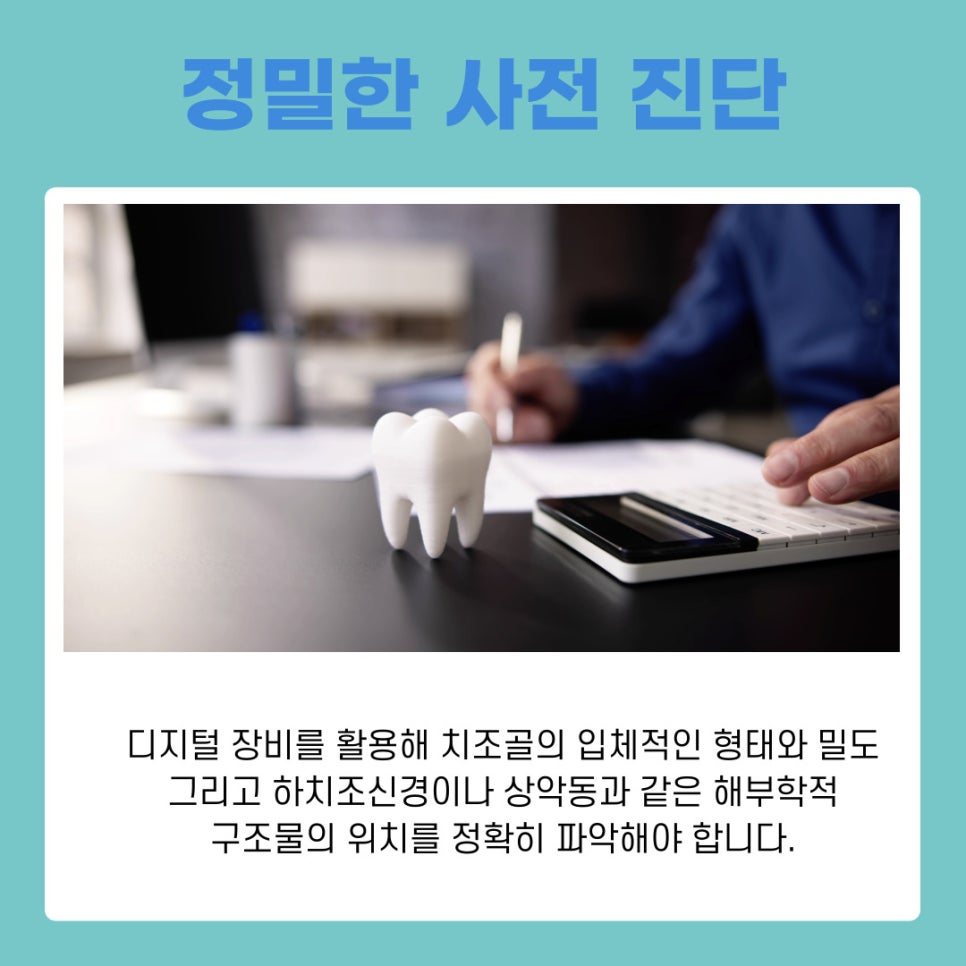
are determined by precise preoperative diagnosis.
Using digital equipment, the three-dimensional shape
and density of the alveolar bone, as well as the
locations of anatomical structures such as the inferior
alveolar nerve and the maxillary sinus, must be accurately identified.
Based on this, setting the placement angle and depth
can reduce unnecessary tissue damage during surgery.
The less tissue damage there is, the less swelling
and pain occur after surgery, and the body's natural
healing ability works more quickly,
shortening the overall recovery period.
The condition of the jawbone is directly linked to
an implant's stability.
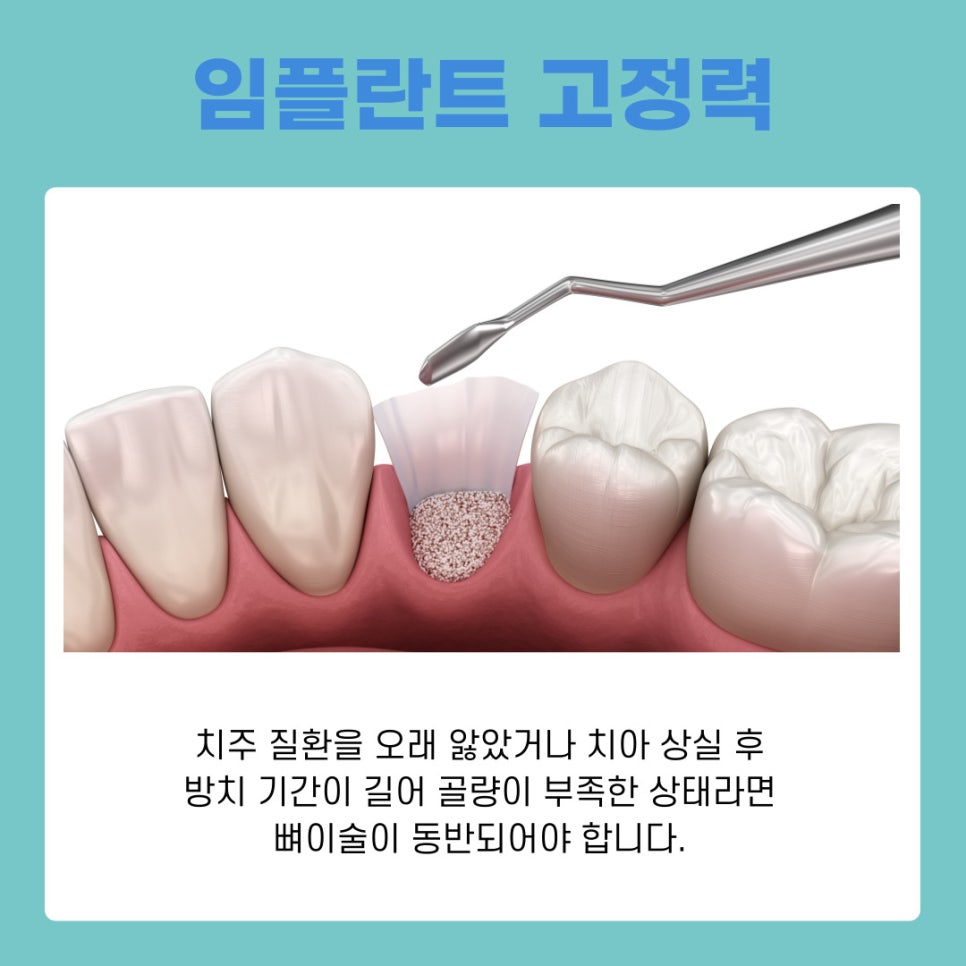
If you have had periodontal disease for a long time or
have been left without a tooth for an extended period,
resulting in insufficient bone volume, a bone graft
procedure must be performed.
This is the process of creating an environment where
the implant can be sufficiently surrounded by grafted
artificial bone or autogenous bone.
In the upper jaw, if the maxillary sinus, the empty
space located above the molars, has descended, a
sinus lift procedure may be necessary to raise it and
fill the area with bone.
Because these additional procedures require extra time
for the bone to harden, the treatment period varies
depending on each person's bone regeneration speed.
From immediately after surgery, the osseointegration
stage, in which the artificial root and bone fuse into one,
is the most important period for implant stabilization.
Generally, the lower jaw takes about 2 to 3 months,
and the upper jaw about 3 to 6 months.
The precautions that patients must follow during this
period are no smoking and no drinking.
The components of cigarettes raise the temperature in
the oral cavity and constrict blood vessels, interfering
with the delivery of fresh blood and nutrients to the
surgical site.
This can lead to osseointegration failure, preventing
the implant from becoming fixed and possibly causing
it to fall out.
Care after the implant prosthesis has been completed
is like a second surgery that determines the implant's lifespan.
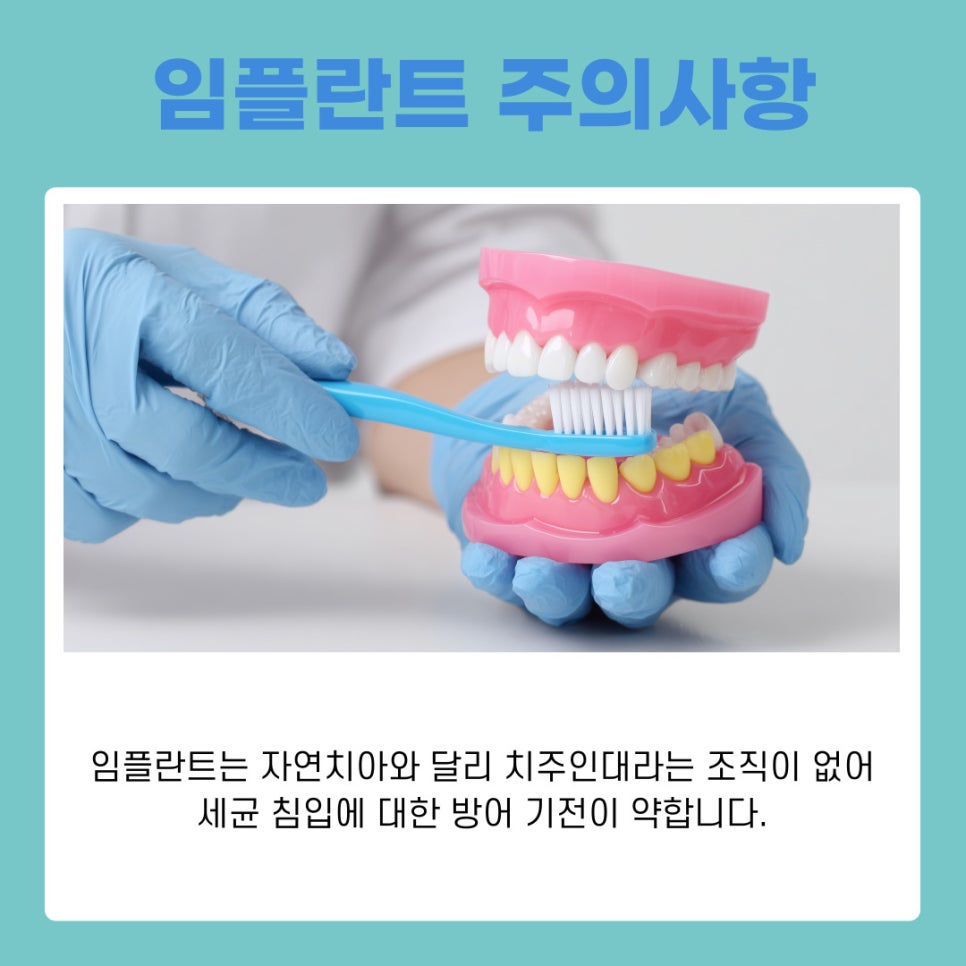
Unlike natural teeth, implants do not have periodontal
ligaments, so their defense mechanism against bacterial
invasion is weaker.
Also, because there is no nerve, even if inflammation occurs
and the jawbone begins to dissolve, the patient will
hardly feel any pain.
This is called peri-implantitis, and to prevent it, you must
remove plaque around the prosthesis completely using
floss and interdental brushes in addition to brushing.

Regular dental visits are essential for the early detection
of mechanical defects and biological problems with implants.
If the screw that secures the implant prosthesis loosens
slightly, you may feel a foreign-body sensation while
chewing, and if left untreated, the screw may break
or the implant itself may be damaged.
With regular checkups to assess the occlusal relationship
and, if necessary, retighten the prosthesis, the implant
can be used stably for more than 10 years.
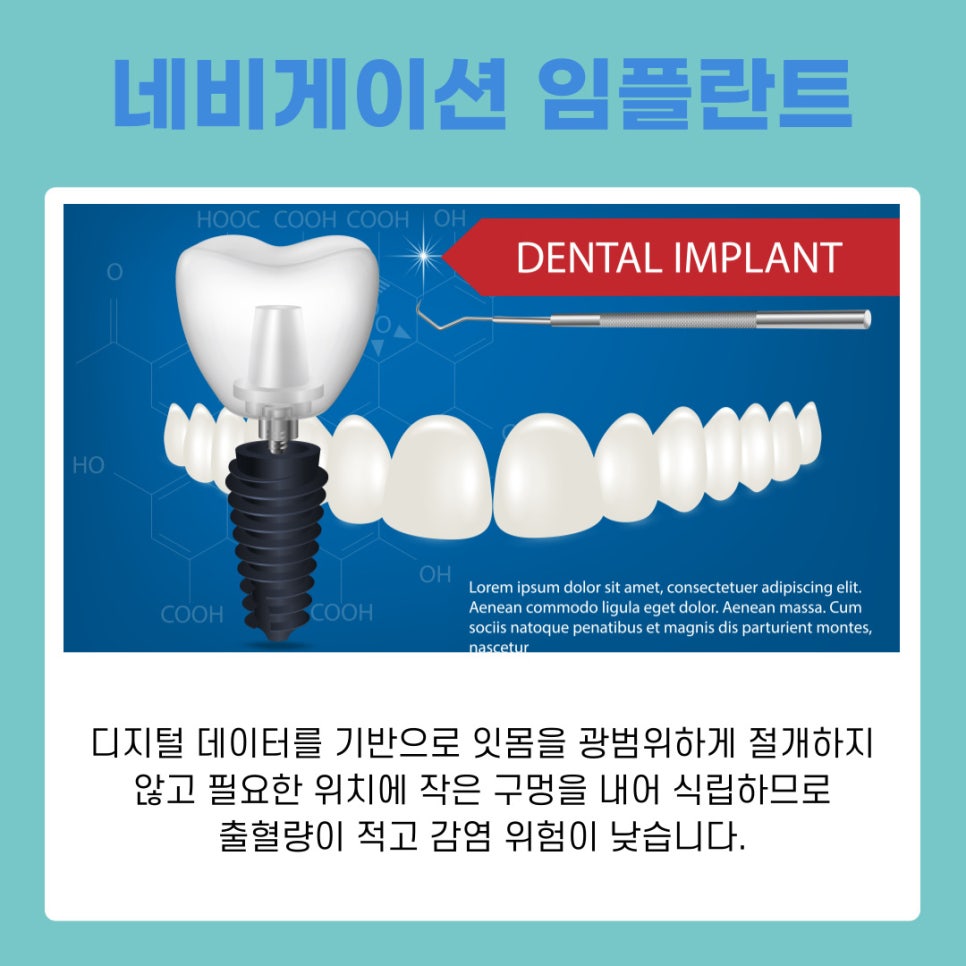
In terms of the surgical method as well, navigation-based
placement using guides made from digital data has
recently been introduced.
This allows placement by making a small opening at the
necessary location without making a wide incision in the gums,
resulting in less bleeding and a lower risk of infection.
In particular, it is considered an efficient method that reduces
physical burden for older adults with reduced recovery
capacity or patients with underlying medical conditions.

Q. After implant surgery,
how many days does the pain last?
A. Pain and swelling are most severe immediately after surgery
and for 2 to 3 days afterward, then gradually subside.
Taking the prescribed medication on time and applying cold
compresses as instructed will be very helpful for pain control.
If the pain does not lessen or actually gets worse even after
one week has passed, inflammation should be checked, so you
must get examined immediately.