This post was written directly by Gangnam New N Dental Clinic, and
in strict compliance with Article 56 of the Medical Service Act and the related regulations on medical advertising review,
we provide medical information through clinic and hospital blog content
that may be helpful to an unspecified number of patients.
Gingivitis Treatment and Management
A Guide to Healthy Gums
| Summary |
|---|
| 1. Gingivitis is an early stage, and if treated promptly, it can return to its original healthy condition. |
| 2. Scaling removes hardened tartar that cannot be removed by brushing. |
| 3. Bleeding from the gums or swelling while brushing may be an early warning sign. |
| 4. After treatment, proper brushing habits and dental floss should be used to suppress plaque formation. |

Hello,
this is New N Dental Clinic.
Have you ever been startled when you woke up in the morning and, while brushing your teeth, saw red blood mixed in with the foam? Or have you noticed that your gums look redder than before or feel slightly throbbing even when touched lightly? These symptoms are very important warning signs from the body—typical signs of gingivitis.




Previous image
Next image
Although gingivitis is a common condition, if left untreated it can lead to serious consequences, including eventually losing an entire tooth. Today, we will take a detailed look at what gingivitis is, and how to treat and prevent it so you can protect your precious natural teeth for as long as possible.
What Is Gingivitis?
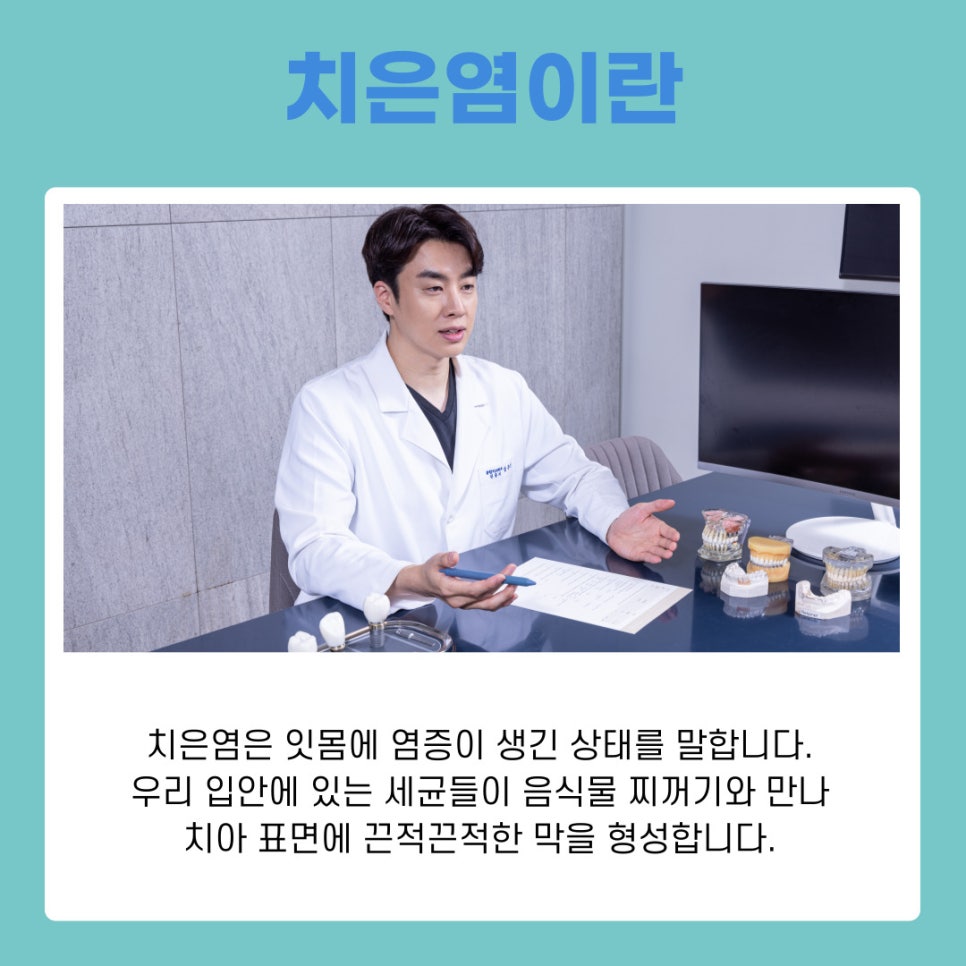
Gingivitis refers to inflammation of the gums (gingiva). Numerous bacteria live in our mouths, and when these bacteria meet food debris, they form a sticky film on the tooth surface. This is called plaque. If this plaque is not removed in time, it combines with substances in saliva and turns into tartar, which is as hard as stone.
Main Symptoms Checklist for Gingivitis
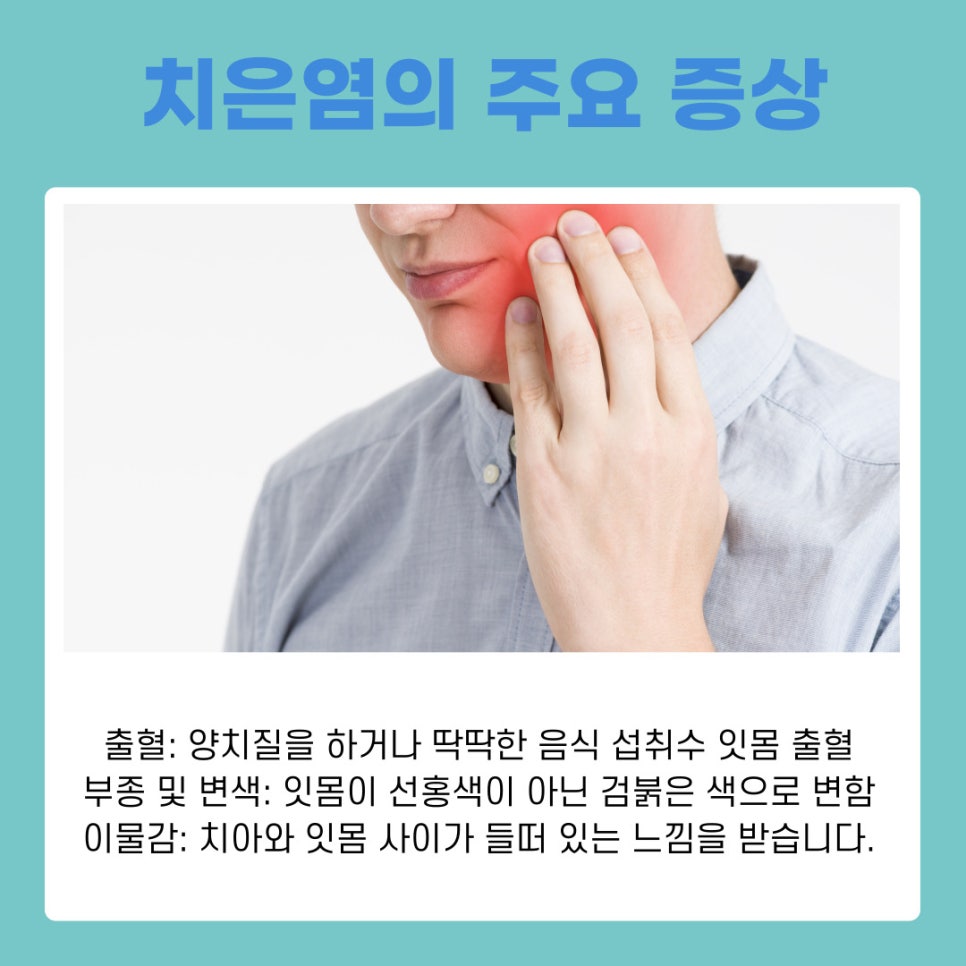
Bleeding: Your gums bleed when you brush your teeth or eat hard fruits (such as apples).
�
Swelling and discoloration: The gums change from bright pink to a dark red color and feel swollen.
�
Bad breath: A strong mouth odor appears that does not go away even with thorough brushing.
�
Increased sensitivity: The area around the gums feels sharp or uncomfortable when drinking cold water or eating hot foods.
�
Foreign-body sensation: You may feel as though the space between the teeth and gums is loose.
Professional Gingivitis Treatment at the Dental Clinic
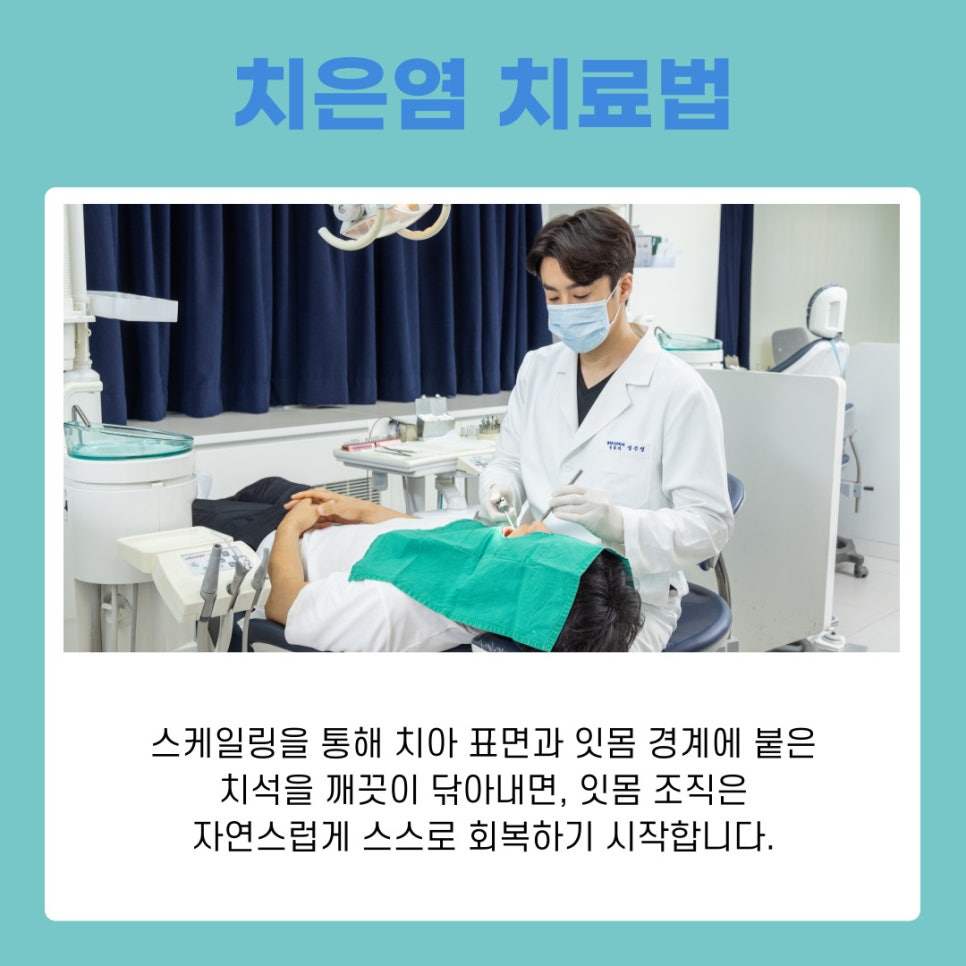
Scaling Treatment
The most important part of gingivitis treatment is removing tartar, the cause of inflammation. Tartar cannot be removed by brushing or flossing alone, so scaling with a dental ultrasonic device is essential. When tartar attached to the tooth surface and gum line is thoroughly removed through scaling, the gum tissue naturally begins to heal on its own.
Root Planing and Curettage
If tartar has penetrated deep inside the gums, ordinary scaling may not be enough. In such cases, root planing to smooth the tooth root surface or periodontal curettage to directly scrape away inflamed tissue inside the gums is performed to create a clean environment where bacteria cannot grow again.
Aftercare Is More Important Than Treatment
Practice proper brushing: Try the Bass method, in which you place the toothbrush at a 45-degree angle to the gumline and the tooth and brush with small vibrations, or the circular method, in which you sweep from the gums toward the teeth. Scrubbing hard without direction only damages the gums.
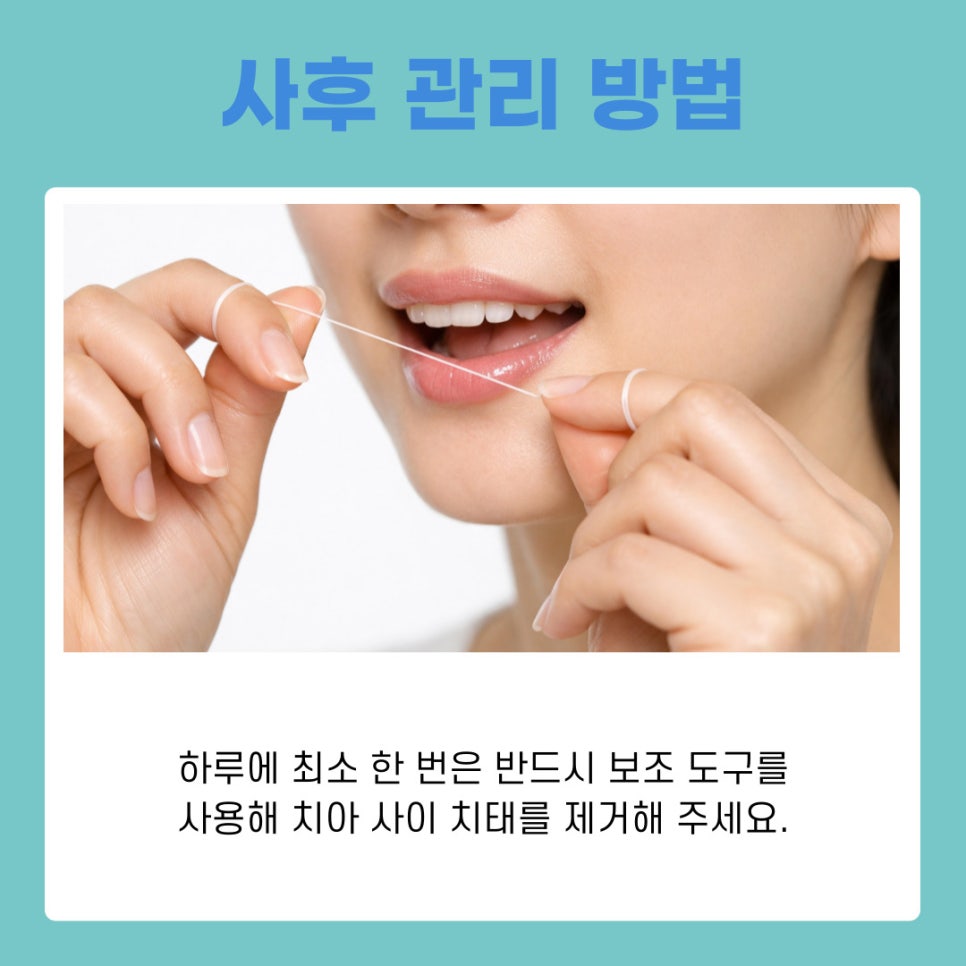
Use oral aids: The spaces between teeth that a toothbrush cannot reach account for about 40% of the total tooth surface. Not using dental floss and interdental brushes is like brushing only half of your teeth. Be sure to use auxiliary tools at least once a day to remove plaque between teeth.
Make regular checkups a habit: Adults should get a regular checkup once every 6 months to 1 year. In particular, in Korea, anyone aged 19 or older can receive one health insurance-covered scaling treatment per year, so please make active use of this benefit.

Q. What happens if gingivitis is left untreated?
�
A. If gingivitis is left untreated without treatment, the inflammation begins to dissolve the alveolar bone (the bone supporting the gums) beneath the gums.
This stage is called periodontitis (pyorrhea), and from this point on, it becomes very difficult to restore the damaged bone. As the gum bone dissolves, teeth that were previously healthy begin to loosen, and eventually extraction may be necessary in a situation where even implants are difficult to place.
With gingivitis treatment, anyone can maintain healthy gums as long as they do not ignore the signals sent by the gums, visit the dental clinic, and diligently brush their teeth for three minutes after meals.
�
�