This post was written directly by New N Dental Clinic in Gangnam and
strictly complies with the provisions related to Article 56 of the Medical Service Act and medical advertising review regulations,
and provides medical information through hospital and clinic blog content
that may be helpful to an unspecified number of patients.
Malocclusion Treatment Methods Explained by a Gangnam Station Orthodontic Dental Clinic
| Summary |
|---|
| 1. Malocclusion refers to a condition in which the bite is misaligned due to uneven tooth arrangement or disharmony in the growth of the maxilla and mandible (upper and lower jaws). |
| 2. Genetic factors play a major role, but childhood habits such as mouth breathing can also be acquired causes. |
| 3. It is classified according to symptoms, and different treatment strategies are needed for each type. |
| 4. If treatment is delayed, secondary problems such as tooth wear, gum disease, and jaw joint pain may occur. |
Hello,
this is New N Dental Clinic.
When you look in the mirror, do your front teeth seem to protrude, or do your lower teeth cover your upper teeth? Or if you feel that only certain teeth touch when chewing food, you should suspect malocclusion.
Malocclusion is not just an aesthetic issue; it directly affects the functions of eating and speaking, which are essential for living a healthy life.
Today, we will take an in-depth look at everything about malocclusion, which silently threatens oral health.

Previous image
Next image
Causes of malocclusion

-
Bad habits: In growing children, habits such as thumb sucking for long periods, tongue thrusting, and nail biting can cause bone deformation. In particular, mouth breathing due to rhinitis and other conditions is a major cause that can elongate the face and entrench malocclusion.
-
Poor management of primary teeth: If baby teeth are lost too early because of cavities, neighboring teeth drift into the empty space, eliminating the room needed for permanent teeth to erupt later and creating crowded teeth or malocclusion.
Stages of malocclusion
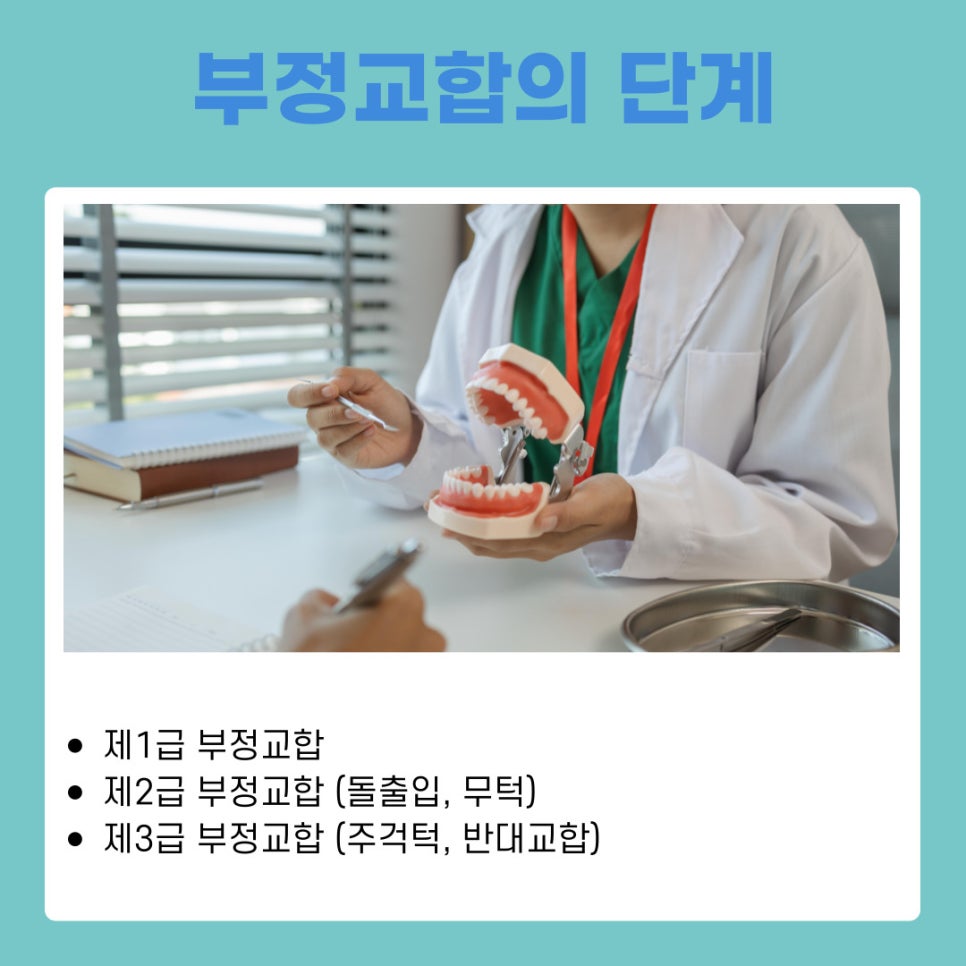
Class I malocclusion
The upper and lower molars fit together normally, but the teeth are irregularly aligned or spaced apart. Crowded teeth fall into this category, and orthodontic treatment is performed to improve aesthetics and brushing efficiency.
Class II malocclusion (protruding mouth, recessed chin)
The upper teeth and upper jaw protrude excessively compared with the lower jaw. The upper lip may appear protruded, or there may be a tendency toward a recessed chin, making the lower jaw look small. Because the front teeth protrude, there is a greater risk of tooth fracture from external impact.
Class III malocclusion (underbite, reverse bite)
The lower jaw protrudes forward beyond the upper jaw. A reverse bite appears in which the lower teeth cover the upper teeth, causing not only appearance-related stress but also difficulty cutting food with the front teeth.
Risks of leaving malocclusion untreated

-
Reduced digestive function: Food cannot be properly broken down into small pieces, which can lead to gastrointestinal problems.
-
Gum disease and cavities: If the teeth are crowded, brushing is not done properly, plaque and tartar build up easily, and eventually tooth loss from periodontitis can occur even in your 20s or 30s.
-
Temporomandibular joint disorders: Because the bite is misaligned, excessive load is placed on the jaw joint, which can cause jaw pain, noises, limited mouth opening, and even chronic headaches.
Treatment methods by symptom
-
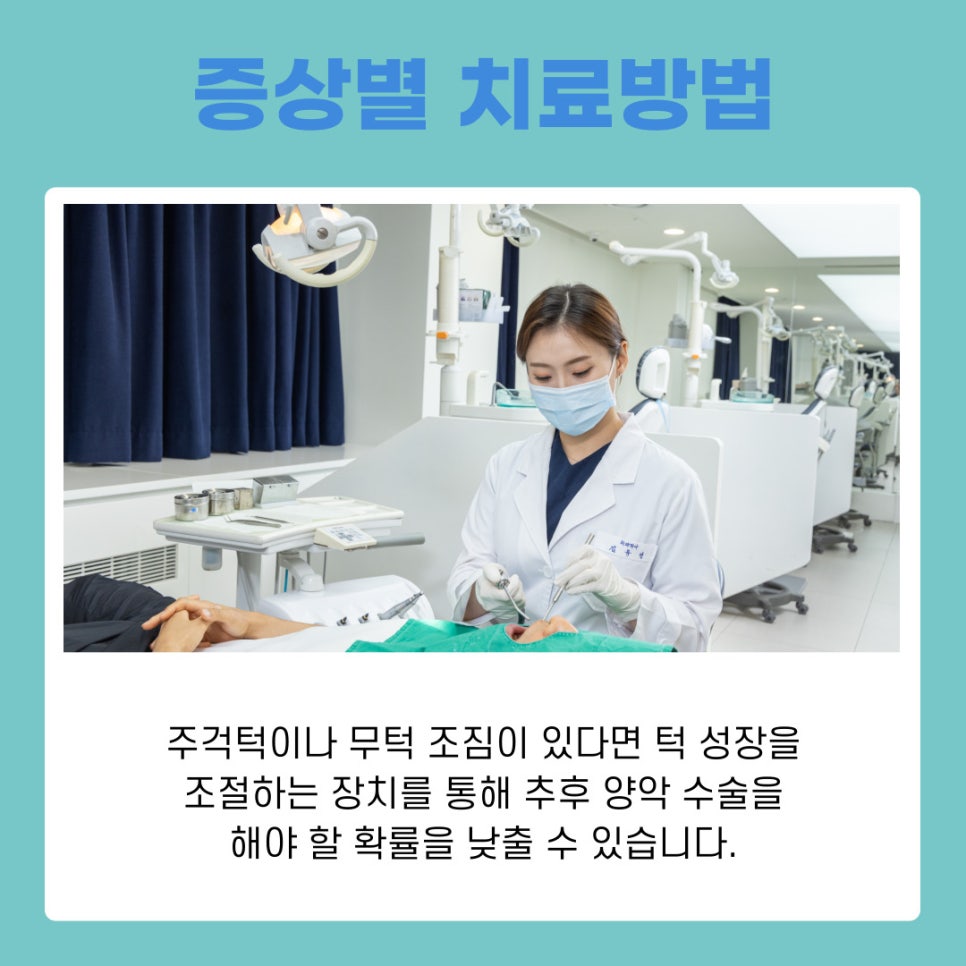
Growing children (skeletal correction): An initial orthodontic examination is recommended at around age 6 to 7. If there are signs of an underbite or recessed chin, devices that control jaw growth can reduce the likelihood of needing double-jaw surgery later.
-
Tooth alignment correction: After growth is complete, options tailored to your lifestyle are available, such as conventional bracket braces, discreet Invisalign (clear aligners), or lingual braces attached to the inner side of the teeth.
-
Introduction of digital systems: Digital orthodontics, which uses 3D CT and oral scanners to predict tooth movement paths in advance, reduces errors and shortens treatment time.
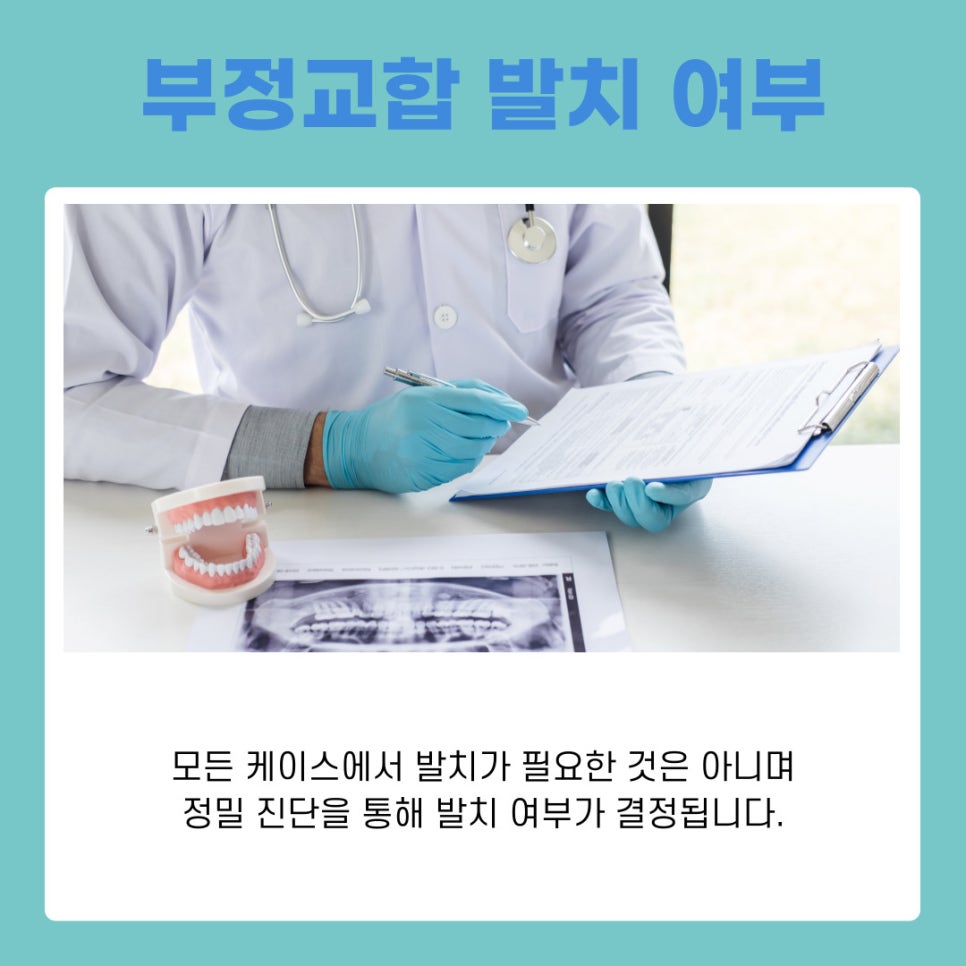
Q. Does malocclusion correction always require tooth extraction?
A. Tooth extraction is not necessary in every case. If there is enough space for the teeth to move, non-extraction orthodontic treatment may be possible by slightly reshaping the spaces between teeth, pushing the entire dental arch backward, or expanding the arch (the width of the jawbone).
However, if the lips protrude too much or there is a severe lack of space for the teeth, it may be necessary to extract a premolar to secure space. This is determined through a precise diagnosis.