This post was written directly by Newen Dental Clinic and
strictly complies with Article 56 of the Medical Service Act and
regulations related to medical advertising review
in providing medical information through hospital and clinic blog content
that may be helpful to an unspecified number of patients.
Gangnam Orthodontic Clinic:
Understanding the Characteristics
of Different Types of Orthodontic Appliances
| Summary |
|---|
| 1. Orthodontic treatment begins with selecting the most suitable orthodontic appliance according to the type of malocclusion and skeletal characteristics of each individual. |
| 2. Ceramic and lingual appliances significantly improve aesthetics and are primarily used for adult patients who are socially active. |
| 3. Self-ligating appliances reduce friction, helping to relieve discomfort, and are characterized by potentially shortening the overall treatment period. |
| 4. Clear aligners have a mouthpiece-like form and can be removed, making hygiene management convenient. However, strict adherence to the required wearing time is essential. |

Hello,
This is Newen Dental Clinic.
Orthodontic treatment is not limited to cosmetic treatment that simply visually aligns crooked teeth.
It also has a medical purpose: addressing functional problems such as reduced chewing ability caused by misalignment between the upper and lower jaws, inaccurate pronunciation, and chronic periodontal disease that can develop when overlapping teeth prevent a toothbrush from reaching certain areas.



Previous image
Next image
The key medium that continuously applies physical force to the teeth to guide orthodontic treatment to a successful outcome is the orthodontic appliance.
The Fundamentals of Orthodontic Treatment
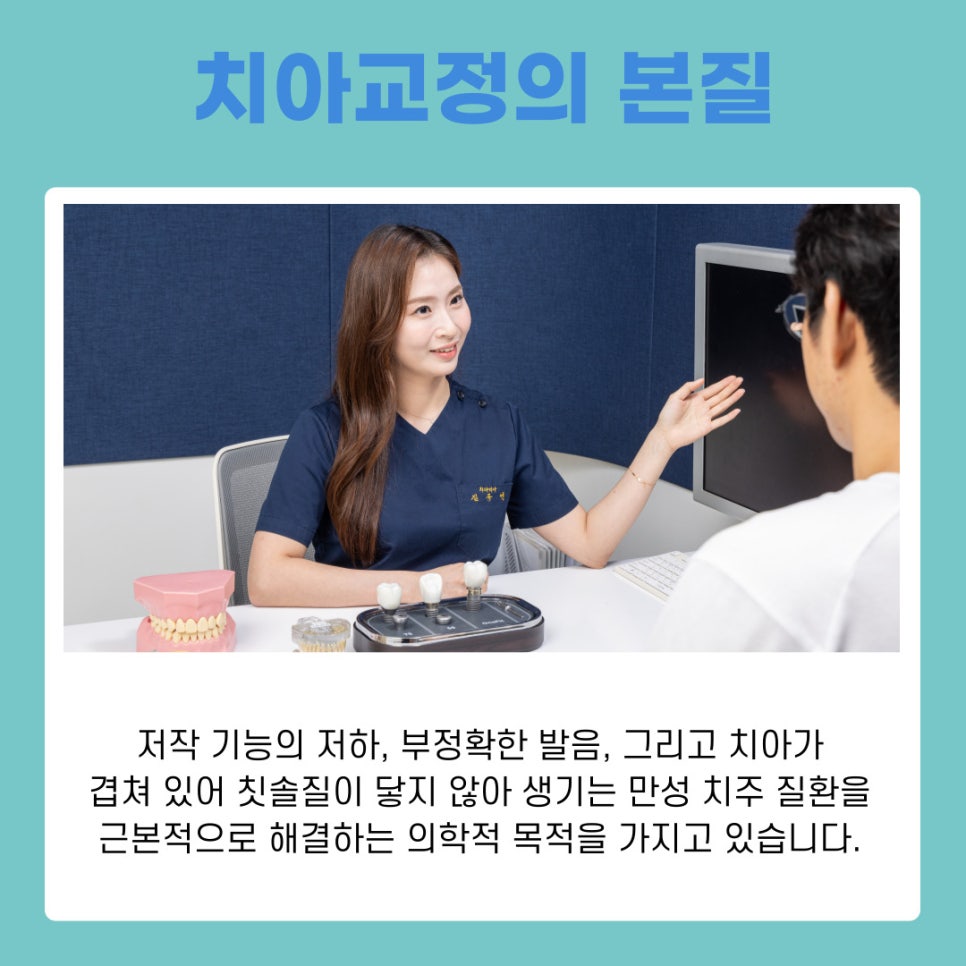
Orthodontic treatment is not limited to cosmetic treatment that simply visually aligns crooked teeth.
It also has a medical purpose: addressing functional problems such as reduced chewing ability caused by misalignment between the upper and lower jaws, inaccurate pronunciation, and chronic periodontal disease that can develop when overlapping teeth prevent a toothbrush from reaching certain areas.
The key medium that continuously applies physical force to the teeth to guide orthodontic treatment to a successful outcome is the orthodontic appliance.

The process of choosing an appliance affects the level of discomfort a patient may experience during treatment, the frequency of dental visits, the difficulty of maintaining oral hygiene, and changes in appearance.
Therefore, it is essential for patients to clearly understand the advantages, disadvantages, and clinical characteristics of the various appliances available. This is a necessary prerequisite for establishing the most appropriate treatment plan in consultation with their treating dentist.
Types and Characteristics of Orthodontic Appliances
Metal braces are the traditional method with the longest clinical history. They are made of stainless steel, have very little risk of breakage, and offer highly effective biomechanics for moving teeth.
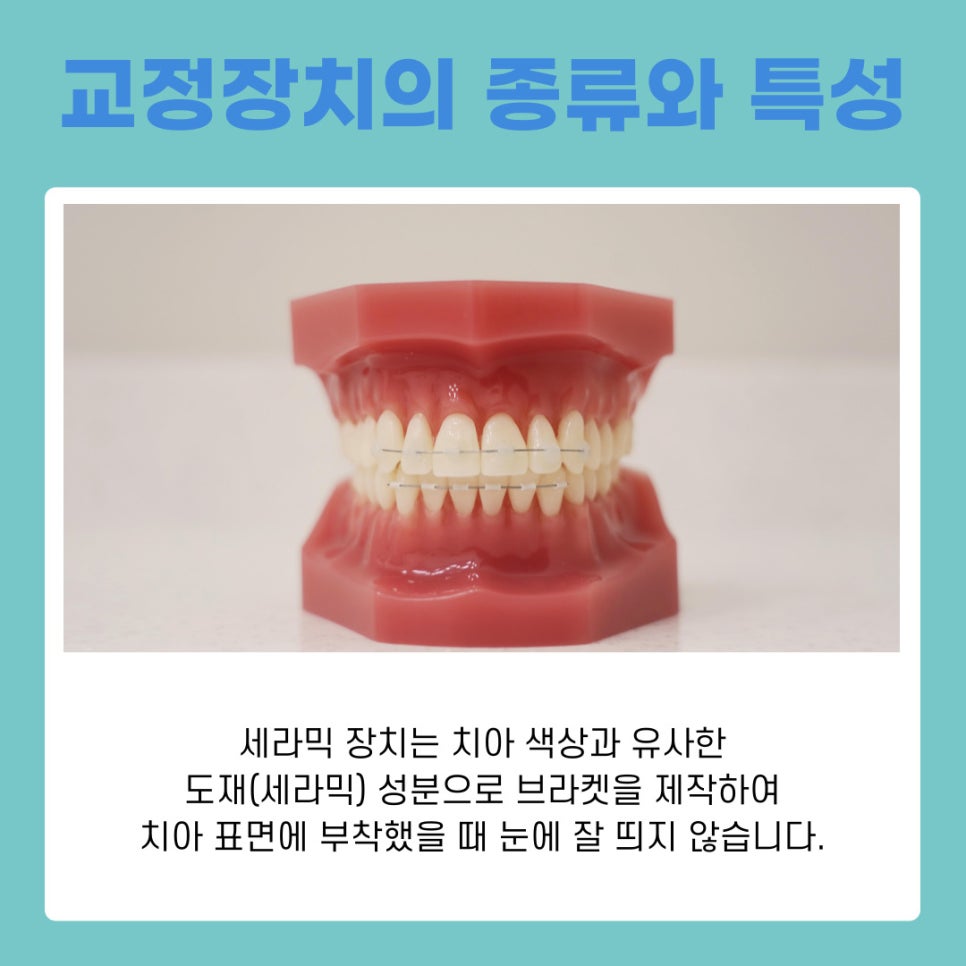
Ceramic braces use brackets made from porcelain, or ceramic, material similar in color to natural teeth, making them less noticeable when attached to the tooth surfaces.
Lingual braces are placed on the inner, or lingual, surfaces of the teeth rather than on the outer surfaces. Since the appliances are hidden behind the teeth and are not externally visible, they allow for highly discreet orthodontic treatment.
Self-Ligating System
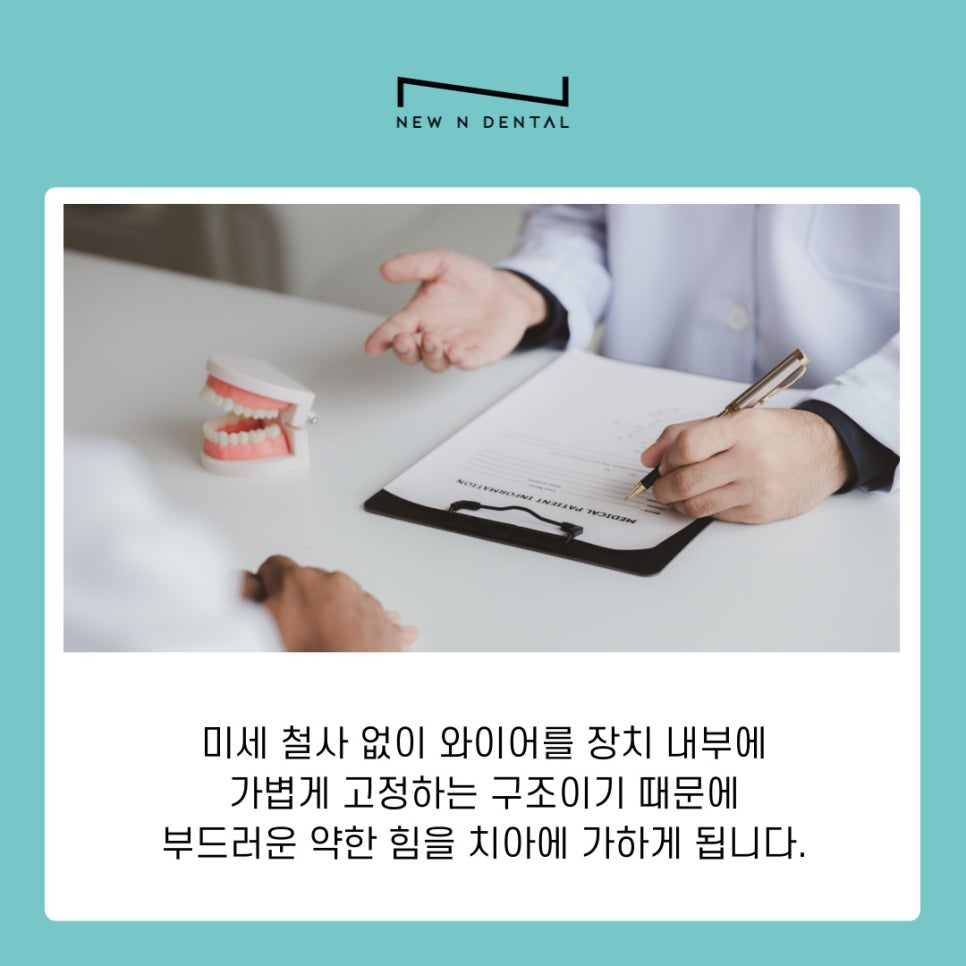
Self-ligating appliances have clips or covers with a sliding-door design built into the brackets themselves.
Because the wire is lightly secured inside the appliance without fine ligature wires, it can slide freely and apply continuous, gentle, low force to the teeth.
Food is less likely to become trapped in ligatures, making oral hygiene easier. In addition, the time required to replace the wire during dental visits is reduced.
Clear Orthodontic Appliances
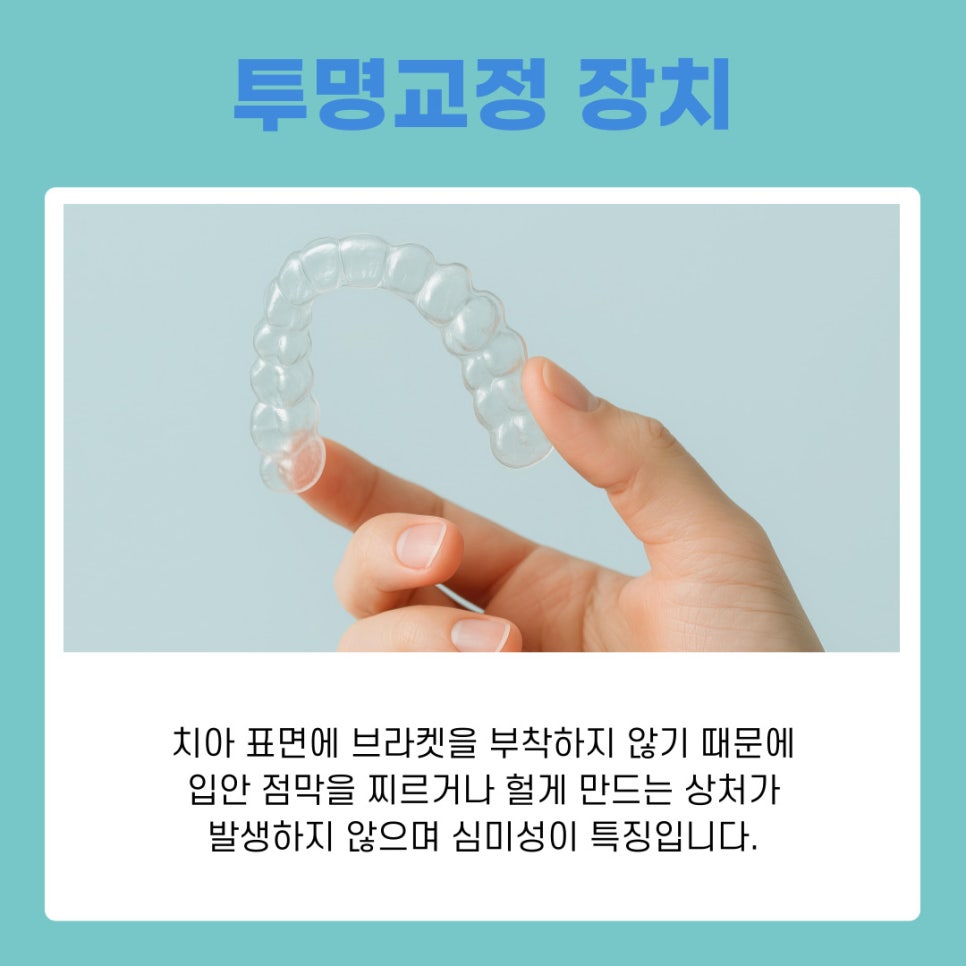
Clear appliances are thin, mouthpiece-like devices made from special plastic materials and custom-fitted to the patient’s oral structure.
Because no brackets are attached to the tooth surfaces, they do not cause injuries from poking or irritating the oral mucosa, and their aesthetic appearance is a key feature.
Most importantly, patients can freely remove the appliances themselves when eating or brushing their teeth. This makes it possible to maintain thorough oral hygiene during orthodontic treatment and may help reduce the risk of cavities or gum disease.
Q. What should I do if a bracket falls off a tooth during orthodontic treatment?
A. Brackets are attached with a special adhesive designed to allow them to come off when subjected to a strong impact, thereby minimizing damage to the tooth surface.
If an appliance comes loose, do not panic. Contact the dental clinic you visit as soon as possible to arrange an appointment.
If the appliance is left detached, orthodontic force will not be applied to that tooth, which may alter the overall path of tooth movement and extend the treatment period.
It is advisable not to lose the detached bracket piece and to bring it with you to the dental clinic.