This post was written directly by Gangnam New En Dental Clinic and
provides medical information that may be helpful to a wide range of patients through
hospital and clinic blog content, while strictly complying with
「Article 56 of the Medical Service Act and regulations related to medical advertising review」.
A Procedure Guide from a
Gangnam Veneer Dental Clinic
| Summary |
|---|
| 1. Veneers are thin ceramic shells bonded to the teeth after minimally shaping the tooth surface, with the aim of improving both aesthetics and tooth structure. |
| 2. They are mainly used for permanent teeth with significant discoloration or external defects that are difficult to improve with conventional whitening treatment. |
| 3. It is important to choose a dental clinic that follows conservative diagnostic standards, prioritizing preservation of the enamel, the outermost layer of the tooth. |
| 4. Even after the procedure is completed, thorough occlusal adjustment and regular follow-up care are necessary to maintain the longevity of both the restorations and natural teeth. |
Hello,
This is New En Dental Clinic.
A straight, clean-looking set of teeth not only creates a positive aesthetic impression but also contributes to overall structural stability within the mouth.
However, when teeth are naturally undersized, there are wide gaps between the teeth, or the edges of the teeth have been slightly fractured due to trauma, it may be difficult to achieve complete improvement in tooth shape through conventional orthodontic treatment alone.
Previous image
Next image
In such situations, veneers are one of the representative aesthetic restorative procedures that may be considered from a dental perspective.
What Are Veneers?
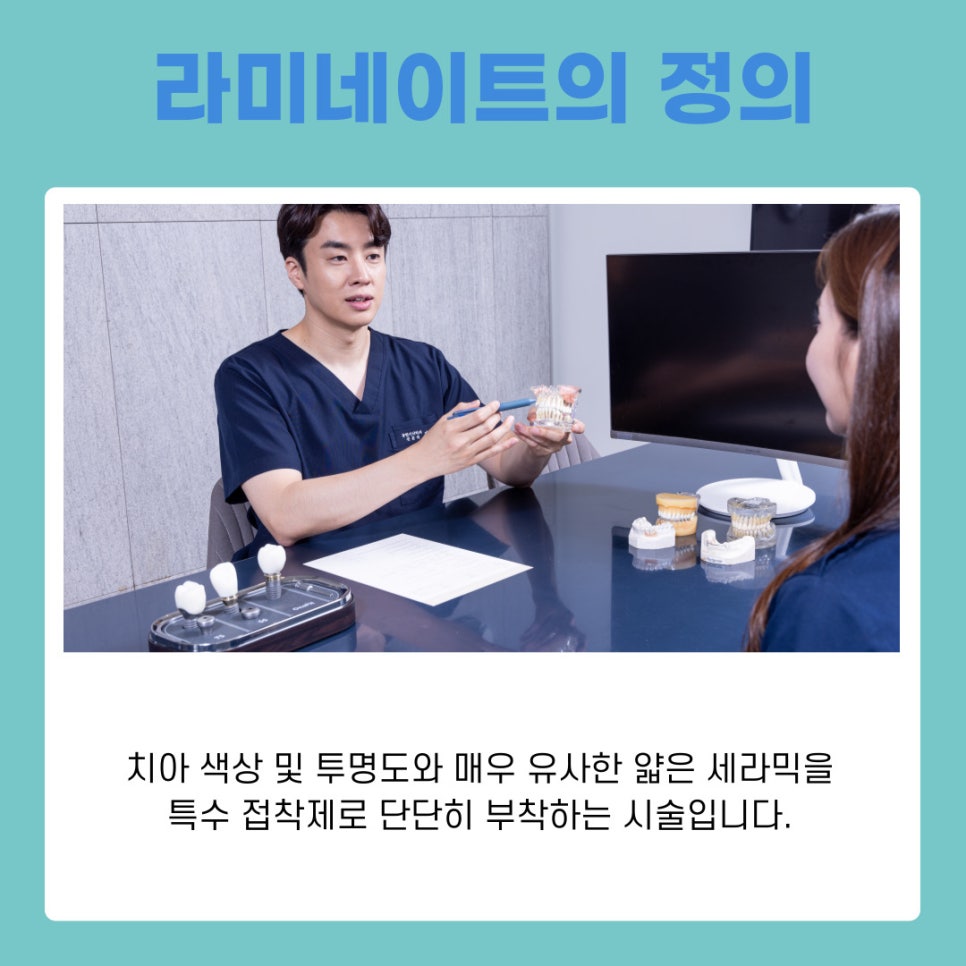
Veneers are a procedure in which the front surface of a tooth is minimally shaped or polished within the medically necessary range, after which a thin ceramic material closely matching the color and translucency of the tooth is firmly bonded with a special adhesive.
Although the procedure is sometimes understood as being similar to attaching artificial fingernails, it is a specialized area of dental restorative care requiring a high degree of precision and medical expertise because the veneers must withstand strong chewing forces in the mouth and are directly related to the longevity of permanent teeth.
Who Is Recommended for Veneer Treatment?
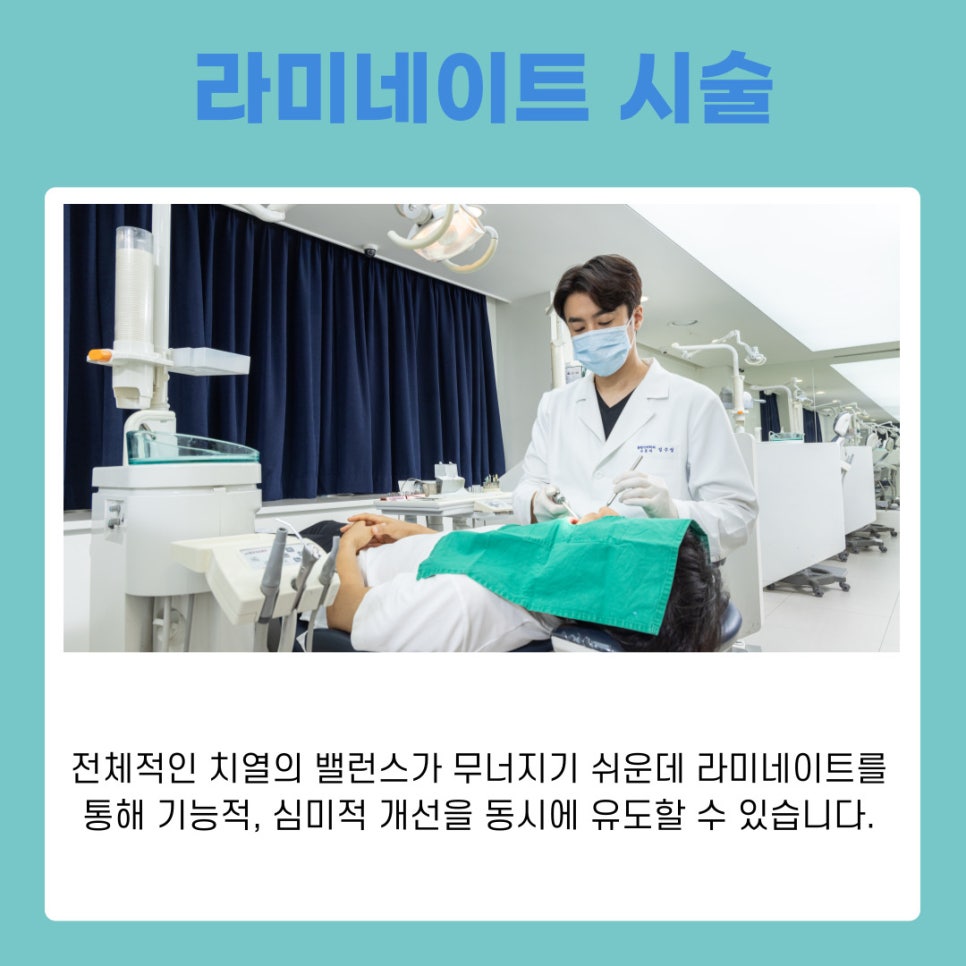
This includes cases in which the teeth are abnormally small or large, such as undersized or oversized teeth, and are not in harmony with the surrounding teeth.
In particular, patients whose lateral incisors next to the front teeth are congenitally very small may easily develop an imbalance in the overall alignment of their teeth. Veneers can help pursue both functional and aesthetic improvement at the same time.
No-Prep Veneers
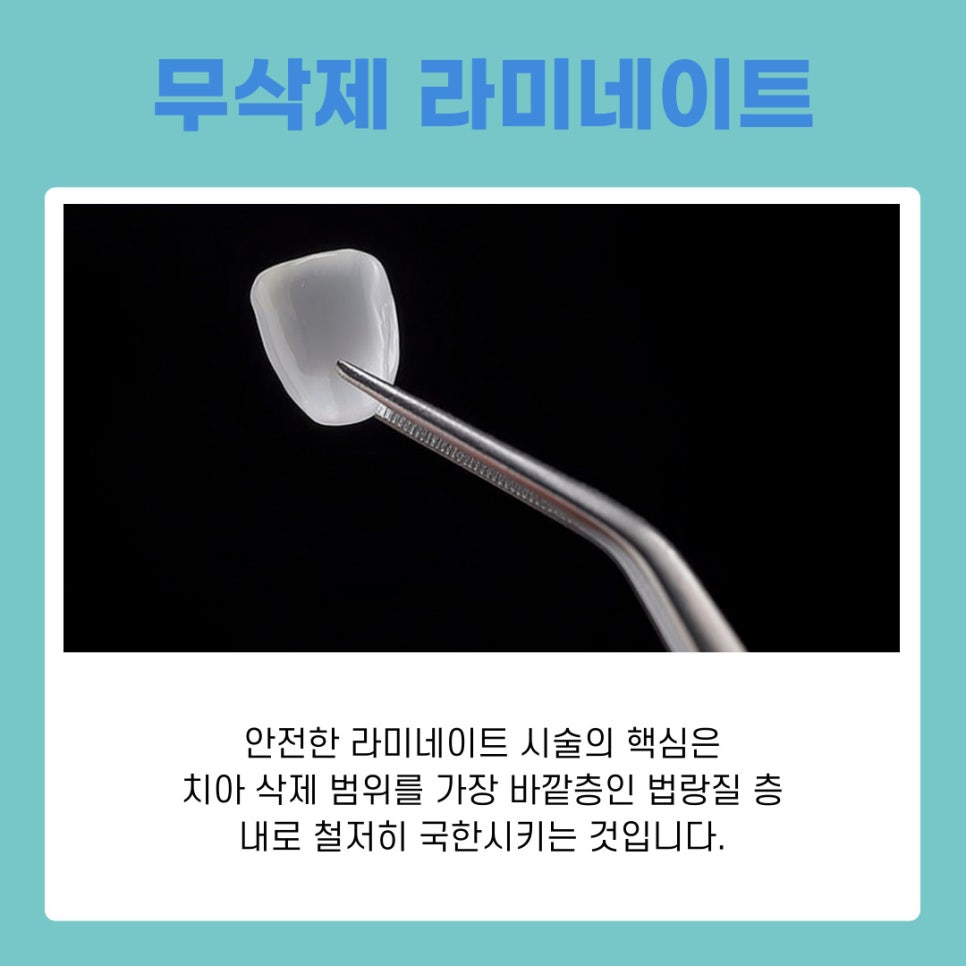
The structure of a tooth consists of hard enamel on the outermost layer, dentin underneath it, and nerve tissue in the center.
The key to safe veneer treatment is to strictly limit the amount of tooth reduction to the outermost enamel layer.
If excessive reduction extends beyond the enamel into the dentin, the nerves inside the tooth may be stimulated, potentially causing persistent sensitivity or pain after the procedure and weakening the tooth itself.
Digital Diagnosis
To ensure successful and stable veneer treatment, the dental clinic’s diagnostic infrastructure and laboratory system should be carefully compared and evaluated.
Restorations with insufficient precision can create microscopic gaps at the margins between the restoration and the natural tooth, leading to secondary cavities or gum inflammation.
To prevent this, clinical practices should actively use advanced digital precision equipment, such as 3D intraoral scanners and high-resolution CT systems.
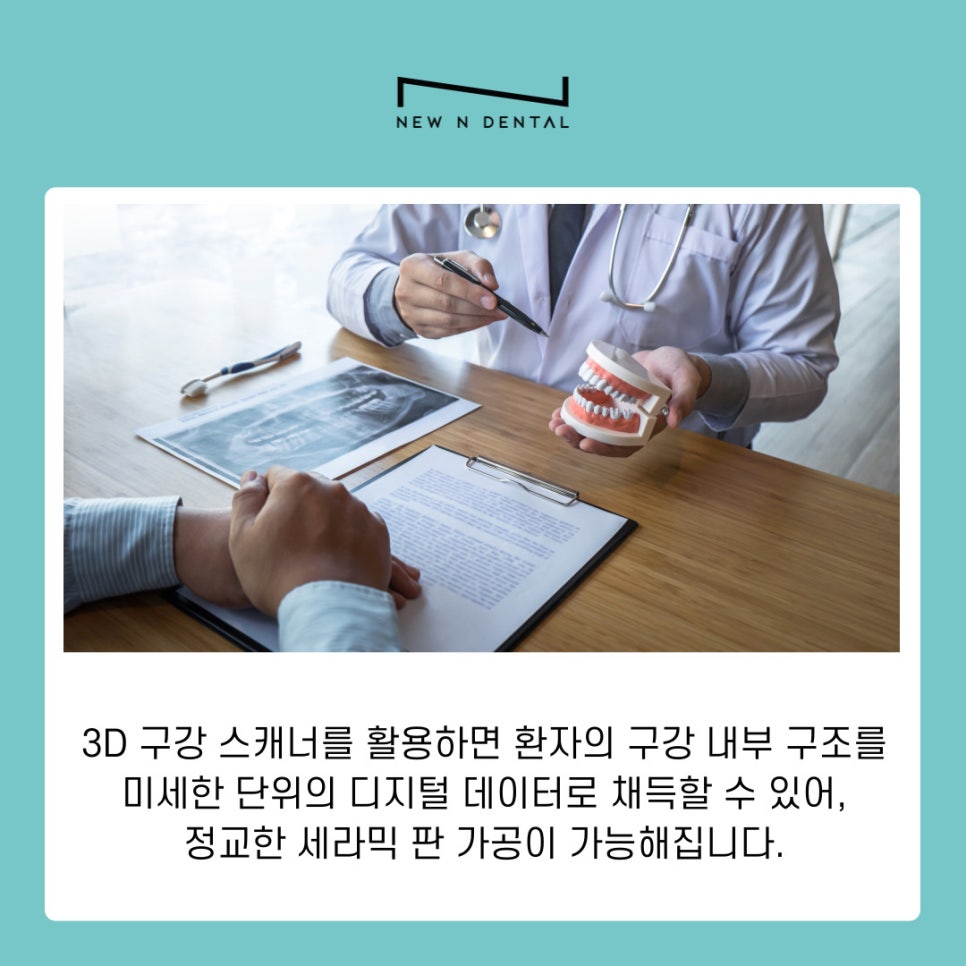
A 3D intraoral scanner can capture the internal structure of a patient’s mouth as highly detailed digital data, enabling the fabrication of precisely crafted ceramic shells.
In addition, computer simulations before treatment can be used to predict the post-treatment occlusion and facial harmony in advance, helping prevent mechanical errors that could cause the restoration to fracture or come loose.
Post-Treatment Care
Ceramic is strong against compressive forces but has physical properties that make it vulnerable to tensile forces caused by sideways twisting or strong impacts.
Therefore, biting down hard on ice with the front teeth or strongly biting foods with bones or tough foods such as dried squid can directly cause the ceramic shell to fracture or come loose.
Patients with oral habits such as teeth grinding or clenching during sleep should consult their medical team about wearing an oral protective device to distribute excessive loads placed on the restorations.
Q. What causes sensitivity after veneer treatment?
A. Immediately after treatment, the nerves may temporarily become sensitive during the process of shaping the tooth surface, so mild irritation may be felt when consuming cold water or hot foods. This generally subsides gradually as the nerves adapt over several days to several weeks.
If sensitivity persists for an extended period, the dentin or nerve layer may have been stimulated by excessive tooth reduction. In that case, you should promptly receive a detailed examination from your primary dentist.