This post was written directly by Gangnam Newen Dental Clinic and
strictly complies with Article 56 of the Medical Service Act and
regulations related to medical advertising review
by providing medical information through hospital and clinic blog content
that may be helpful to an unspecified number of patients.
Gangnam Implant Dental Clinic
Understanding the Treatment Process
| Summary |
|---|
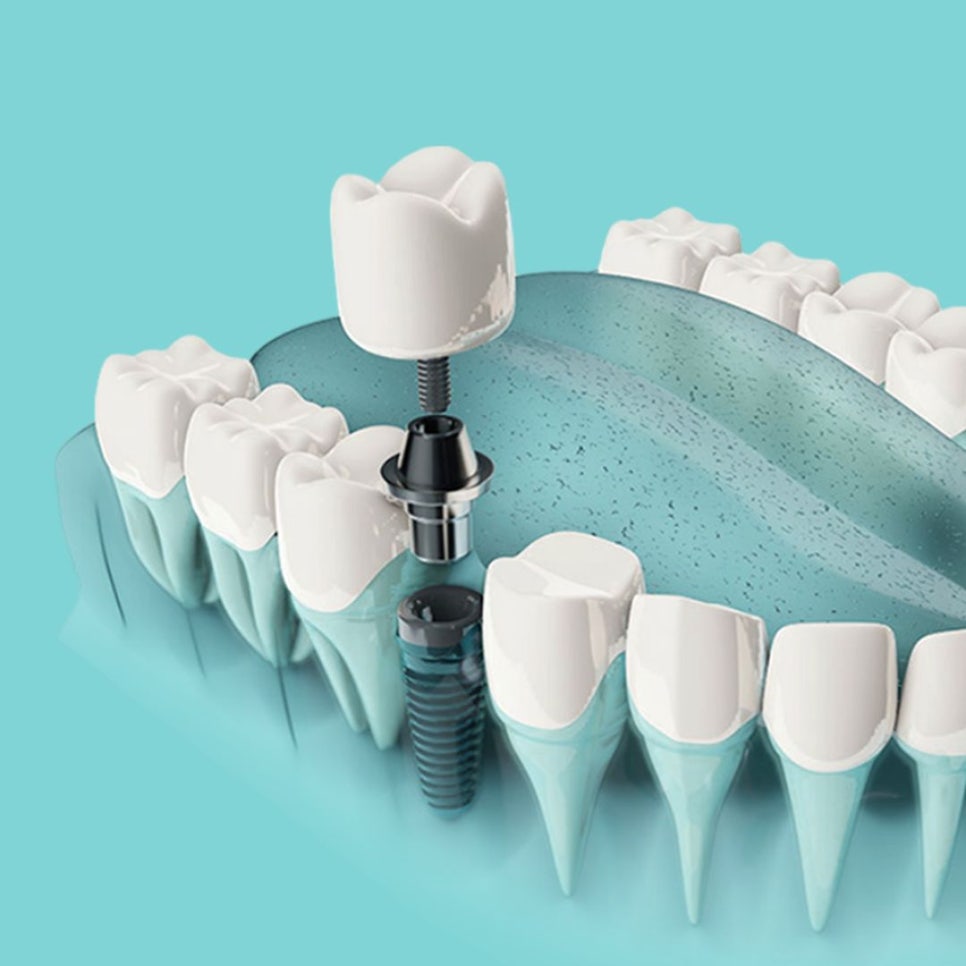
| 1. An implant procedure involves placing an artificial tooth root in the area where a tooth has been lost and connecting a prosthesis to recreate the function and shape of a natural tooth. |
| 2. For successful placement, digital equipment such as 3D CT must be used to precisely analyze the density of the jawbone and the location of the nerve canal. |
| 3. Even after completion, follow-up care with regular scaling and checkups is necessary to help prevent complications such as peri-implantitis. |

Hello,
This is Newen Dental Clinic.
Permanent teeth are body tissues that are essential not only for chewing food and obtaining nutrients, but also for producing accurate speech and maintaining the shape of the face.
However, situations may arise in which a tooth must be extracted because of severe periodontal disease (gum disease), deep decay, or unexpected trauma.

Previous image
Next image
Once lost, permanent teeth do not naturally regenerate. If the missing tooth is left untreated, the surrounding teeth may tip into the empty space, or the opposing teeth may over-erupt, disrupting the overall balance of the mouth. An implant is a widely used prosthetic procedure to replace the missing tooth.
Steps in the Implant Procedure
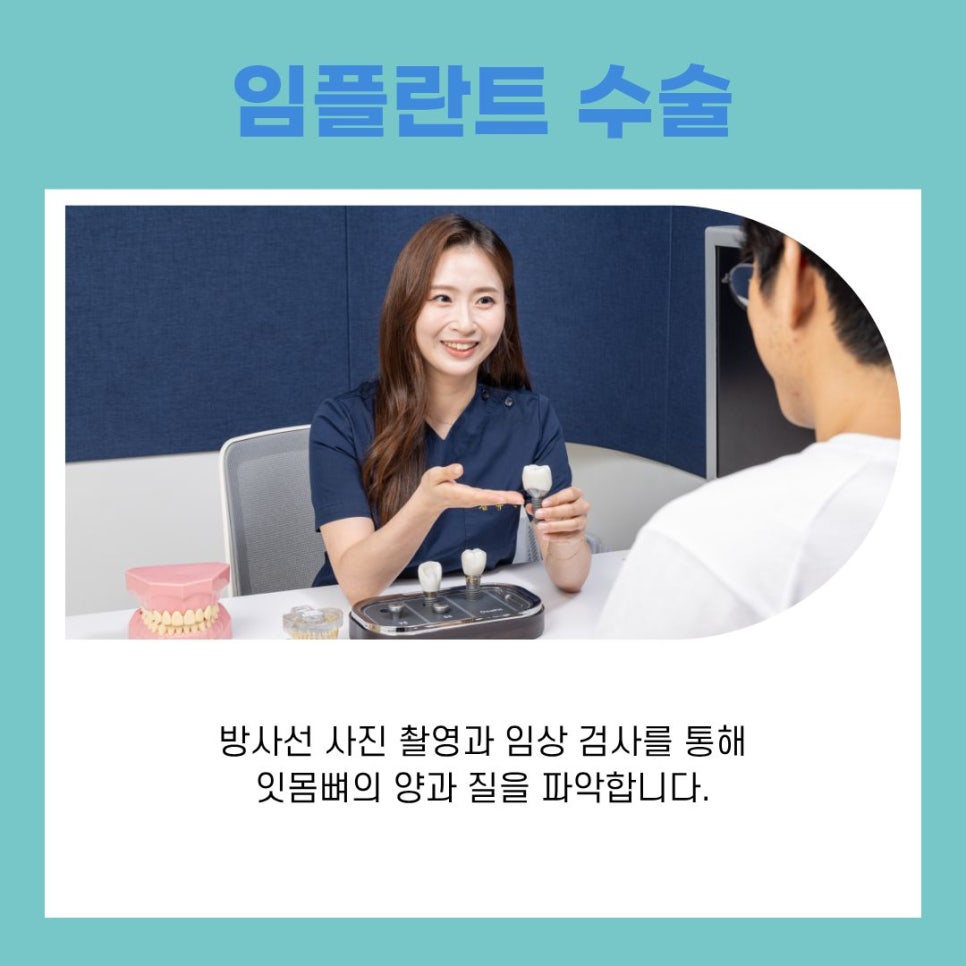
The amount and quality of the jawbone are assessed through radiographs and a clinical examination. If the bone needed to support the artificial tooth root is found to be insufficient due to chronic periodontitis or another cause, the bone’s thickness and height must first be secured through preparatory procedures such as bone grafting or sinus lifting before implant placement.
After anesthesia, the gum is incised, and the titanium fixture is precisely embedded in the jawbone at the planned position and angle. Following surgery, a period of osseointegration, during which the placed fixture firmly bonds with the jawbone at the cellular level, is essential.
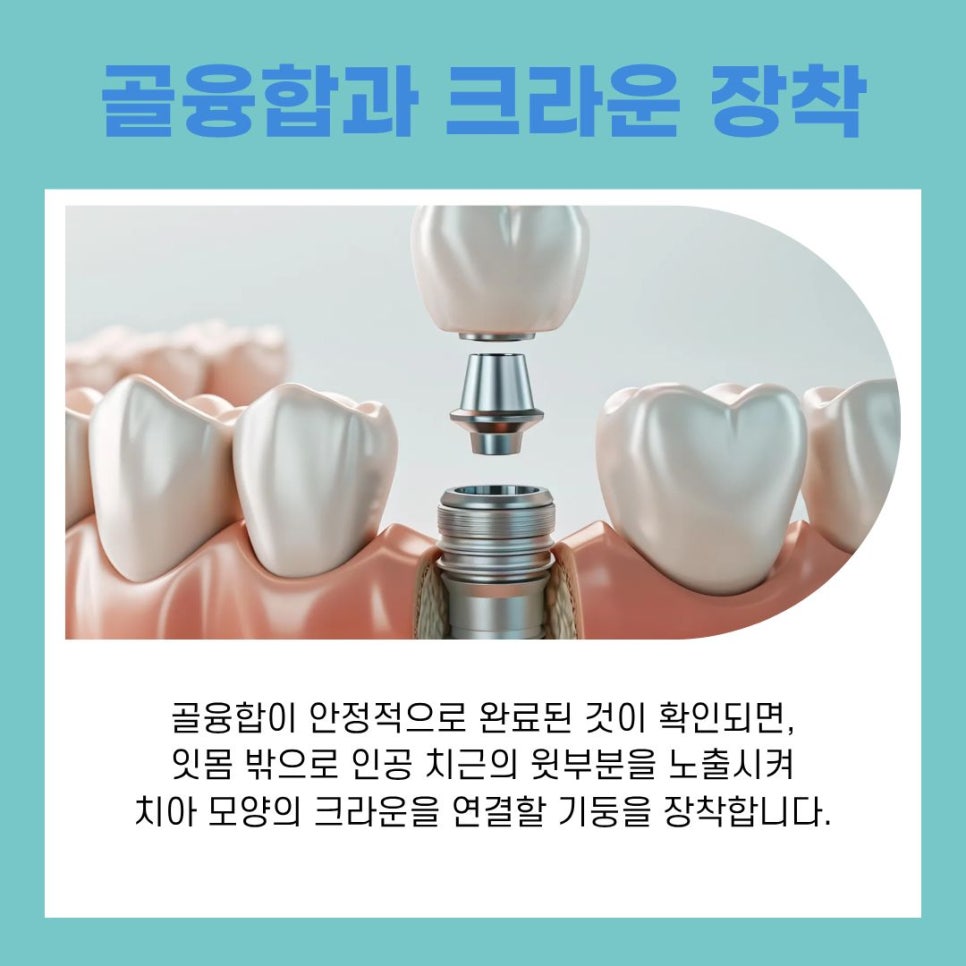
Once stable osseointegration has been confirmed, the upper part of the artificial tooth root is exposed through the gum, and an abutment is attached to support the tooth-shaped crown.
The oral structures are then scanned or molded, and the final prosthesis is made by taking into account the color and shape of the surrounding teeth as well as the bite between the upper and lower teeth. The prosthesis is securely connected, completing the overall treatment process.
Importance of Digital Diagnostic Equipment
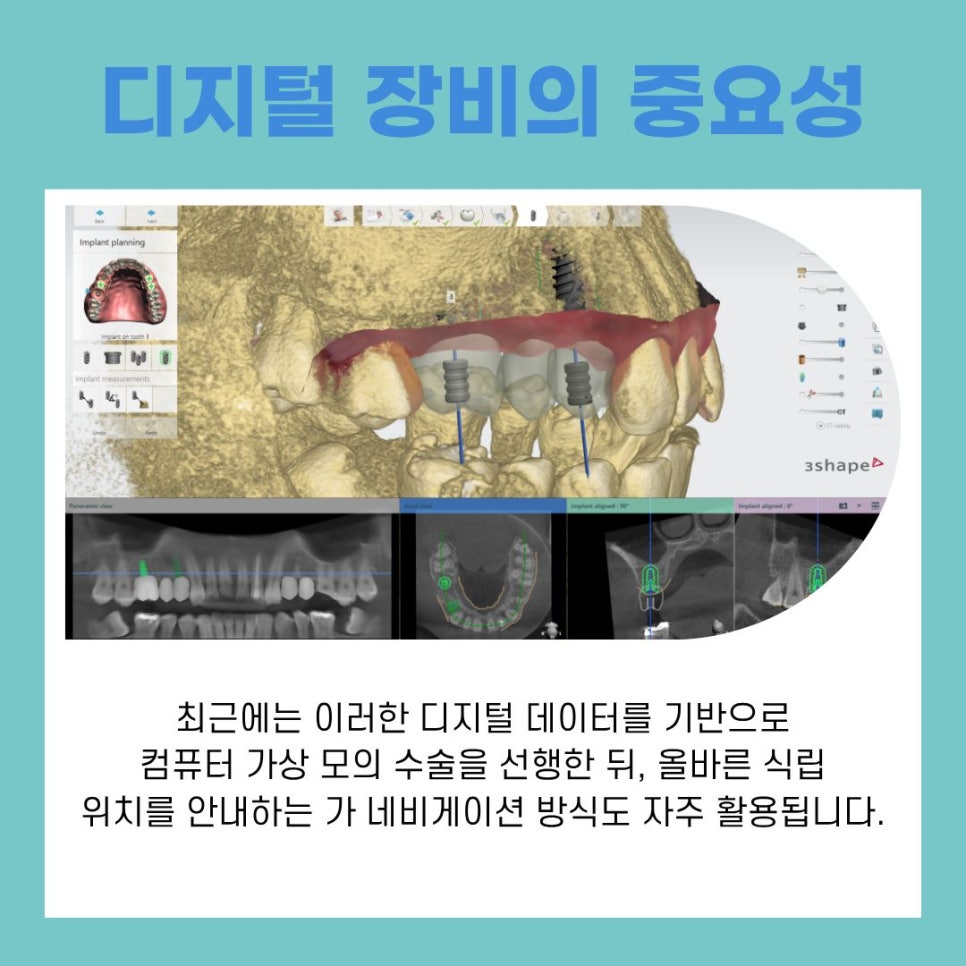
Standard digital equipment includes three-dimensional CT (3D CT) and an intraoral scanner. Unlike conventional flat 2D X-rays, 3D CT produces three-dimensional images of the teeth and bone tissue. This can help reduce in advance the risk of serious surgical complications that may occur during the procedure, such as nerve damage or sinus perforation.
Recently, a navigation implant technique has also been frequently used in clinical practice. With this approach, computer-based virtual surgery is first performed using digital data, after which a surgical guide is made to indicate the correct implant placement position.
Because this technique reduces the extent of gum incisions and can help alleviate postoperative pain, swelling, and bleeding, it may be a useful medical alternative for older patients with systemic conditions such as diabetes or high blood pressure.
Follow-Up Care to Extend Implant Longevity
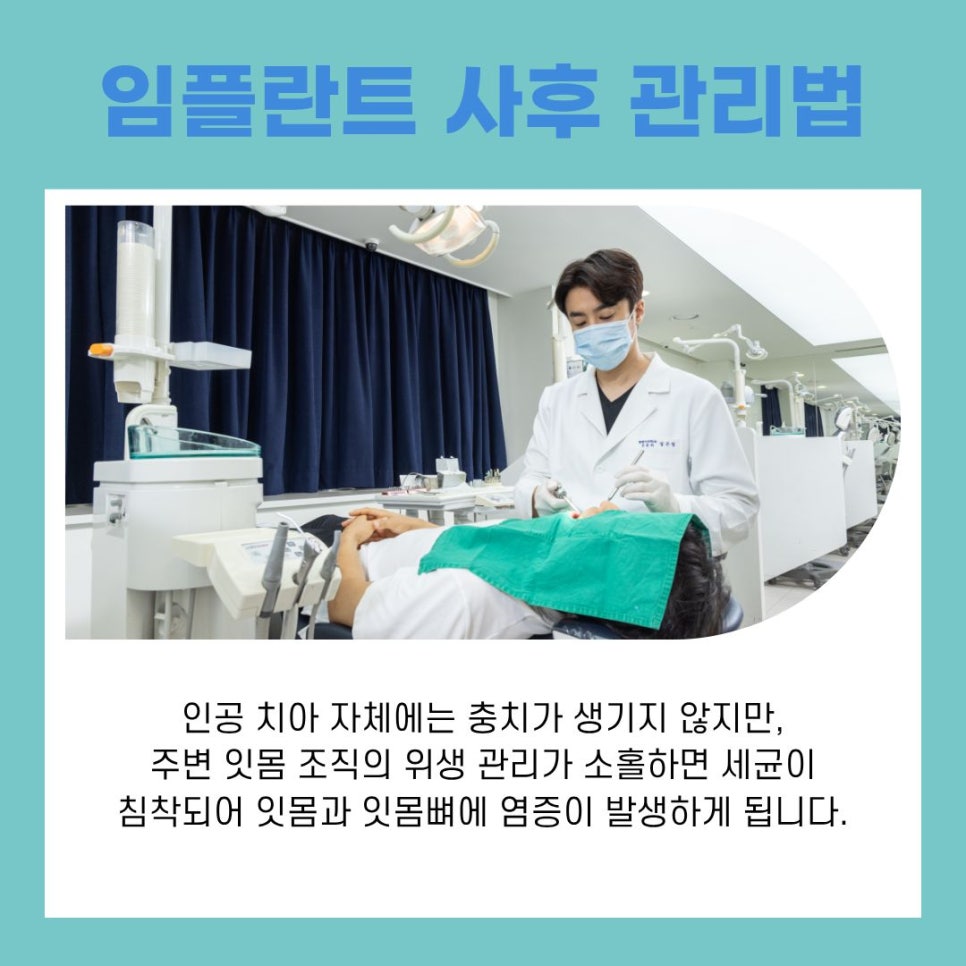
The medical complication requiring the greatest attention is peri-implantitis. Although the artificial tooth itself does not develop cavities, inadequate hygiene around the surrounding gum tissue can allow bacteria to accumulate and cause inflammation in the gums and jawbone.
In particular, unlike natural teeth, implants do not have periodontal ligament tissue that helps prevent the spread of inflammation, and they lack nerves. As a result, even when inflammation causes the jawbone to break down, many people may not experience noticeable pain until the condition reaches an advanced stage.
By the time symptoms are noticed, the fixture may already be loose, potentially requiring reoperation.

Therefore, in daily life, in addition to regular toothbrushing, interdental brushes, dental floss, and an oral irrigator (Waterpik) should be used in combination to thoroughly remove plaque from the boundary between the implant and the gums.
Ceramic crowns are also vulnerable to sideways twisting forces. Habits such as biting down on hard ice or chewing tough foods forcefully should therefore be avoided, as they can cause the prosthesis to fracture or the screw to loosen.
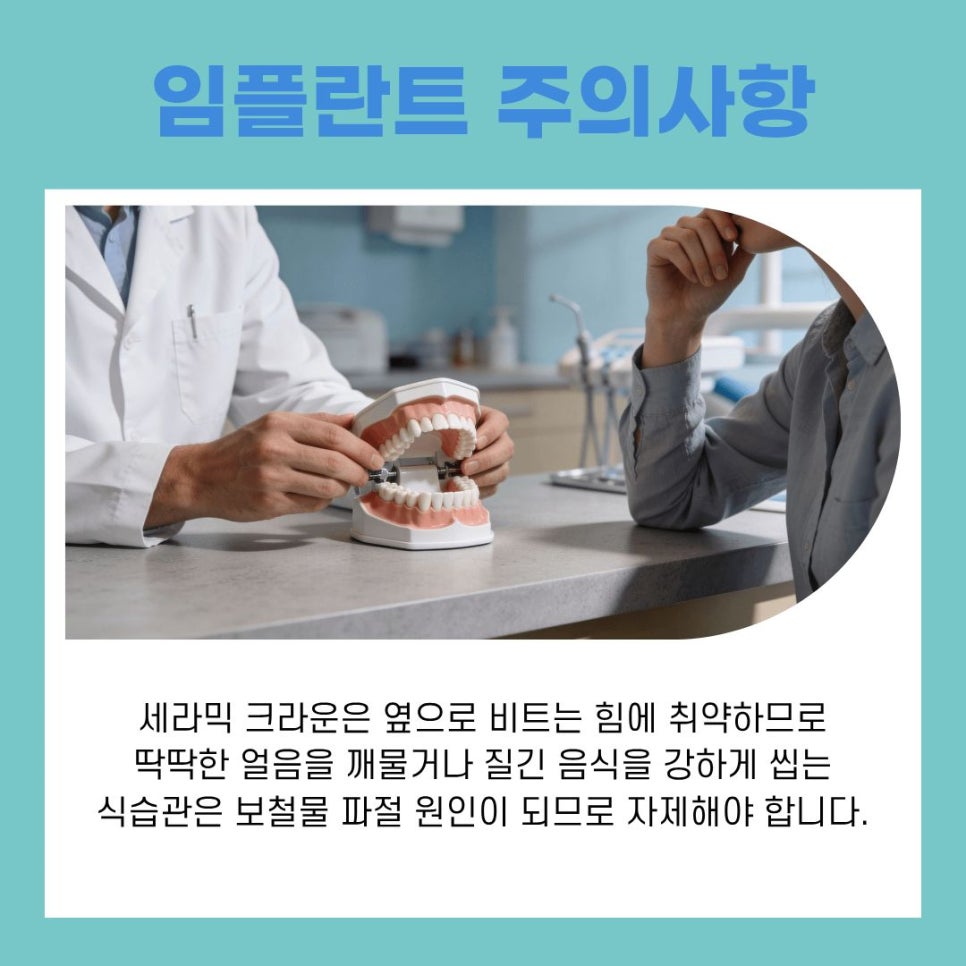
Even after treatment, long-term stability of the prosthesis can be maintained only when follow-up care is provided through regular dental visits to check the prosthesis’s occlusion and perform thorough scaling around the gums.
Q. Can older patients with systemic conditions such as diabetes or high blood pressure also receive implants?
A. Yes, they can. Compared with the past, medical technology and equipment have advanced, so treatment may be possible even with a systemic condition if the relevant health measurements are being managed stably.
However, patients with diabetes may have reduced wound-healing ability and may be more susceptible to infection. Patients with high blood pressure or cardiovascular disease may have difficulty achieving hemostasis during surgery because of anticoagulant medications such as aspirin that they are taking.
Therefore, before surgery, a collaborative consultation with the patient’s internal medicine physician should take place to temporarily discontinue or adjust medications, and a surgical protocol that minimizes surgical stimulation should be selected.