This post was written directly by Gangnam Newen Dental Clinic and
provides medical information that may be helpful to a wide range of patients through its clinic blog content,
in strict compliance with Article 56 of the Medical Service Act and
regulations related to medical advertising review.
Post-Treatment Care for Teeth Whitening in Samseong-dong
| Summary |
|---|
| 1. Teeth whitening is a procedure that uses high-concentration whitening agents and special light to break down discoloration inside the teeth and restore their natural brightness. |
| 2. It may be a medical alternative for people whose teeth have become dark due to frequent consumption of staining foods such as coffee and wine or due to aging. |
| 3. Because temporary tooth sensitivity may occur after the procedure, patients should choose a dental system that provides thorough gum protection. |

Hello,
This is Newen Dental Clinic.
A neat, bright smile is one of the visual elements that can create a positive impression in modern society, where face-to-face communication is frequent.
However, over time, permanent teeth tend to gradually become darker and more yellow due to various external environmental factors and biological changes.


Previous image
Next image
Because it is difficult to restore this discoloration to its original color through brushing alone, teeth whitening is a treatment that removes pigments from the surface and interior of the teeth through a dentally safe procedure.
Causes of Tooth Discoloration
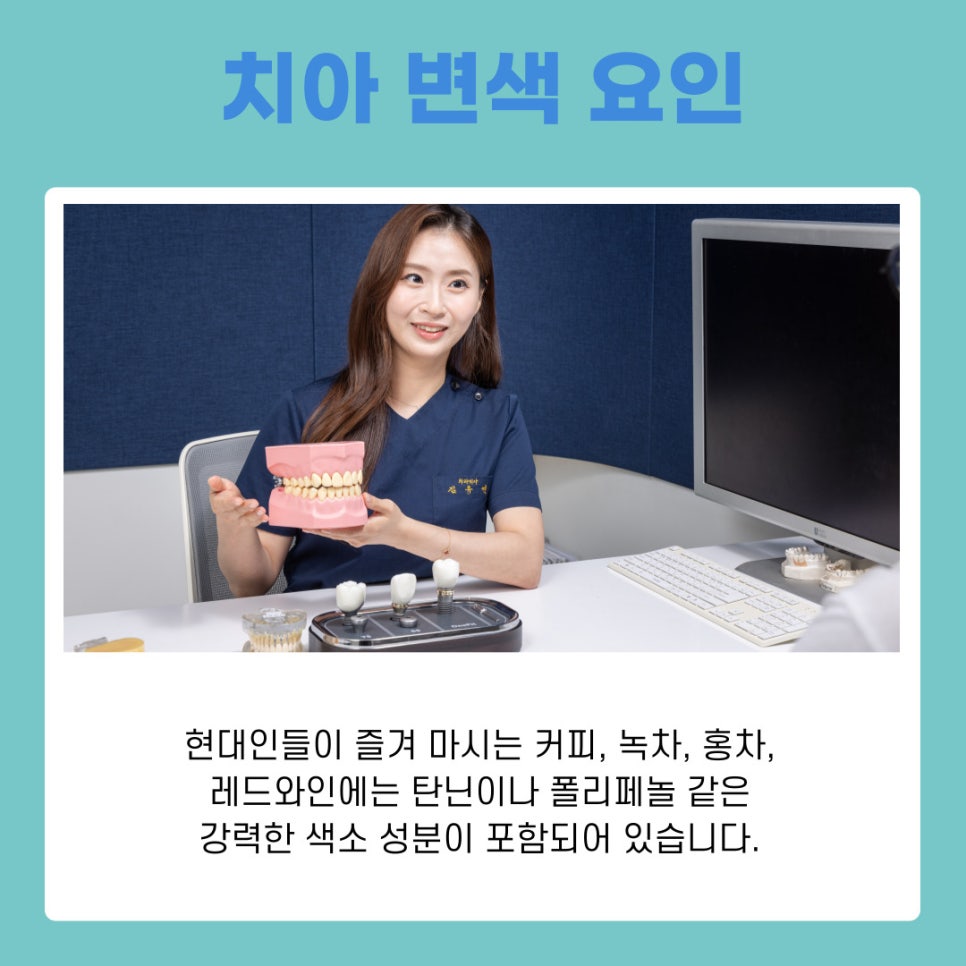
Coffee, green tea, black tea, and red wine, which are commonly consumed by people today, contain powerful pigments such as tannins and polyphenols.
When these substances seep into and accumulate in the tiny pores on the tooth surface, the teeth gradually become yellow.
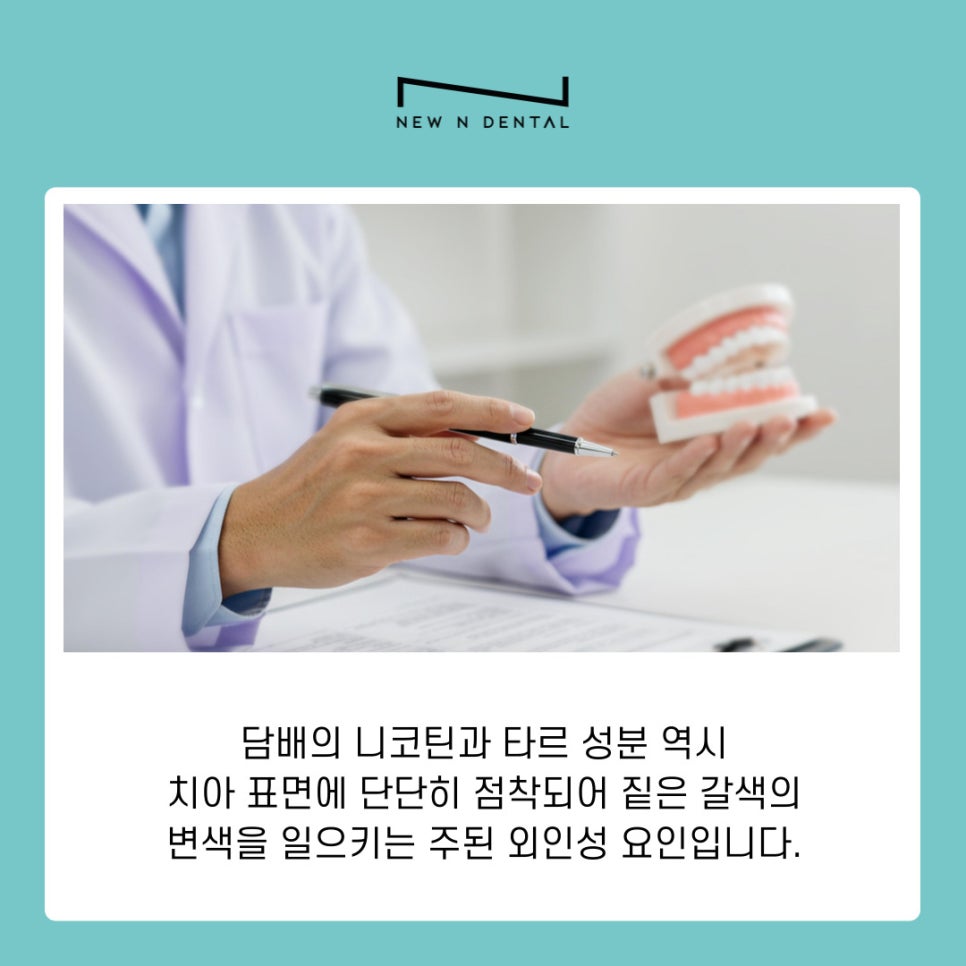
In addition, the nicotine and tar in cigarettes adhere firmly to the tooth surface and are major external factors that cause dark brown discoloration.
As people age, the transparent enamel on the outside of the teeth gradually wears down and becomes thinner through years of chewing, while the yellowish dentin underneath becomes thicker, making the teeth appear darker and more yellow overall.
In addition, intrinsic discoloration may occur when a person takes excessive amounts of certain antibiotics during infancy or when trauma to a tooth causes the nerve inside it to become necrotic, resulting in a dark reddish discoloration. The suitability of whitening treatment for this type of discoloration must be determined through a detailed dental examination.
Professional Whitening
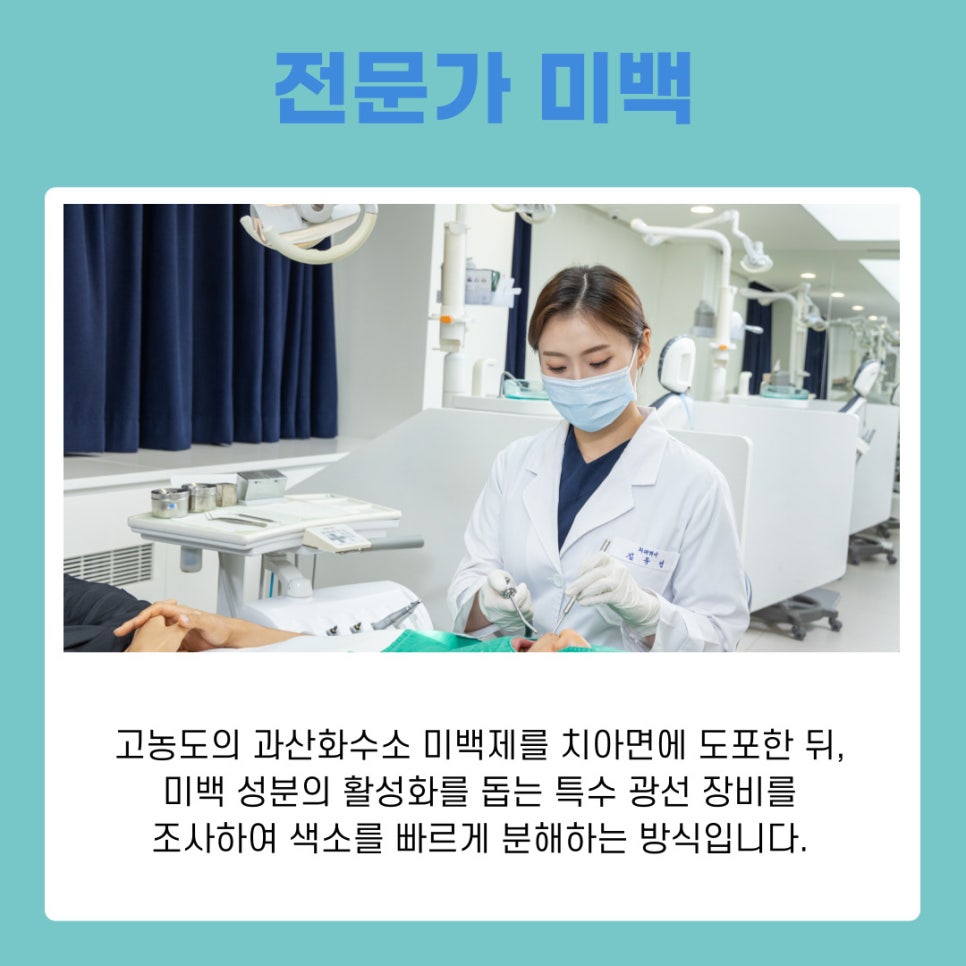
Professional whitening involves applying a high-concentration hydrogen peroxide whitening agent to the tooth surfaces at a dental clinic and then using special light equipment to activate the whitening ingredients and rapidly break down pigments.
Because a dental professional thoroughly applies a special dam to protect the patient's gums before performing the procedure, it offers a high level of safety. In most cases, a session lasting about one hour during a single visit can produce a noticeable improvement in brightness over a short period. It is particularly popular among office workers near Samseong-dong who have limited free time.
Post-Treatment Care and Lifestyle Guidelines
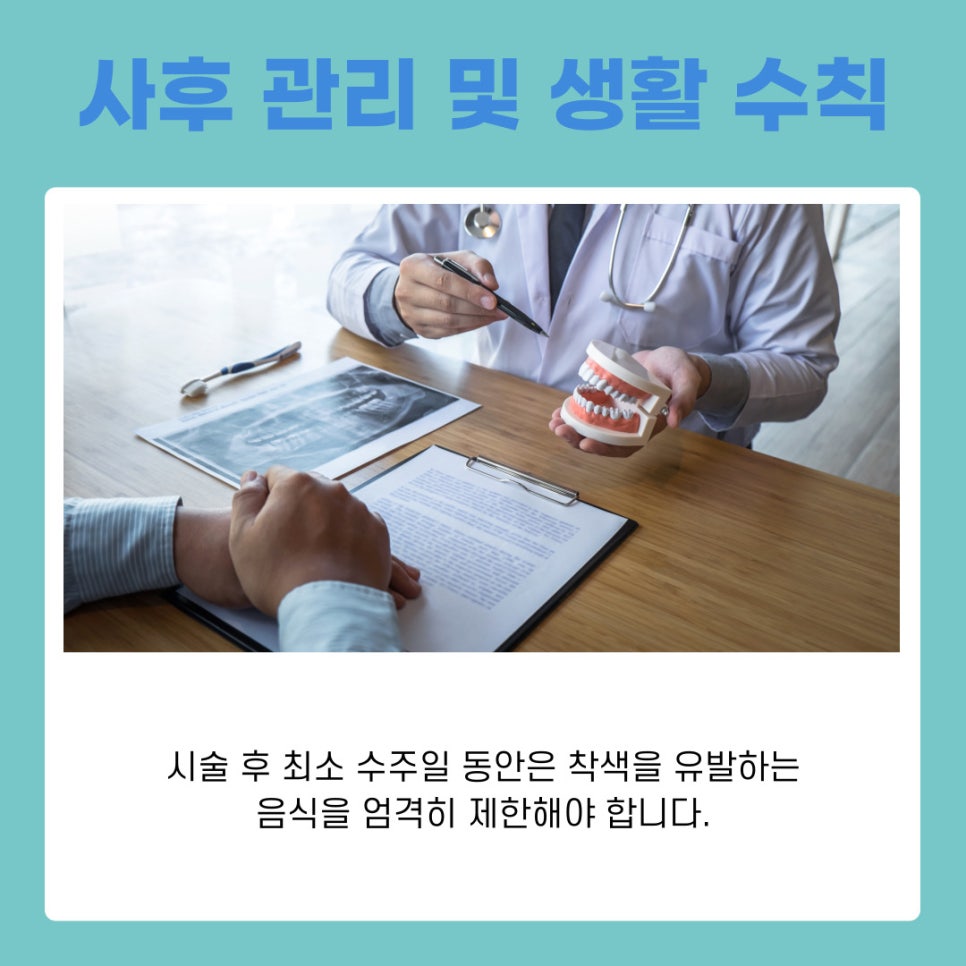
For at least several weeks after the procedure, foods that cause staining should be strictly limited. It is advisable to avoid strongly colored foods such as curry, black bean sauce noodles, and kimchi stew, as well as beverages such as coffee, cola, and red wine.
When it is unavoidable to drink such beverages, using a straw may be a helpful medical tip to reduce direct contact between the beverage and the tooth surfaces.
In addition, after eating, you should rinse your mouth with water and brush your teeth as soon as possible, before the pigments settle onto the teeth.
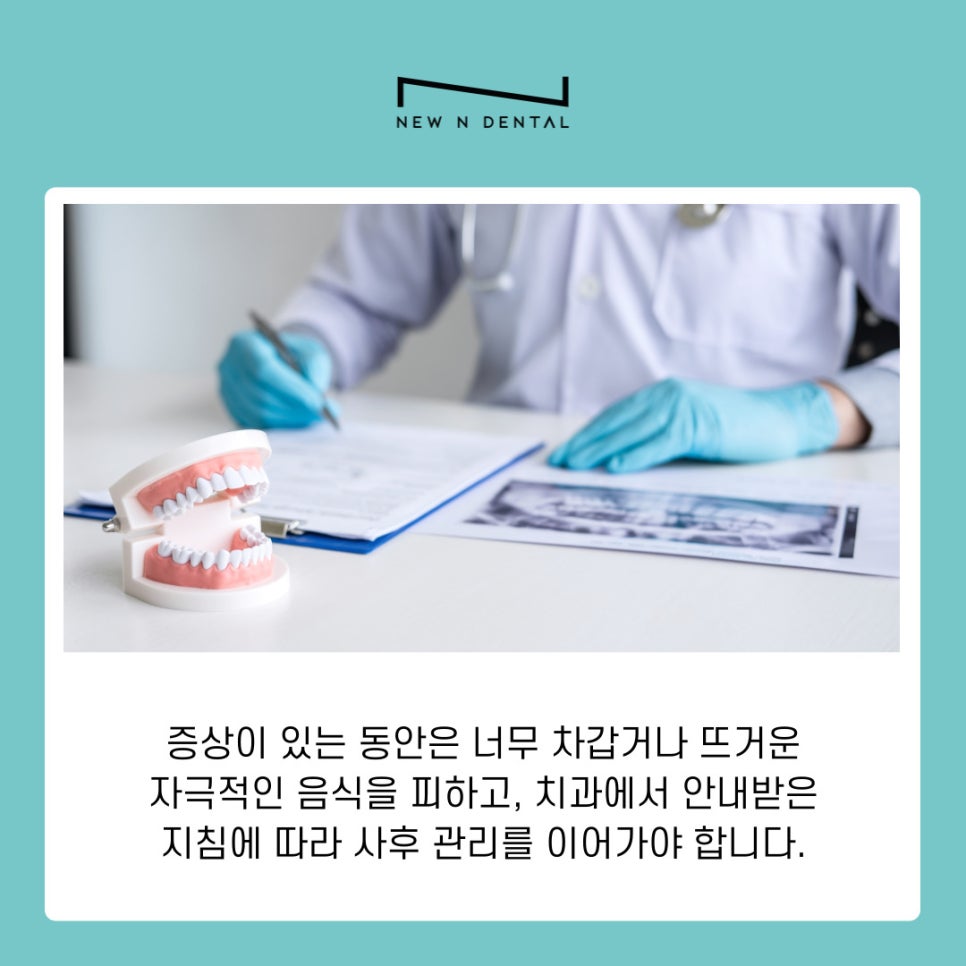
You should respond appropriately to temporary tooth sensitivity that occurs immediately after the procedure. During the whitening process, moisture inside the teeth may temporarily escape and the nerves may be stimulated, making the teeth sensitive to cold water or air. However, this is generally a common phenomenon that naturally disappears within 2–3 days.
While symptoms are present, avoid foods and other irritating stimuli that are too cold or hot, and continue post-treatment care according to the instructions provided by your dental clinic. Regularly visiting the dentist to check your oral hygiene and maintaining a recall system for whitening scaling is the proper way to preserve the smile you have achieved in a healthy condition for a long time.
Q. Does teeth whitening scrape or weaken the tooth surface?
A. This is medically not true at all. Genuine teeth whitening performed at a dental clinic is not a form of physical treatment that scrapes away or damages the enamel on the outside of the teeth.
The hydrogen peroxide component selectively oxidizes and breaks down only the organic pigment molecules trapped within the tooth structure through the release of oxygen, in a chemical cleansing process.
Therefore, the strength of the structure itself does not become weaker, and side effects involving damage to the bony tissue do not occur, so you may undergo an examination with confidence.