This post was written directly by Gangnam Newen Dental Clinic and
strictly complies with Article 56 of the Medical Service Act and
regulations related to medical advertising review,
providing medical information through clinic blog content
that may be helpful to patients at large.
Gangnam Station Dental Implants
Surgery Process and Care Methods
| Summary |
|---|
| 1. Implants are a representative alternative that can restore both function and appearance when natural teeth have been lost. |
| 2. We have summarized the key care guidelines that should be followed to reduce potential complications after the procedure and maintain the implant securely for a long time. |
| 3. We hope this will help prevent additional alveolar bone resorption caused by leaving missing teeth untreated and help restore a healthy oral environment. |

Hello,
This is Newen Dental Clinic.
Teeth not only provide the pleasure of chewing food but also play an essential role in clear pronunciation and maintaining the overall balance of the face.


Previous image
Next image
However, if teeth are lost due to inadequate care or external impact, the result may go beyond simply leaving an empty space and cause the surrounding teeth to collapse one after another like dominoes.
Structure and Role of an Artificial Tooth
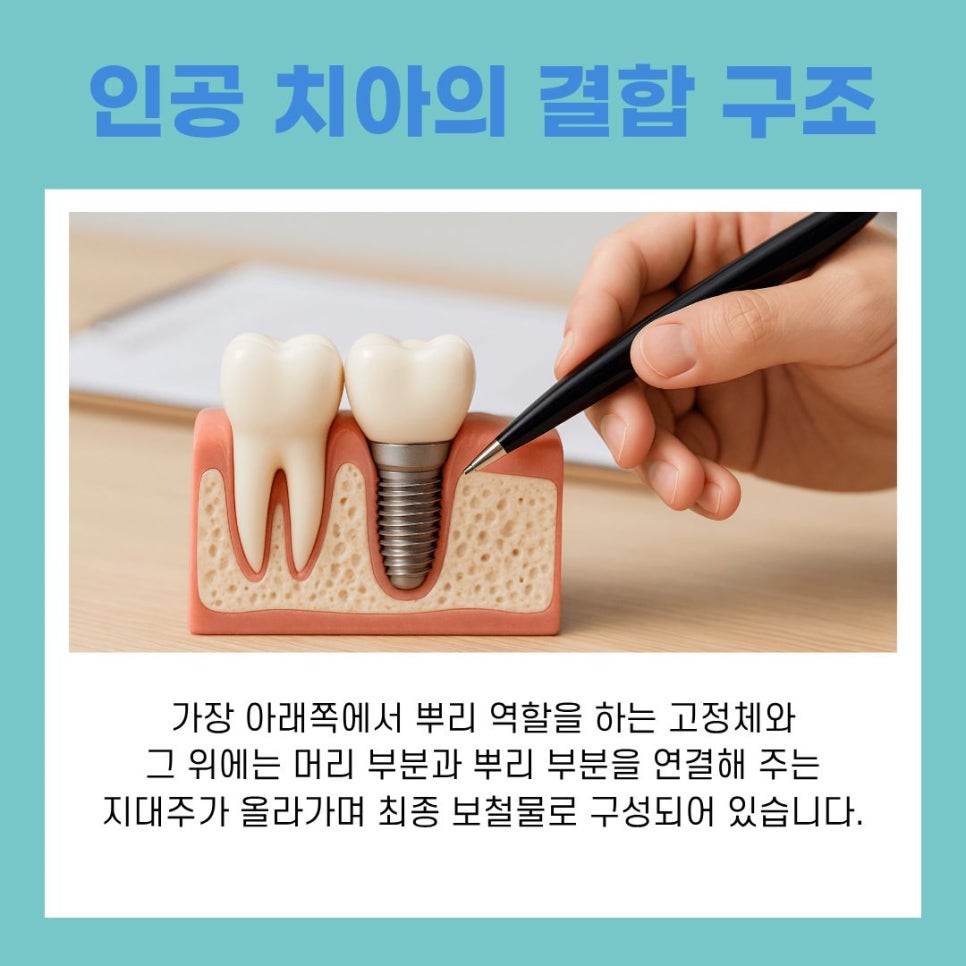
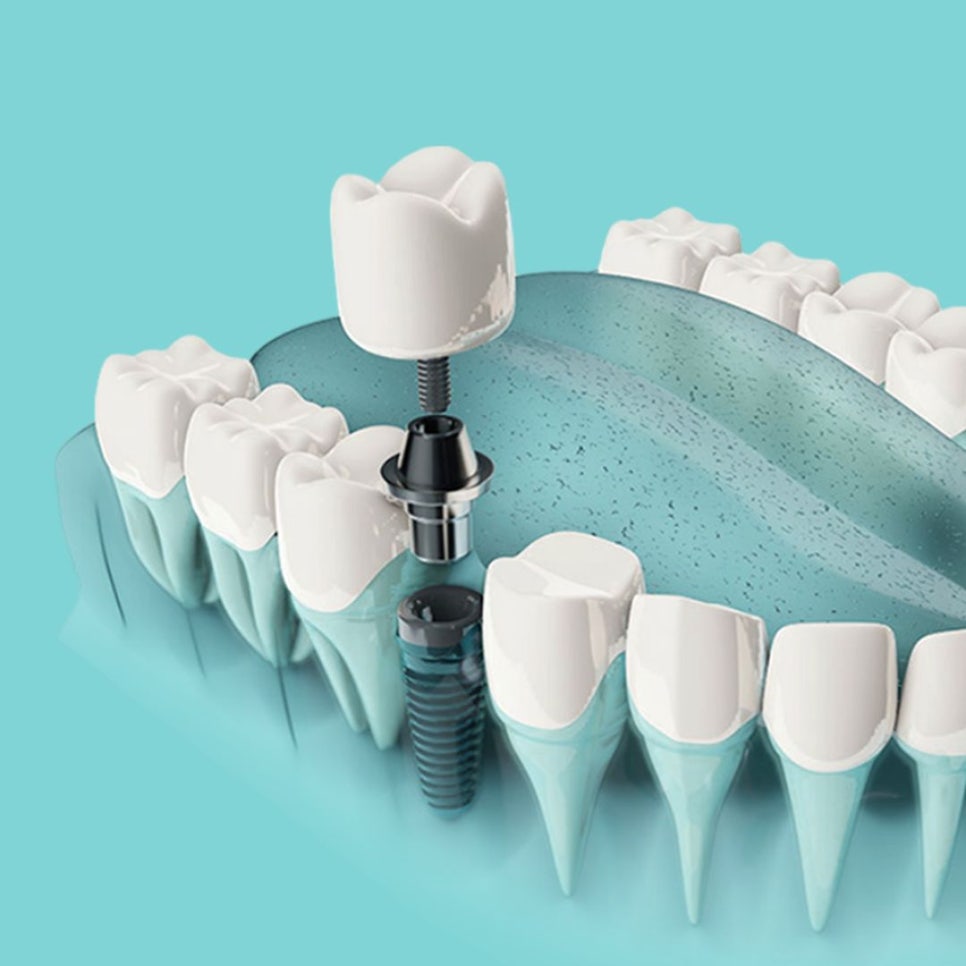
The structure of an artificial tooth can be broadly divided into three parts, each with a clearly distinct role. The fixture, which serves as the root at the bottom, is made of biocompatible titanium and is placed directly inside the jawbone.
The process in which this fixture firmly bonds with the jawbone can be considered the most important stage determining the success or failure of the entire treatment.
An abutment is placed on top of it to connect the crown and root portions. Finally, a tooth-shaped prosthesis that is visible to the eye is fitted, completing the restoration.
Surgical Process from Precise Diagnosis to Implant Placement
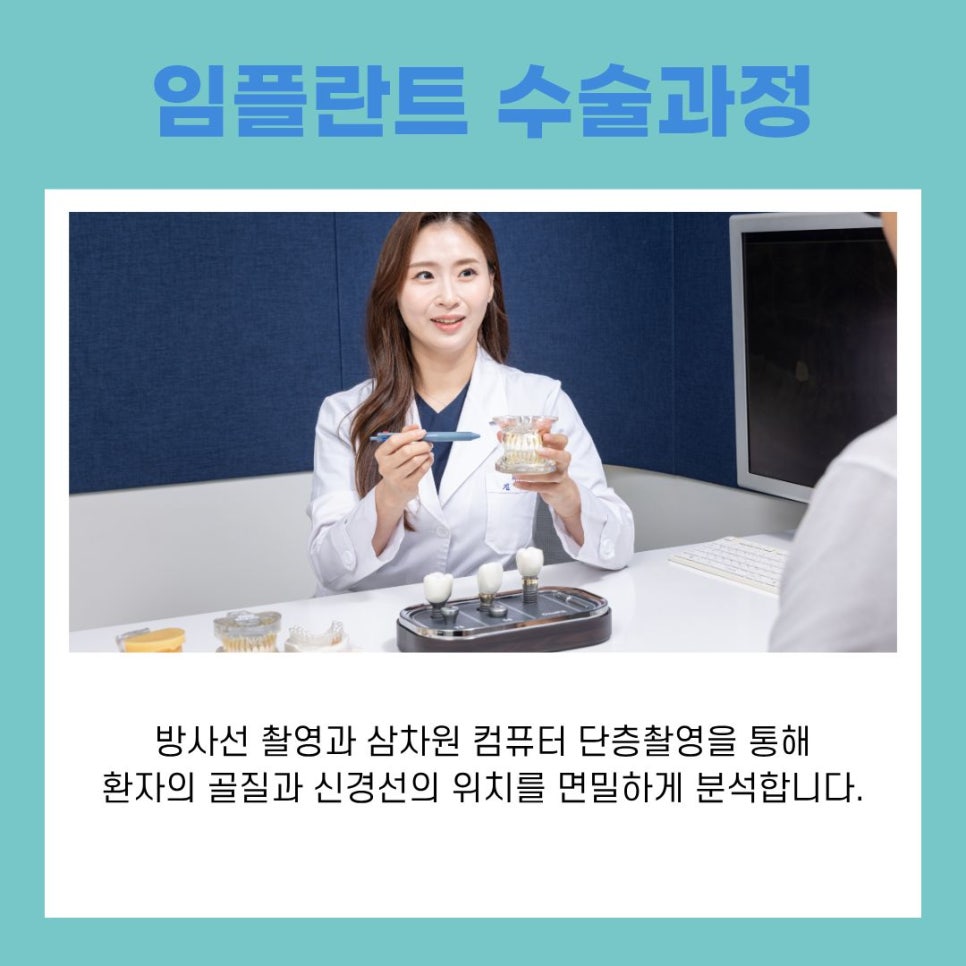
The procedure may vary somewhat depending on the individual’s oral condition and the amount of jawbone available, but it generally begins with a precise diagnosis and proceeds carefully through several stages.
First, X-rays and three-dimensional computed tomography are used to carefully analyze the patient’s bone quality and the location of the nerve canal. If there is sufficient jawbone, the fixture serving as the artificial root is placed in the bone during the first procedure.
If the jawbone has deteriorated and lacks sufficient thickness or height, bone grafting must first be performed to establish a firm foundation before implant placement. As a result, the overall treatment period may be longer.
Final Prosthesis Placement and the Use of Digital Technology
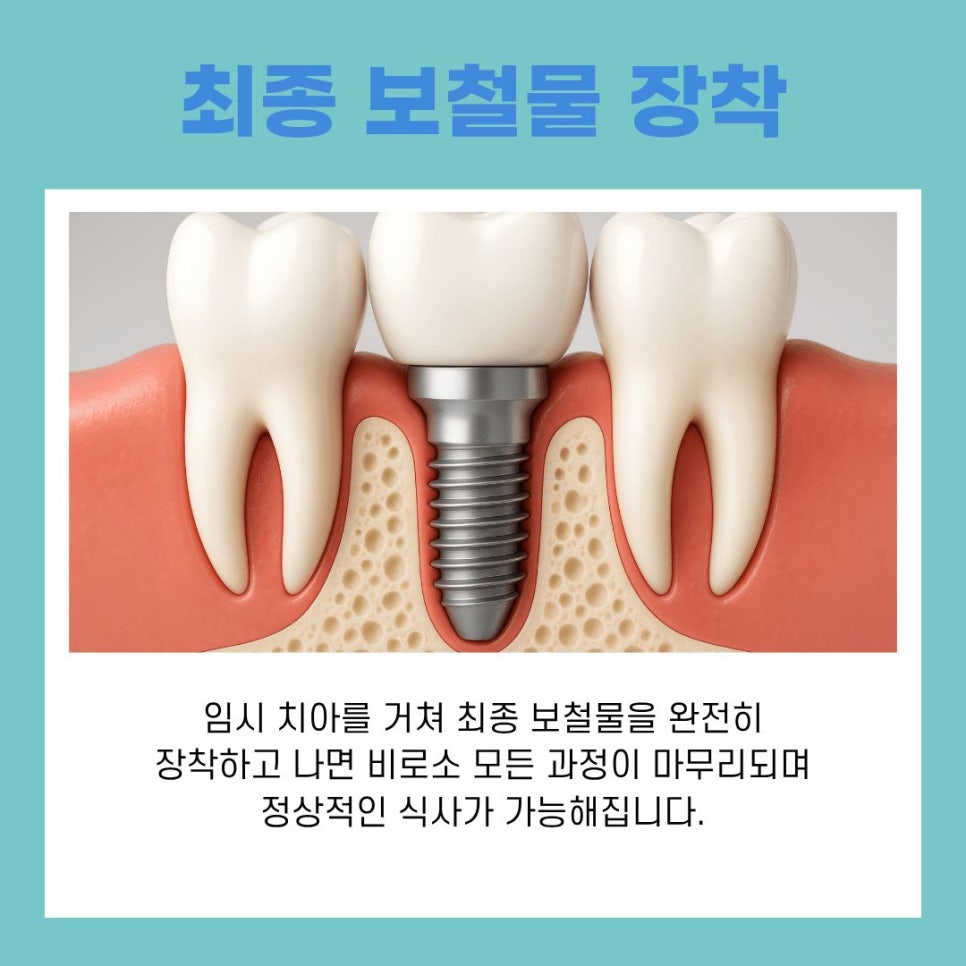
Once successful bonding with the bone has taken place, the second stage is performed by slightly opening the gum tissue and placing the abutment that connects the artificial root and crown.
After the gums heal harmoniously with the surrounding area, an impression is taken to create a custom prosthesis that blends with the color and shape of the adjacent teeth.
Once the final prosthesis has been fully placed following the temporary tooth stage, the entire process is complete, and normal eating becomes possible.
With recent technological advances, computer simulations are also widely used to determine the optimal placement path in advance and minimize incisions. As a result, the burden associated with bleeding and pain has generally been reduced compared with the past.
How to Care for Dental Implants
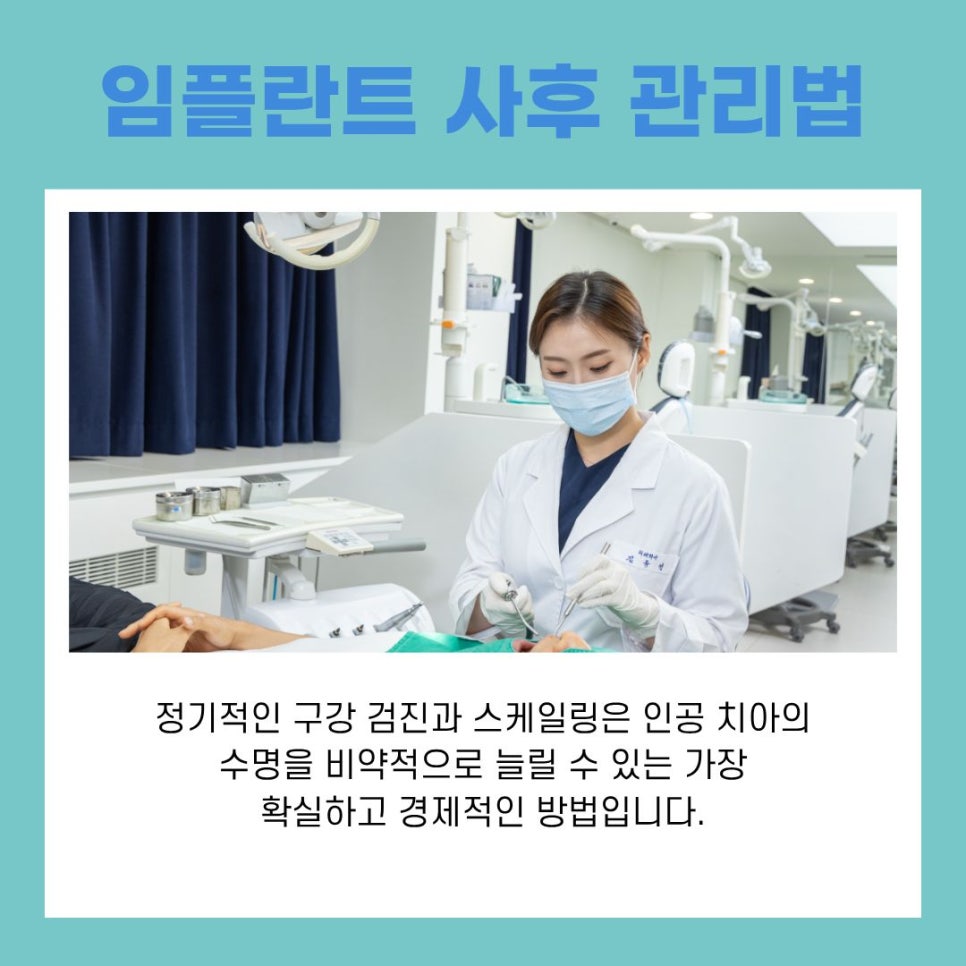
Regular oral examinations and professional teeth cleaning are the most reliable and cost-effective ways to significantly extend the lifespan of an artificial tooth.
Typically, during the first year after the procedure, it is advisable to visit the dental clinic once every three to four months. After that, regular visits at least once every six months are recommended to check whether the screw has loosened or whether minor inflammation has developed around the prosthesis.
Although titanium itself is very strong and resistant to vertically applied forces, it may be relatively vulnerable to sideways twisting forces. Therefore, it is best to avoid frequently eating tough or hard foods.
If you grind your teeth while sleeping or habitually clench your teeth, you may need to wear a protective device to prevent excessive loads from being applied.

Q. Can an artificial tooth be used permanently for life after an implant is placed?
A. It is more accurate to describe it as semi-permanent. The average lifespan is known to be approximately 10 to 15 years,
but many cases involve long-term use for more than 20 years, depending on how thoroughly the patient brushes their teeth and attends regular checkups.
Conversely, poor hygiene management may mean that the implant cannot be used for more than a few years and requires another procedure. Post-treatment care determines its lifespan.