This post was written directly by Gangnam Newen Dental Clinic and
strictly complies with 「Article 56 of the Medical Service Act and regulations related to medical advertising review」
in order to provide medical information through hospital and clinic blog content
that may be helpful to an unspecified number of patients.
A Guide to Choosing the Right Orthodontic Appliance for You
from a Yeoksam-dong Orthodontic Clinic
| Summary |
|---|
| 1. Misaligned teeth or malocclusion can cause concerns not only about chewing function but also about appearance. |
| 2. When undergoing orthodontic treatment to improve these issues, choosing an appropriate orthodontic appliance suited to each individual’s oral condition and lifestyle is especially important. |
| 3. We will explain criteria that may help with your choice by comparing the advantages of each appliance, including aesthetics and ease of maintenance. |
Hello,
This is Newen Dental Clinic.
Crooked teeth or malocclusion, in which the upper and lower teeth do not come together properly, can make it difficult to chew food evenly and may place a burden on the digestive system.

Previous image
Next image
When brushing your teeth, the toothbrush may not reach every corner, so the likelihood of cavities or gum disease may also be higher than with properly aligned teeth.
Orthodontic treatment is an excellent alternative that alleviates these functional inconveniences, helps preserve oral health over the long term, and restores a confident smile.
Metal Braces with a Long-Established Record of Stability
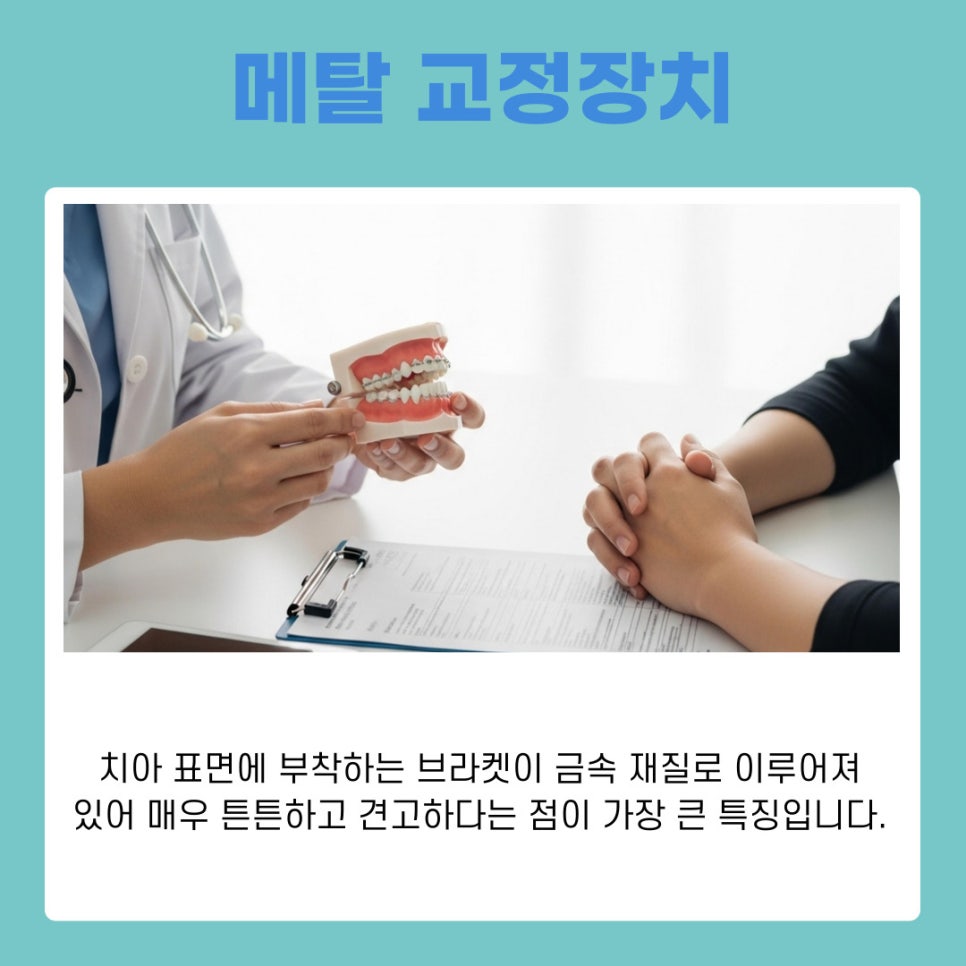
The most notable feature is that the brackets attached to the tooth surfaces are made of metal, making them very strong and durable.
Thanks to the properties unique to metal, the risk of the appliance becoming deformed or damaged is extremely low, allowing for relatively easy maintenance while eating and going about daily life.
In addition, the force used to move the teeth is transmitted efficiently, enabling precise tooth movement. Because treatment can also be carried out at a relatively economical cost, metal braces continue to be chosen by growing children and patients who prioritize efficiency.
Ceramic and Resin Appliances with Improved Aesthetics
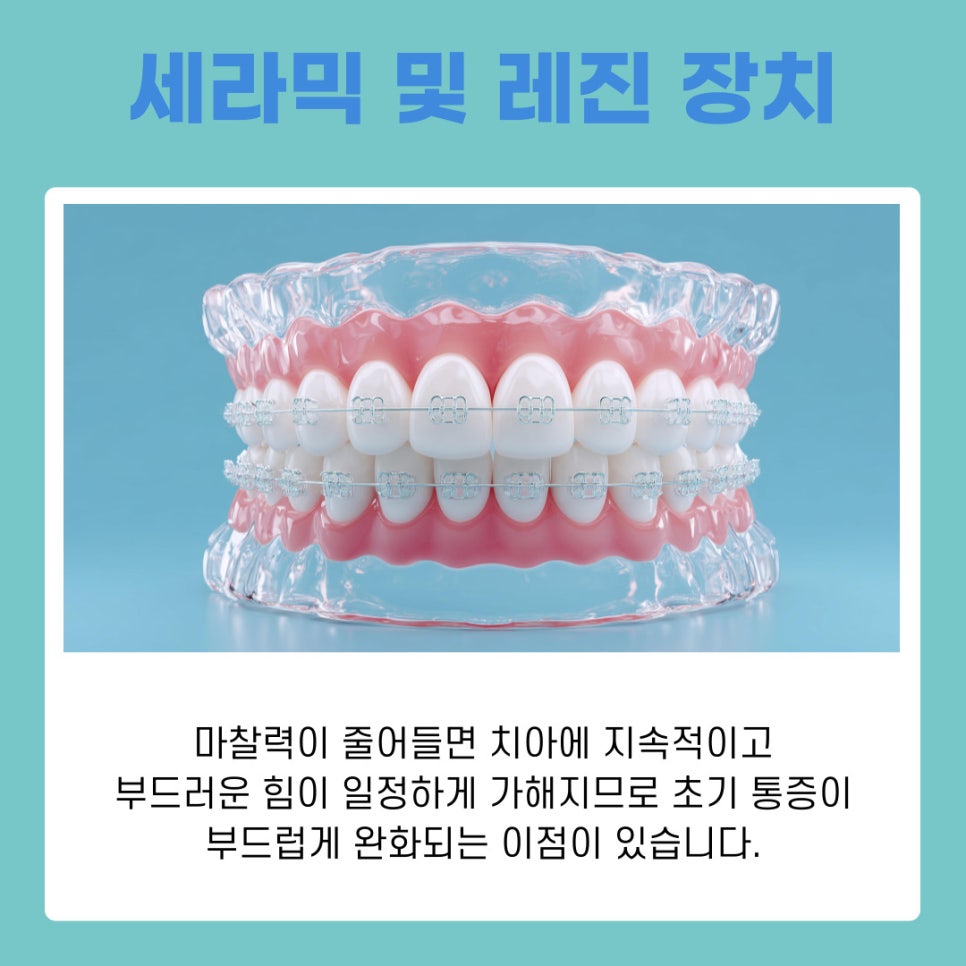
The self-ligating system, which has recently been widely adopted and well received by dental clinics, is an advanced appliance with a sliding-door-style lid built into the bracket itself.
Unlike conventional systems, there is no need to tie the orthodontic wire with separate fine wires or elastic bands. Since the appliance itself secures the wire, the friction generated between the teeth and the wire is significantly reduced.
When friction is reduced, a continuous and gentle force is applied evenly to the teeth, offering the benefit of gently easing the pain experienced in the early stages.
Lingual Appliances for Discreet Treatment
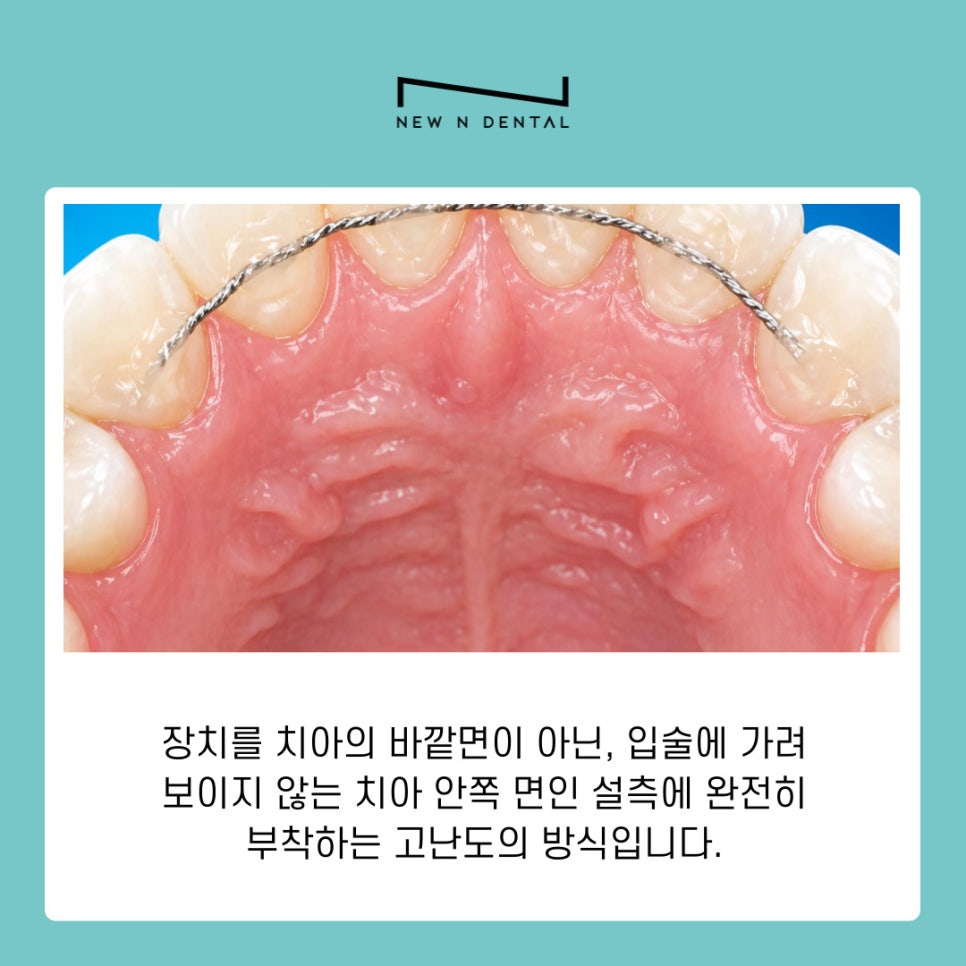
For those who want to completely prevent the appliance from being visible externally, lingual orthodontic treatment can be an excellent alternative.
This is a highly advanced method in which the appliance is fully attached not to the outer surfaces of the teeth, but to the lingual surfaces on the inside of the teeth, where it is concealed by the lips.
Unless someone opens their mouth wide and looks inside, it is virtually impossible for others to notice that orthodontic treatment is in progress, allowing for thoroughly discreet treatment.
This customized treatment method provides psychological comfort and a high level of aesthetic satisfaction for people preparing for interviews or working in environments such as broadcasting and the service industry, where appearance is particularly important.
Removable, Hygienic Clear Aligners
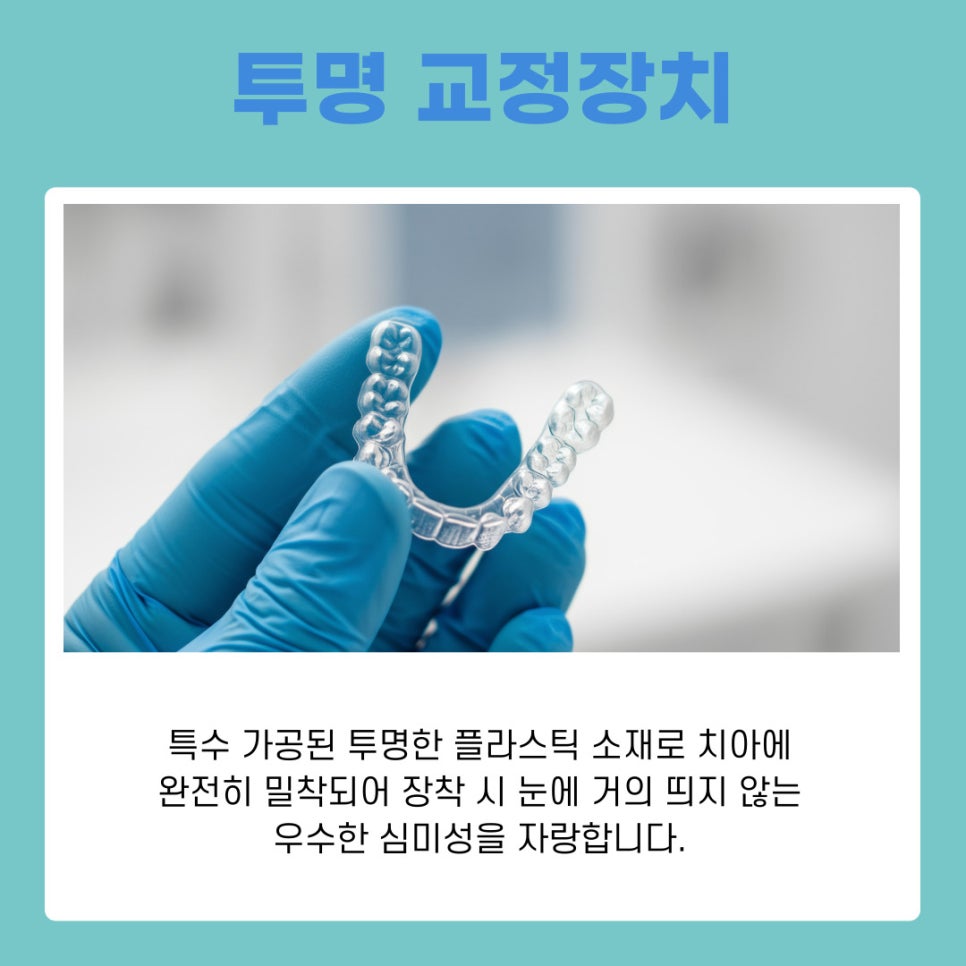
Clear aligners, which have grown remarkably alongside recent advances in digital technology, are removable appliances that patients can put in and take out themselves.
They are made in stages from specially processed transparent plastic, tailored to the movement of each individual’s teeth. They fit closely over the teeth and are barely noticeable when worn, offering excellent aesthetics.
Above all, the aligners can be temporarily removed when eating or attending an important meeting, so there are virtually no restrictions on food consumption.
They can also be removed when brushing, allowing you to use dental floss and a toothbrush freely as usual. This provides exceptional convenience for keeping the inside of the mouth clean and preventing cavities or gum disease.
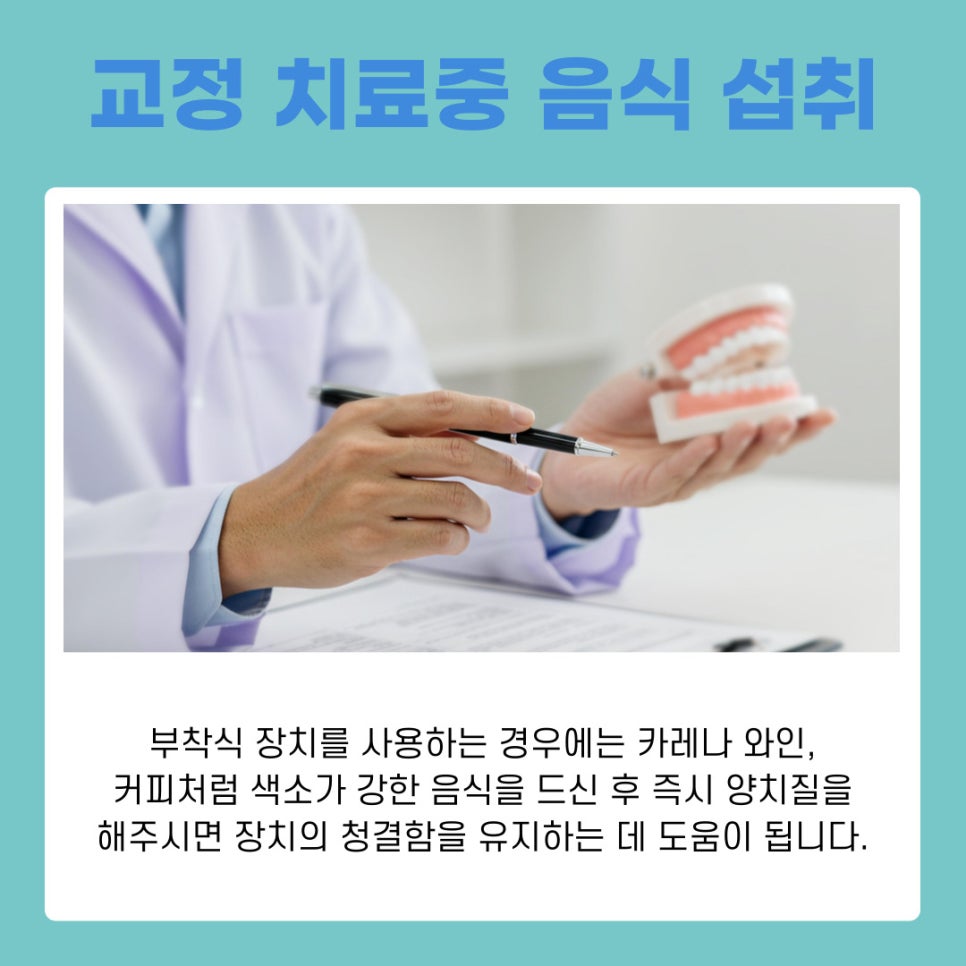
Q. How should I eat during orthodontic treatment?
A. To prevent the appliance from coming loose or becoming deformed, it is recommended that you avoid hard and chewy foods whenever possible.
When using a fixed appliance, brushing your teeth immediately after consuming foods with strong pigments, such as curry, wine, or coffee, can help keep the appliance clean for longer.
With clear aligners, you can temporarily remove them during meals, allowing relatively flexible food consumption.