This post was written directly by Gangnam Newen Dental Clinic and
provides medical information that may be helpful to an unspecified number of patients through clinic blog content,
in strict compliance with
「Article 56 of the Medical Service Act and regulations related to medical advertising review」.
Proper Aftercare and Regular Checkups to Extend the Lifespan of Implants in Gangnam-gu
| Summary |
|---|
| 1. Implants are a representative alternative that can restore both function and aesthetics when natural teeth are lost. |
| 2. We have organized the essential care guidelines that should be followed to reduce potential complications after the procedure and maintain implants securely for a long time. |
| 3. We hope this will help prevent additional alveolar bone resorption caused by leaving missing teeth untreated and restore a healthy oral environment. |

Hello,
This is Newen Dental Clinic.
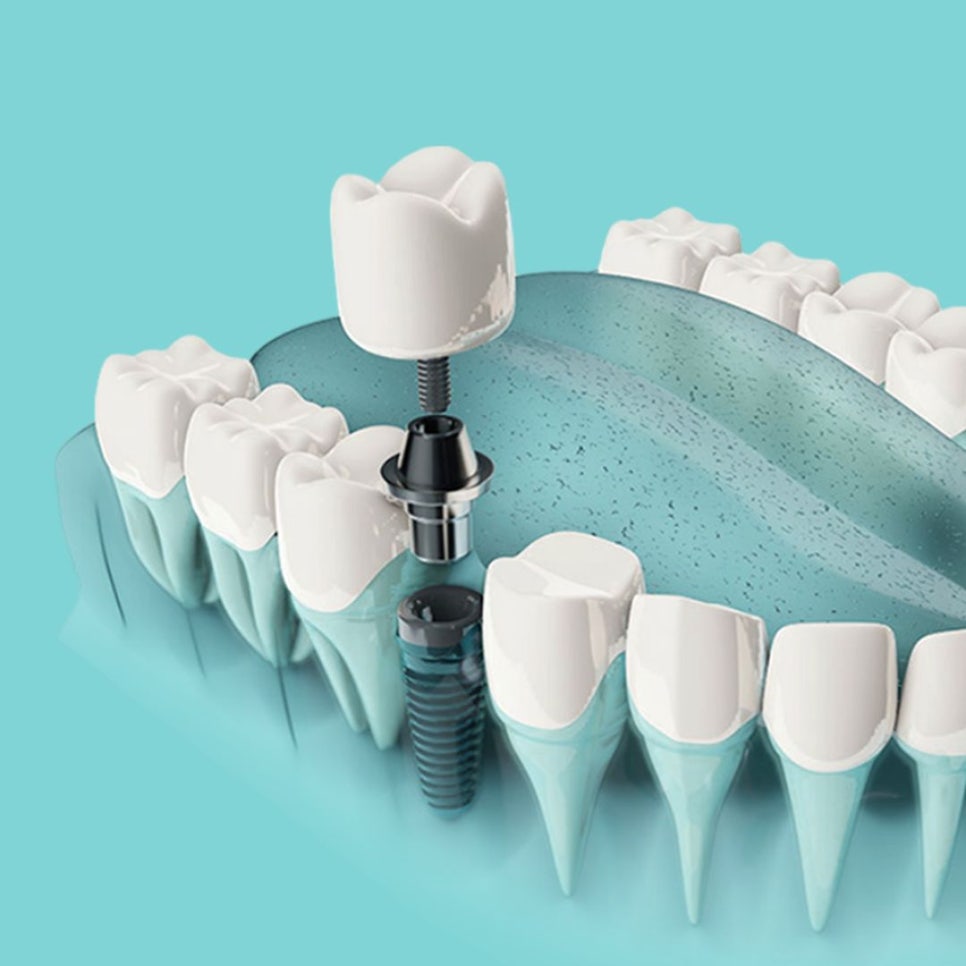
Many people tend to let their guard down after undergoing a lengthy treatment process and fully receiving their final prosthesis, thinking that all the work is complete.
However, for artificial teeth, maintenance after placement is just as important as the placement process itself and is a key factor determining the success and lifespan of the overall treatment.


Previous image
Next image
Because the artificial structure itself has no biological activity, decay does not occur even if bacteria that cause cavities penetrate it.
However, the surrounding gums and alveolar bone around the teeth are still living biological tissues. If they are not kept clean, bacteria can multiply at any time and cause serious inflammation.
The Risk of Peri-Implantitis

Just as periodontitis is one of the main causes of natural tooth loss, peri-implantitis is the most serious disease that can lead to the removal of an artificial tooth.
It is a disease in which inflammation develops as plaque or tartar accumulates in the tissues surrounding an artificial tooth. Compared with natural teeth, it is characterized by a much faster rate of progression.
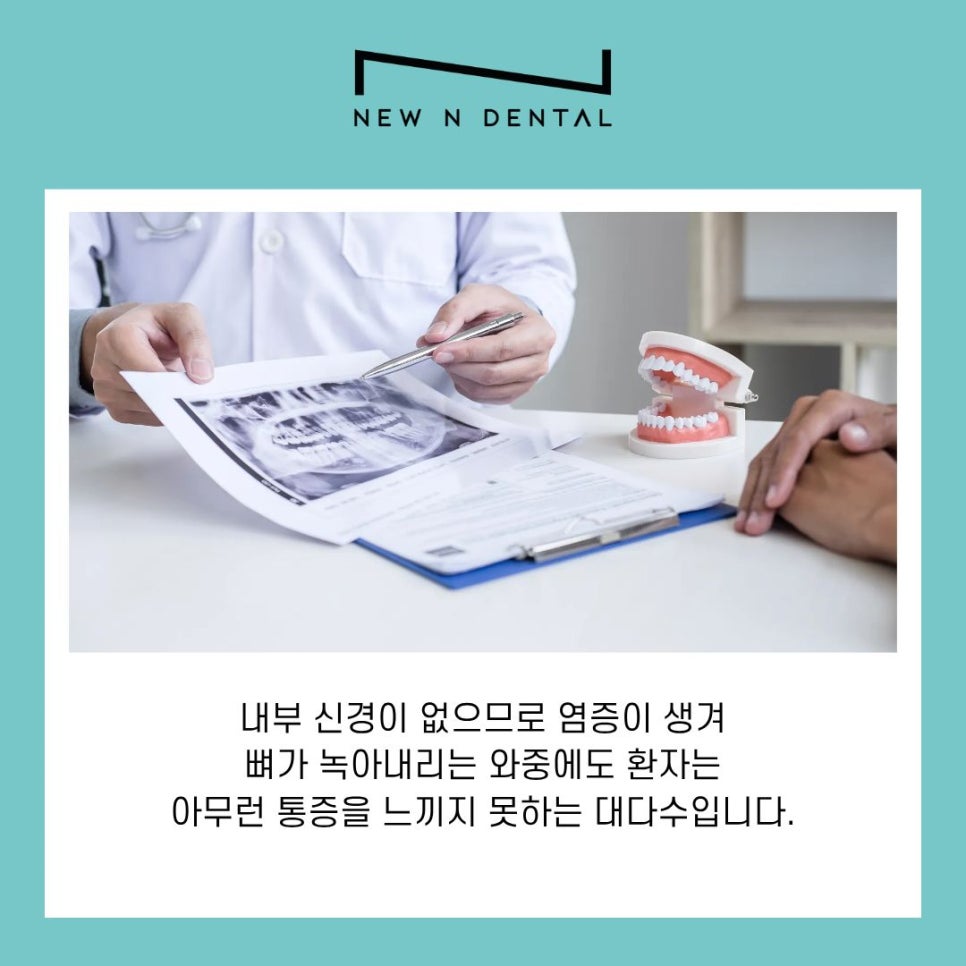
Natural teeth contain a fine tissue called the periodontal ligament, which helps prevent the penetration of external bacteria and absorbs shock. Artificial teeth, however, are directly integrated with the bone and therefore do not have this protective barrier.
In addition, because they have no internal nerves, most patients do not feel any pain even while inflammation is causing the bone to deteriorate.
By the time noticeable symptoms such as swollen or bleeding gums or visible pus appear, bone damage has often already progressed severely. Prevention should therefore be the top priority.
Aftercare Methods
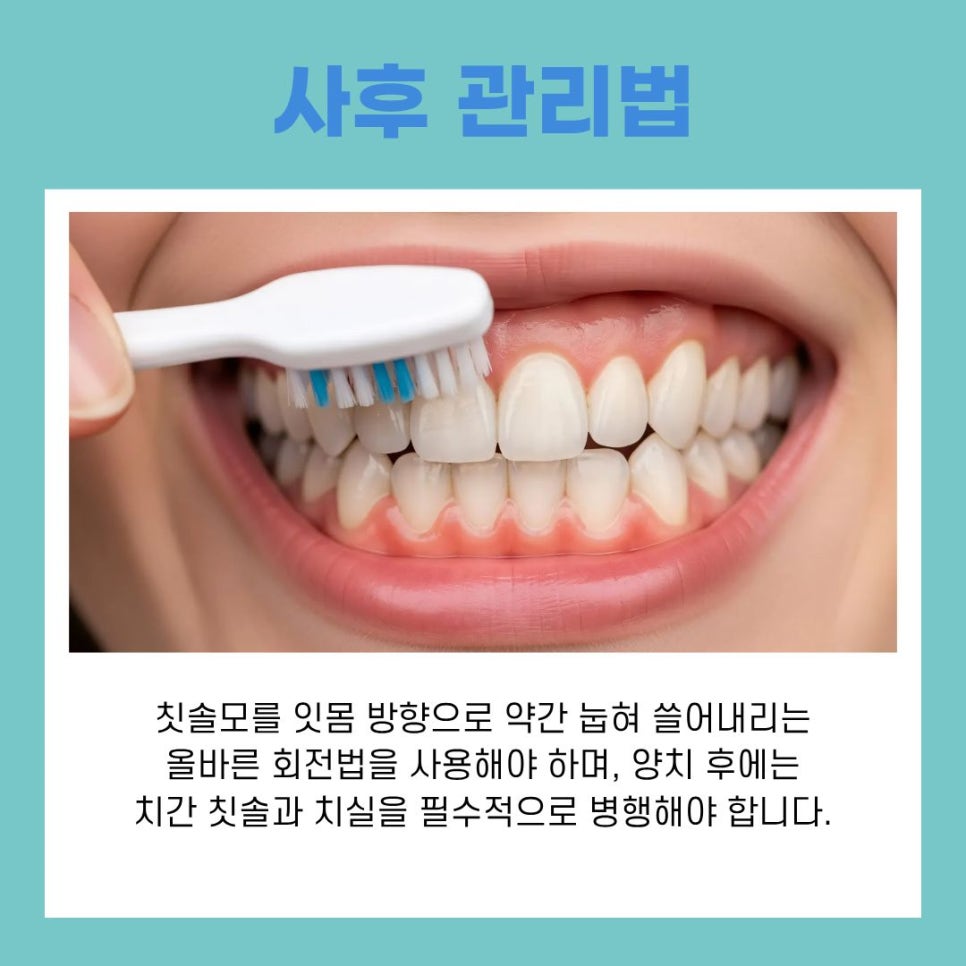
To prevent peri-implantitis, daily oral hygiene must be carried out consistently and thoroughly.
When brushing, use the proper rolling technique by slightly angling the bristles toward the gums and sweeping them away. After brushing, be sure to use an interdental brush and dental floss as well.
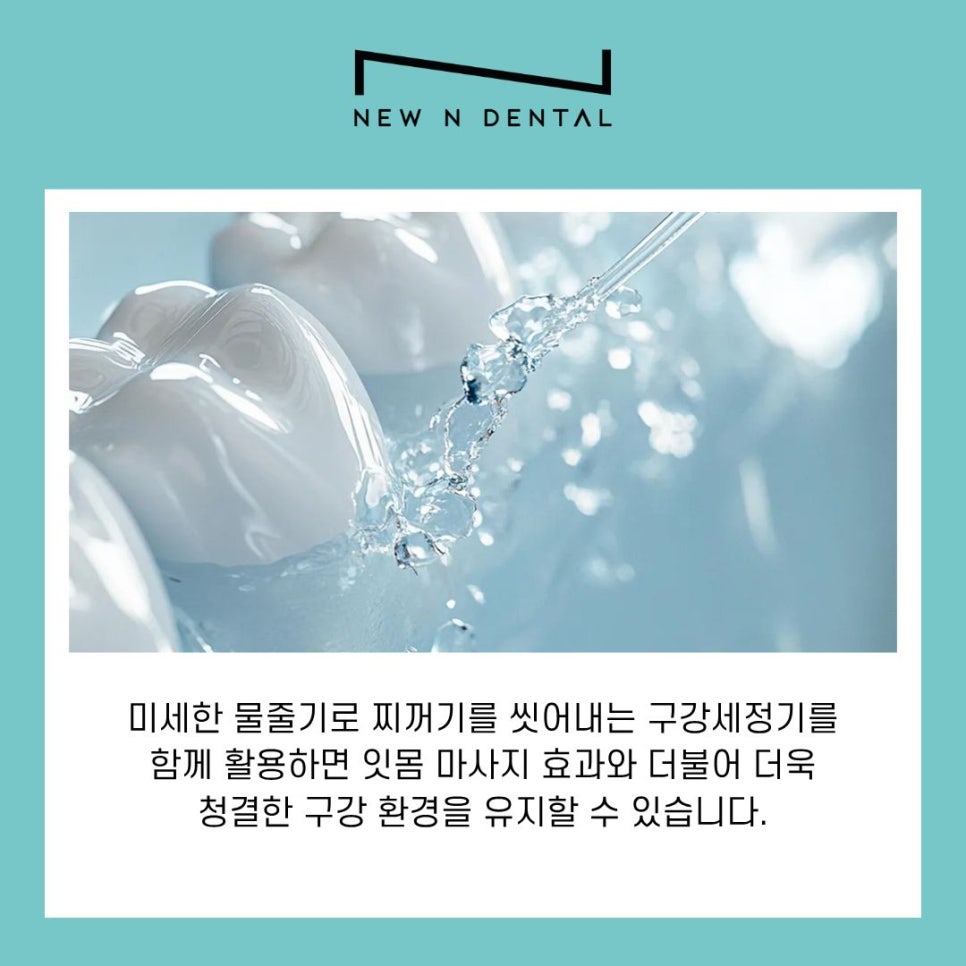
In particular, selecting an interdental brush of the appropriate size for the space around the prosthesis and cleaning the area with it can effectively remove hidden bacterial plaque.
In addition, using an oral irrigator that washes away debris with a fine stream of water can help maintain a cleaner oral environment, along with providing a massaging effect for the gums.
Proper Eating Habits and Load Distribution
Artificial roots made of titanium and ceramic prostheses are highly durable against the vertical pressure applied when chewing everyday foods.
However, because they lack tissue that provides cushioning like the periodontal ligament of a natural tooth, they may be somewhat vulnerable to strong impacts applied suddenly or through sideways twisting.
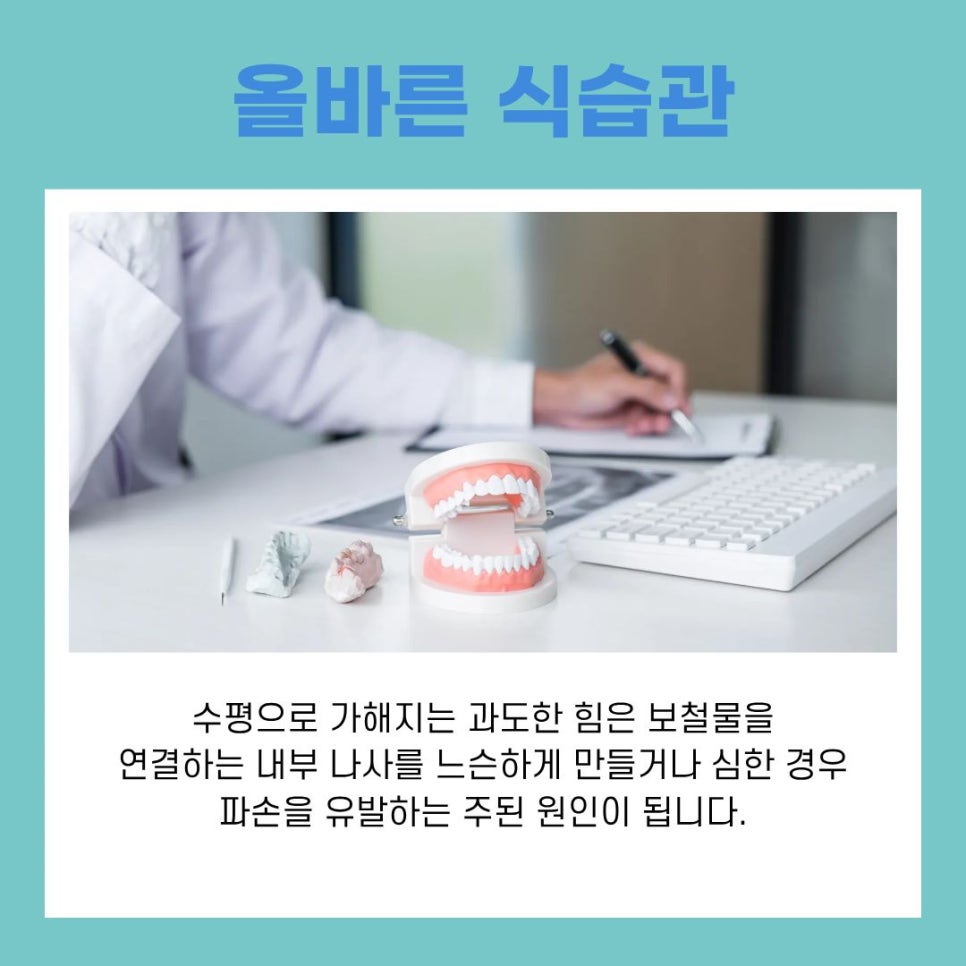
Excessive horizontal force is a primary cause of loosening the internal screws that connect the prosthesis and, in severe cases, may cause breakage.
Therefore, we recommend refraining from habits such as biting and eating hard ice or frequently eating chewy squid, dried fish fillets, and dried meat.
The Timing and Role of Regular Checkups
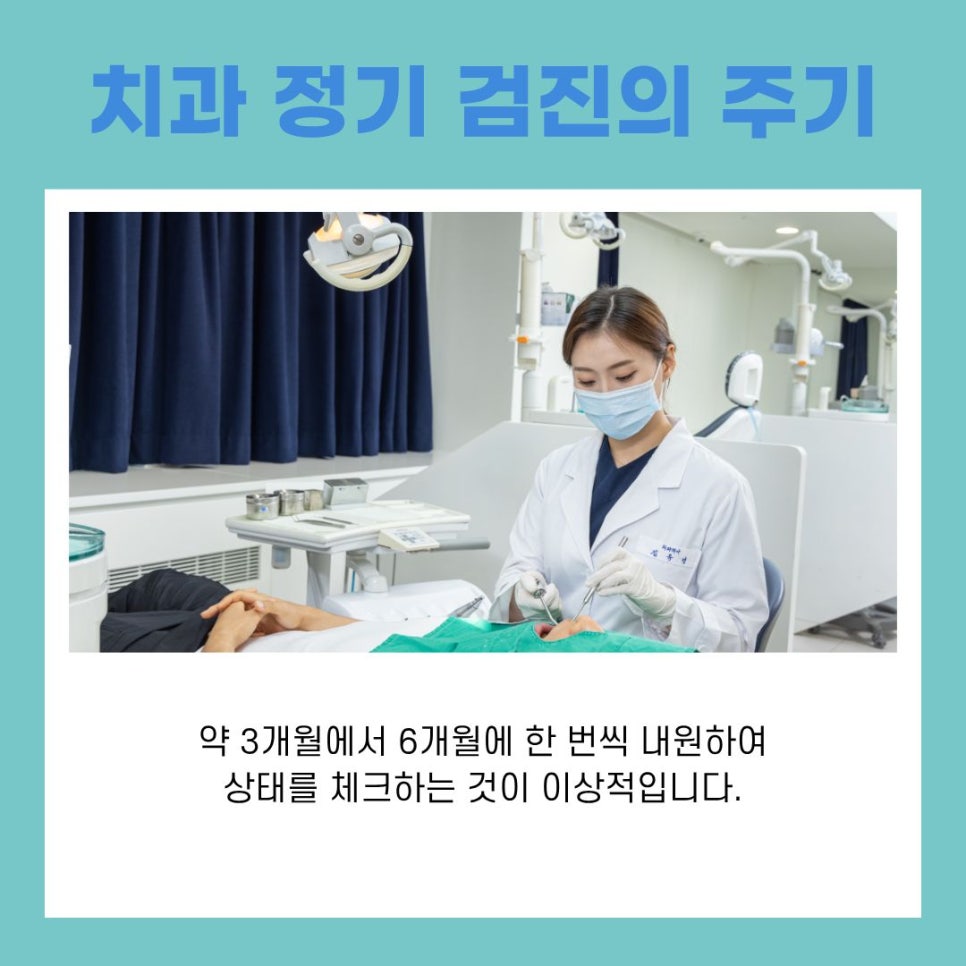
The most reliable and economical way to prevent various prosthetic problems, including peri-implantitis, is to visit the dentist regularly for detailed examinations.
Generally, the first year after the final placement of the prosthesis is the period during which post-treatment stability is established. It is ideal to visit the clinic once every three to six months to check the condition.
Even after the implant has settled normally, dental X-rays should be taken regularly at least once every six months or once a year.
This allows changes in the density of the alveolar bone that cannot be seen with the naked eye to be monitored, while also checking whether the connecting screws have loosened and whether debris has accumulated beneath the prosthesis. Professional thorough scaling should also be performed.