Often, many people worry about cheek sagging after facial contouring surgery.
In particular, I think a precise understanding of the causes of cheek sagging after zygoma reduction surgery is necessary, and I also feel that misinformation and misunderstandings about this topic are too widespread.
Zygoma reduction surgery aims to reduce the width of the face by changing the shape of the cheekbones that form the contour of the middle part of the face, and beyond that, it can be expected to make the face not only smaller but also give it a more youthful appearance.
However, if the cheeks sag after zygoma surgery, it can instead make the face look older.
Based on my experience, I think there are three major causes of cheek sagging after zygoma surgery.
First, excessive removal of the anterior zygomatic bone area where the retaining ligaments are attached
Second, excessively extensive separation and dissection of the bone and soft tissue in the area where the retaining ligaments are attached
Third, the zygoma itself has sagged downward
Among the three causes above, I think the most common cause these days is the first: excessively removing the anterior zygomatic bone area where the retaining ligaments are attached.
Retaining ligaments are ligaments that support the facial skin so that it does not sag, and the location of the retaining ligaments connecting the zygoma to the skin is as shown in the photo below.
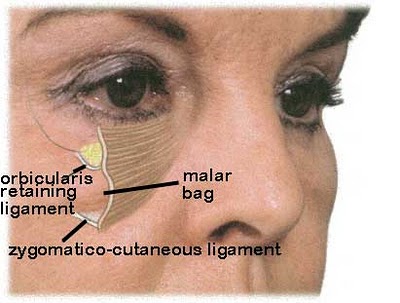
In the schematic above, the zygomatico-cutaneous ligament is the retaining ligament that starts from the zygoma and pulls the skin so that it does not sag.
If the function of such retaining ligaments is lost, sagging will become much more severe as time passes.
The CT images below after surgery are of a patient who came to me for consultation because of excessive cheek sagging after zygoma reduction surgery at a plastic surgery clinic.
A portion of the zygoma was cut away and fixed upward, but the zygomatic area where the retaining ligament emerges had been removed (cut during surgery).
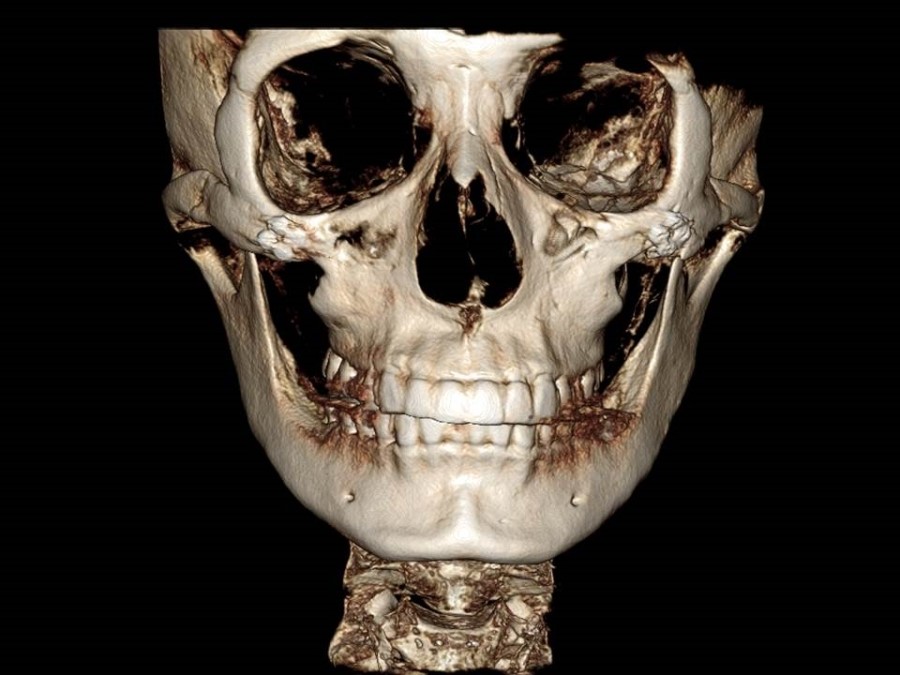
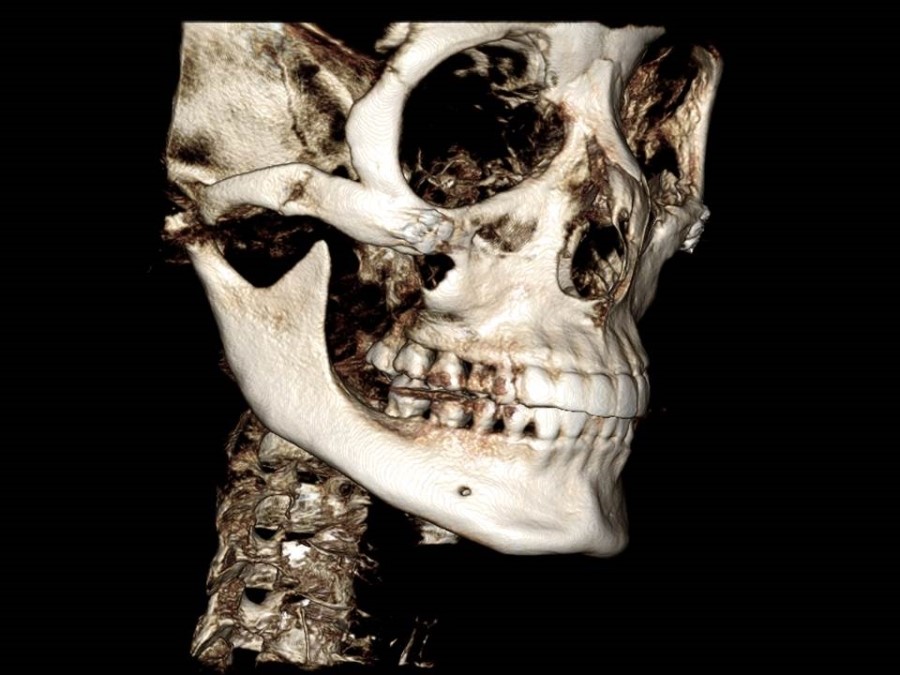
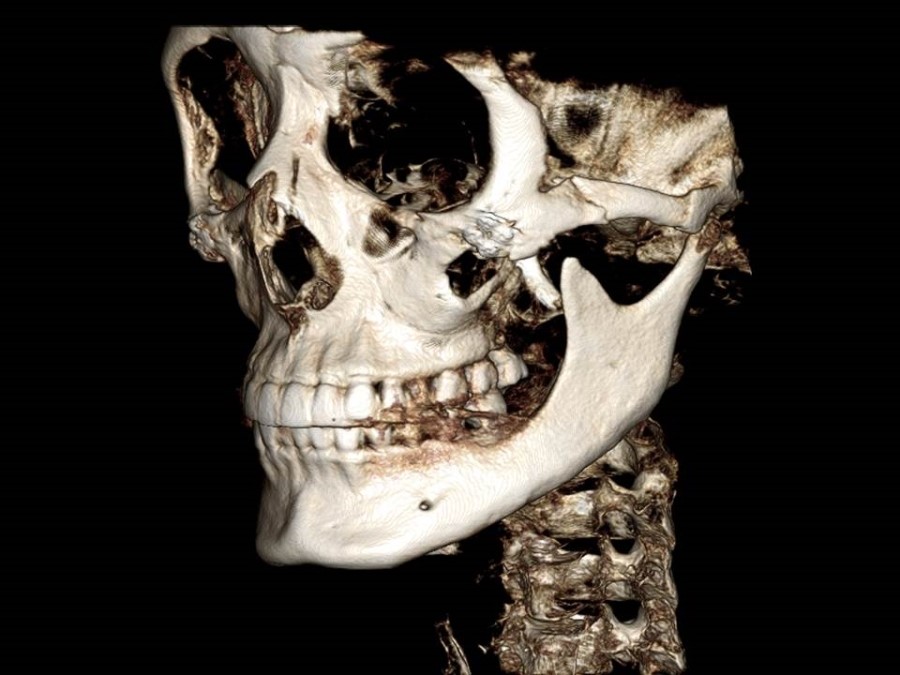
It is explained that a large amount of the zygoma was removed and that, to prevent cheek sagging, the zygoma was fixed just below the orbit (eye socket bone), but in reality, a large portion of the lower zygoma had been removed.
In the end, the removed area is the very area where the retaining ligaments are attached.
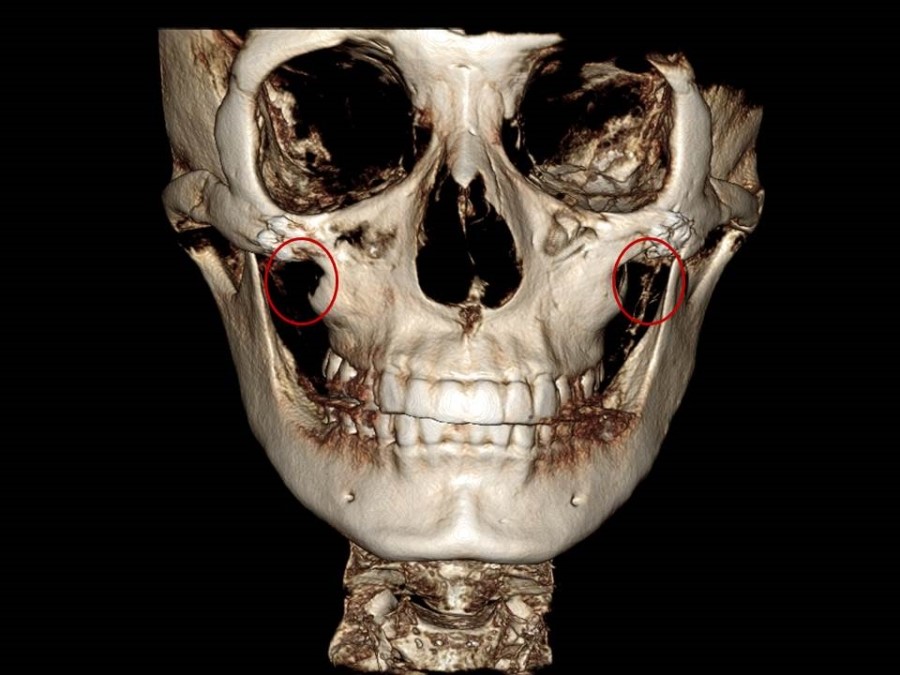
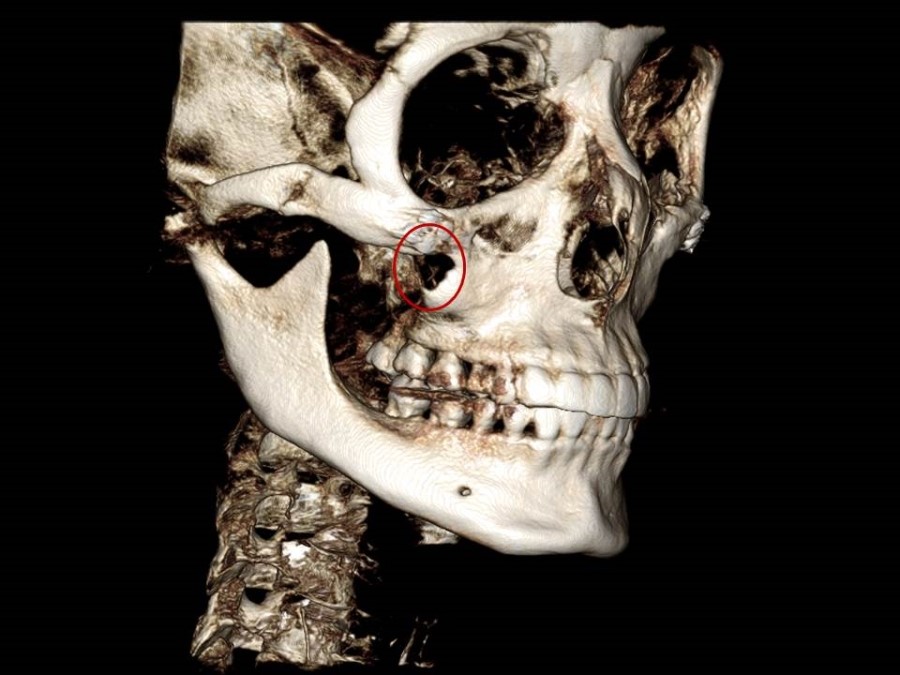
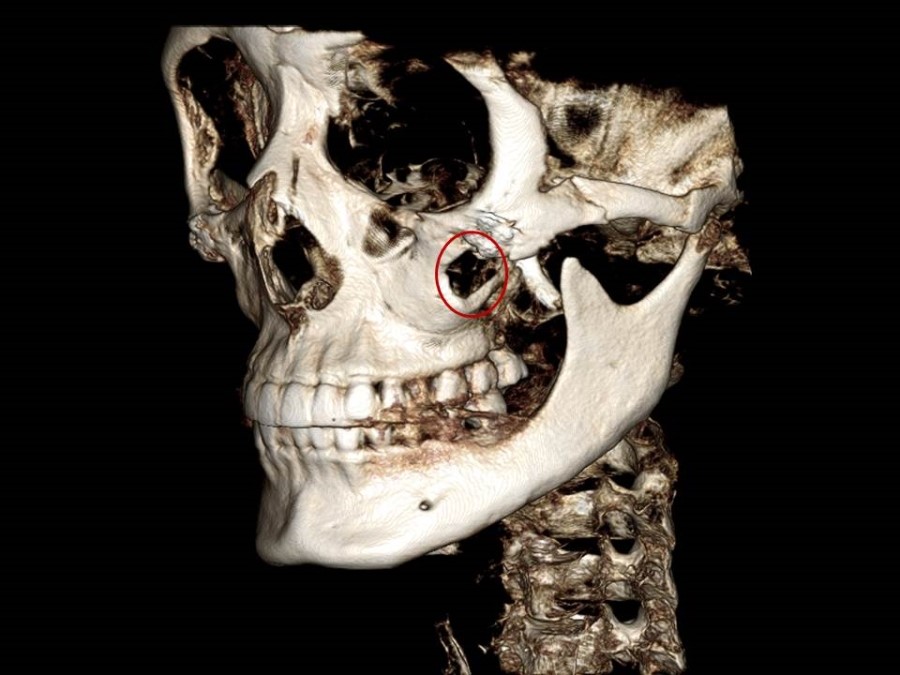
In conclusion, it was not that the bone was moved upward and fixed, but rather that the zygoma within the red line was cut away, creating the cause of cheek sagging.
When a large amount of bone is removed to reduce the zygoma, the resulting cheek sagging becomes more severe over time, and in order to improve this, facelift surgery is the only option.