Entering~~
Recently,
there has been a lot of interest and many inquiries about “the Lavian Rainbow Injection, which I personally conceived and manufactured”. Also, because a completely different injection therapy with a similar name has been discussed, I am writing this post to provide accurate information.
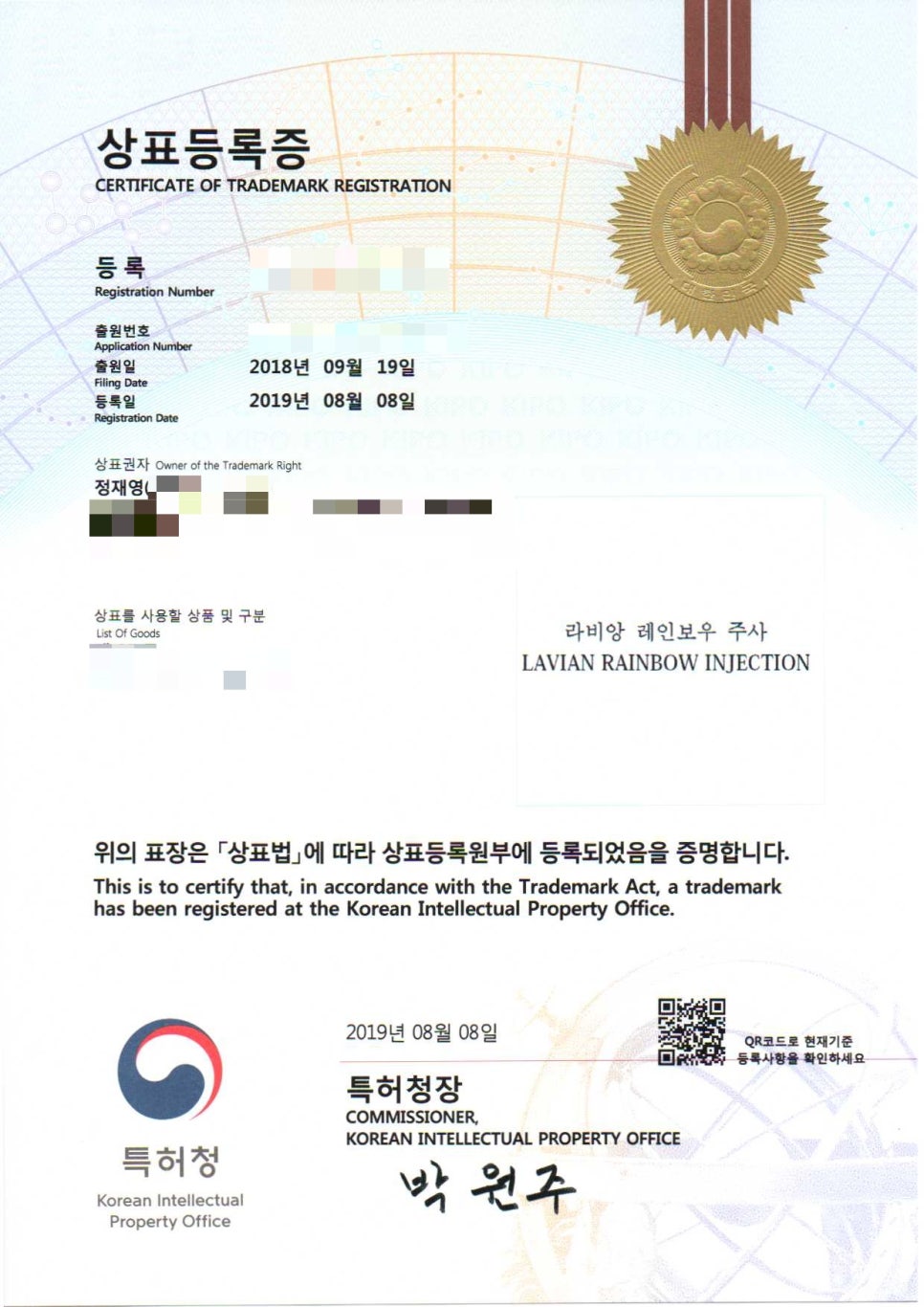
Rainbow Injection trademark registered with the Korean Intellectual Property Office
As explained in previous blog posts, liquid facial contouring is a method used to change the conditions of the soft tissues surrounding the bones (muscles, fat, and the dermal layer), which are among the factors determining facial contours.
In other words, apart from facial bone contour surgery, which changes the shape of the facial bones, it can be described as a method that changes the soft tissues of the face through injection therapy.
Among the injection therapies used in this liquid facial contouring procedure, I believe it is important to first look at the “Lavian Rainbow Injection,” which plays the most important role.
Background of the Rainbow Injection
I will first explain the background behind the development of the Rainbow Injection, and then describe its clinical applications.
The Rainbow Injection is a combination injection formula that I personally devised after nearly 20 years of performing only facial contour surgery and facelifts, following much deliberation and trial and error.
There are three major reasons why I came up with the Rainbow Injection.
- The impatience and anxiety that arise during the downtime period when swelling is present after facial contour surgery
- In facial contouring surgery, cases in which the bone conditions have been sufficiently changed, but the surrounding soft tissue conditions remain prominent
- The area-specific characteristics of the tissues beneath the skin that I came to understand while performing facelifts
The impatience and anxiety that arise during the downtime period when swelling is present after facial contour surgery
After surgeries such as square jaw reduction or cheekbone reduction, which reduce the volume of prominent angular facial bones, a certain period of downtime is needed for the swelling of the soft tissue covering the reduced bone to subside and for the tissue to be rearranged over the changed bone shape.
Therefore, until the postoperative swelling settles to some extent, it is only natural for first-time surgical patients to feel anxious and impatient.
During such times, as I listened to and explained those anxieties and impatience, my long consideration of postoperative swelling and recovery began.
Cases in which the bone conditions have been sufficiently changed, but the surrounding soft tissue conditions remain problematic
While performing facial contour surgery to improve facial contours, I did my best in my own way. In cases where there was no remaining room to reduce the bone any further, yet the postoperative changes were still not sufficiently satisfying, I felt the limitations of the soft tissue conditions (such as muscle or fat) and tried every possible method to reduce the soft tissue.
In that process, I also tried various contour injection formulas that I had experienced for more than 10 years, including PPC, aminophylline, and others, but my conclusion was that they mainly caused swelling after the procedure and did not produce much real effect.
Therefore, among the injection ingredients I had used, I combined the components that could clearly produce visible effects, adjusted their ratios, and formulated them at less than one-tenth of the allowable single-dose amount (within a range that does not cause clinical side effects), thereby developing a combined formula.
The area-specific characteristics of the tissues beneath the skin that I came to understand while performing facelifts
As mentioned earlier, I have devoted nearly 20 years only to facial contour surgery and facelifts.
A facelift is a surgical procedure in which part of the skin is removed, the skin is dissected away from the muscle layer, and the entire face is pulled tighter.
Therefore, the process of individually dissecting and examining the fat layer and fascial layer beneath the skin has become almost part of my daily routine.
Through this process, I realized that the conditions and properties of the fat layer, dermal layer, and other tissues vary greatly depending on the area of the face. For example, the characteristics and structure of the subcutaneous fat layer in the lower cheeks or double chin area are very different from those of the buccal fat covering the cheekbone area, and the fat in the temple area also has different characteristics and forms.
Therefore, I concluded that injection formulas intended to change soft tissue conditions also need to be adjusted according to the characteristics of fat, dermis, and muscle in each area.
The Rainbow Injection was born through the above circumstances and process.
Ingredients and Manufacturing Process of the Rainbow Injection
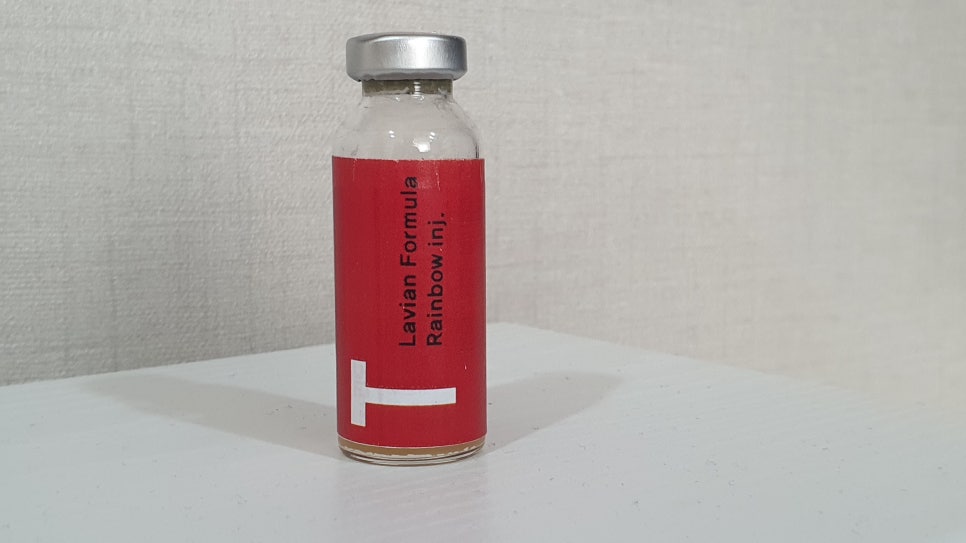
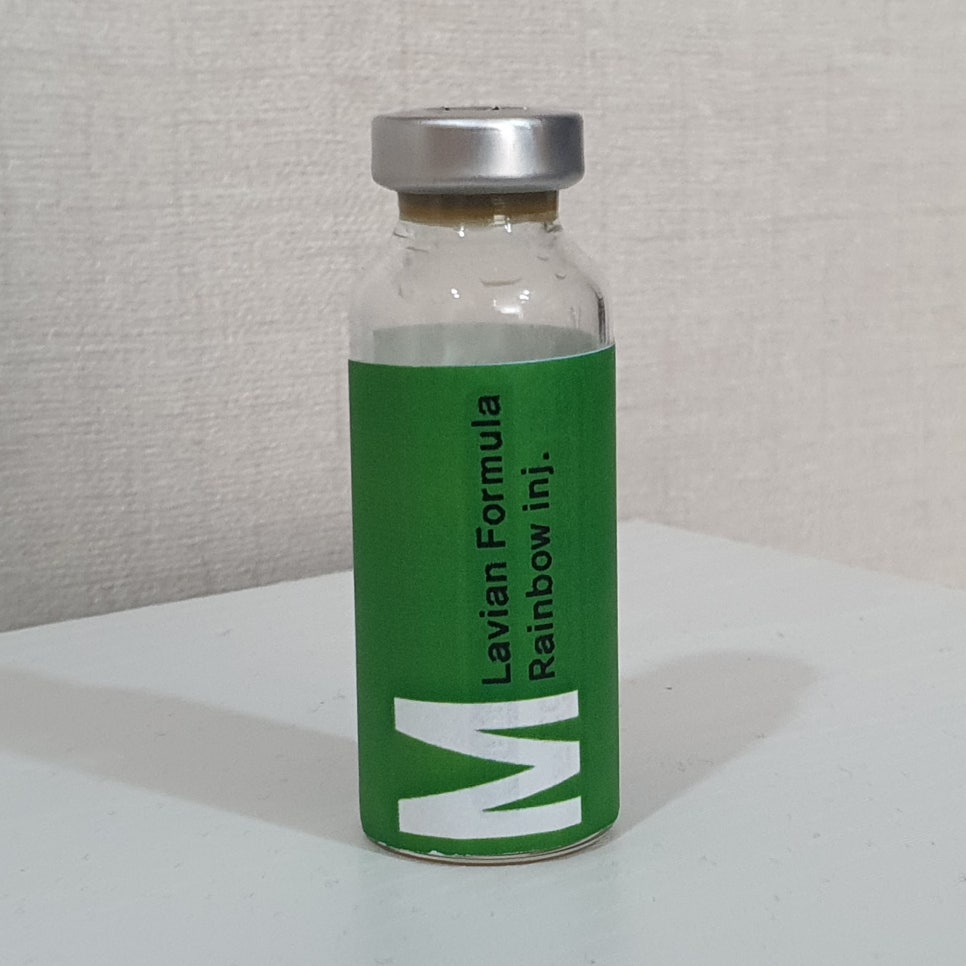
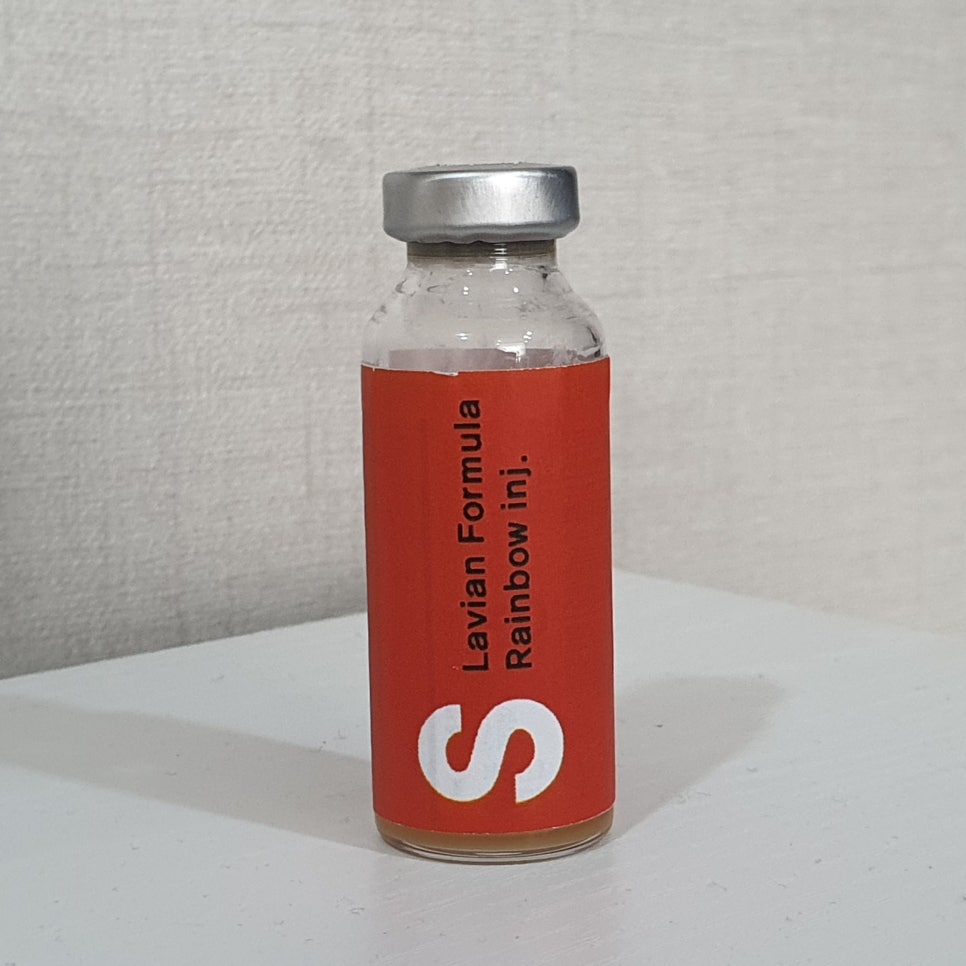
I cannot disclose the exact ingredient ratios of the Rainbow Injection formula, but it consists of seven ingredients in saline, combined differently for each area.
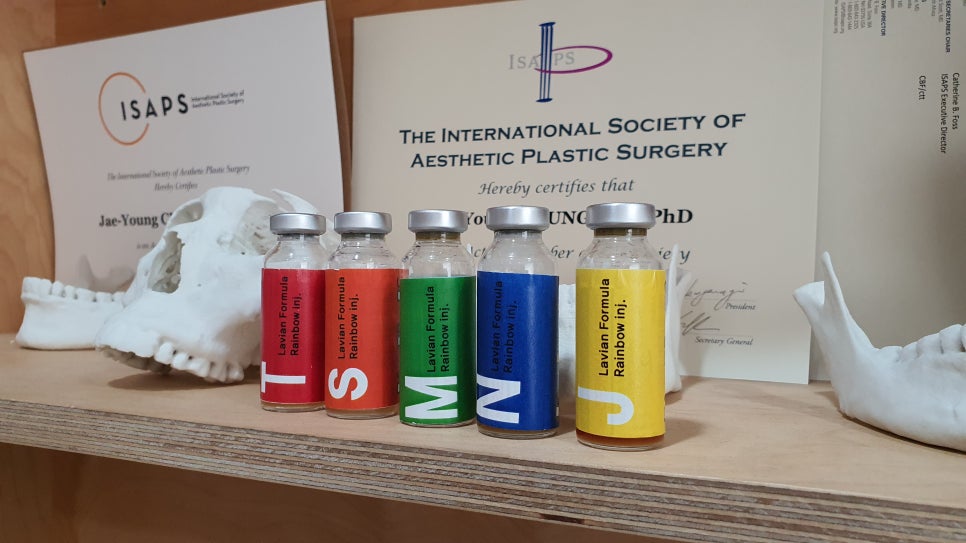
As shown in the photo,
it is divided into T, S, M, N, J, etc.,
and each is an area-specific manufacturing ingredient for the temple area, double chin area, cheekbone/buccal fat area, nasolabial fold area, and jowl area.
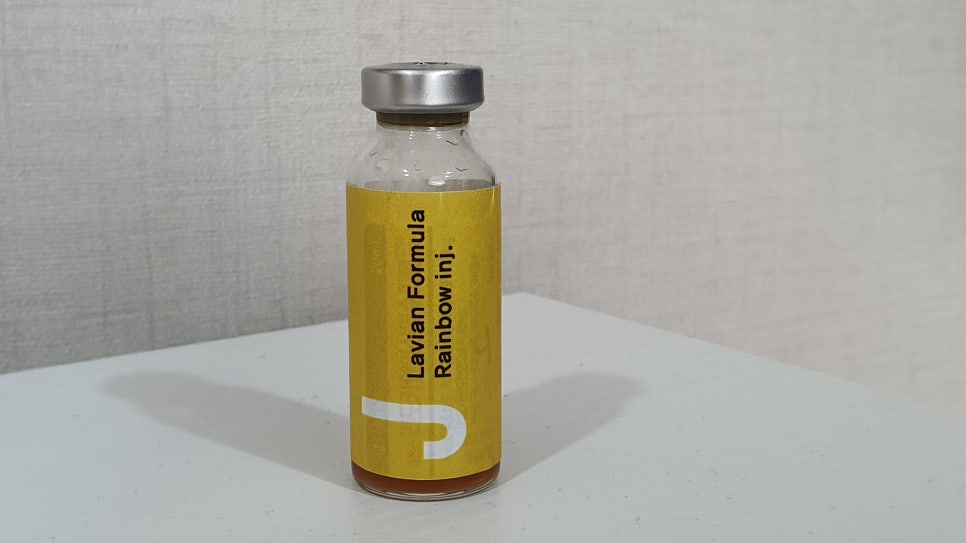
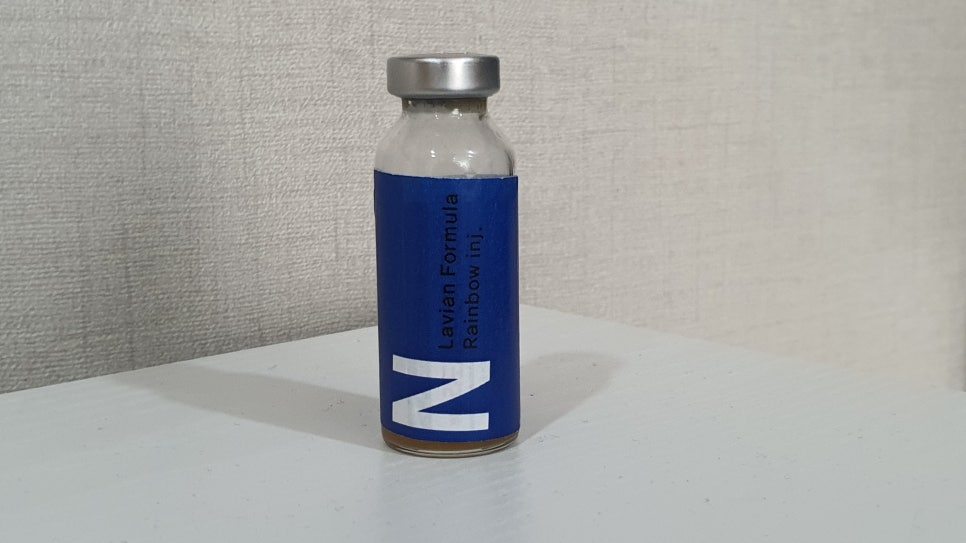
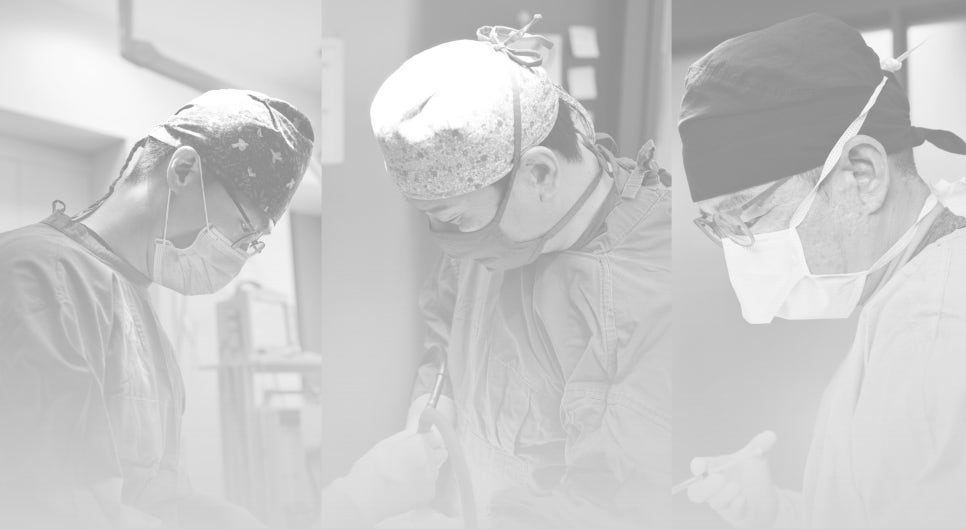
Also, the process of manufacturing the Rainbow Injection is carried out by me personally, together with the specialist doctors at our clinic, in a strictly controlled environment.
Naturally, the Rainbow Injection also contains a very small amount of steroid ingredient, at a level not exceeding one-tenth of the clinically allowable single-use (one-day) dose.
Clinical Applications of the Rainbow Injection
Due to its characteristics,
the injection depth, injection interval, and the amount injected at each point are extremely important.
Therefore, to achieve the maximum effect without side effects, the procedure must be performed by an experienced surgeon who understands the mechanism of action of the Rainbow Injection and the characteristics of soft tissue in each area, after receiving sufficient training in several important aspects.
This is why, despite requests from many directors and clinic staff who wished to purchase the Rainbow Injection, it could not be widely distributed.
In addition, after one injection of the Rainbow Injection, it is advisable to wait at least 4 weeks before injecting the same area again.
There have often been cases where patients clearly experienced the effects after the Rainbow Injection procedure and requested an additional treatment after one week, but as a rule, we never provide an additional procedure in the same area within 4 weeks.
Also, special care must be taken in storage of the Rainbow Injection, and special attention is required when drawing it from the ampoule into the syringe before injection.
As for the actual clinical applications and progress, let us review them while looking at the photos I personally experienced.
https://youtu.be/cUI5k7YnmTg
https://youtu.be/cRD56N4AVRE