Cheekbone reduction surgery can have the effect of narrowing the face when the outline of the middle part of the face is somewhat prominent, and of gently improving the contour of cheekbones that protrude below the eyes.
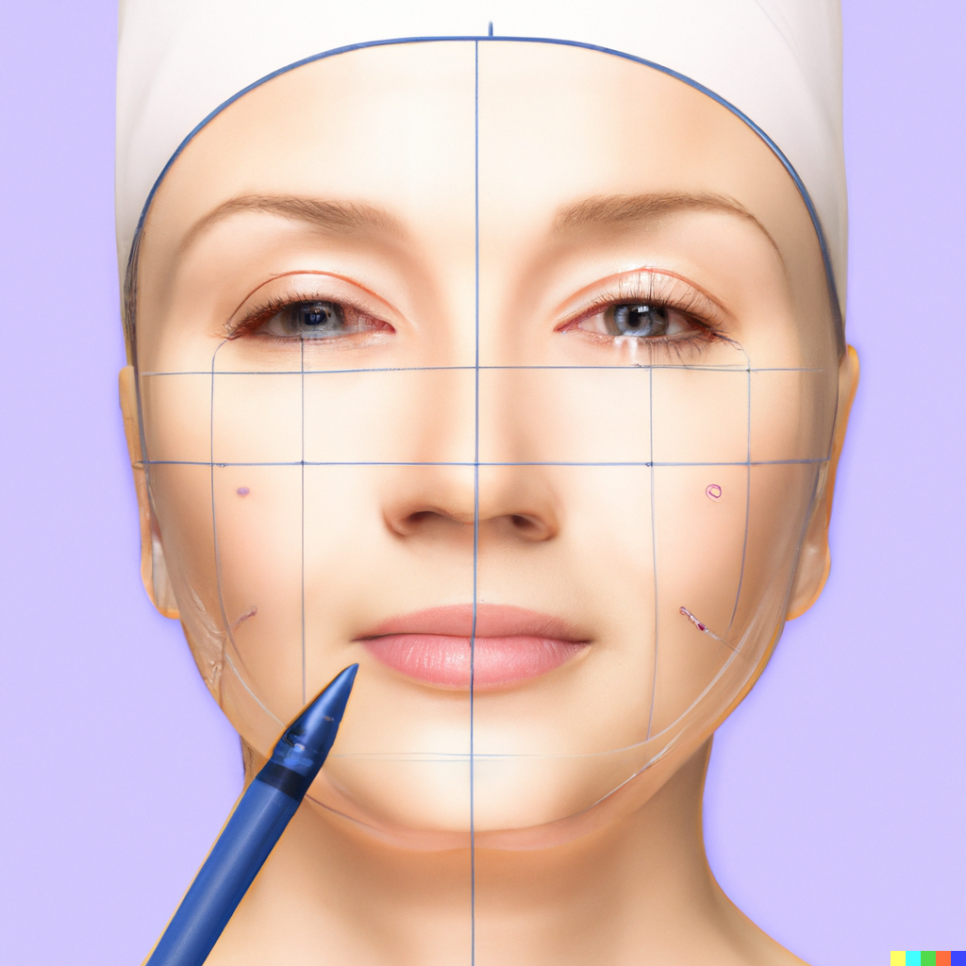
Listening to the expressions of those who come for counseling with concerns about improving their facial contours, I also find myself thinking of many new concepts.
chamberlain,
People who came for a consultation...
"I'm worried that I'll end up with a wart face after cheekbone surgery."
or,
Drawing by hand in front of me,
"Oops, I'm worried that I'll end up with a comb-patterned earthenware face."
There are often people who say that.
Among them, after having cheekbone surgery elsewhere,
it became a wart-shaped face or a comb-patterned earthenware face, and quite a few people came for revision surgery counseling to improve that part.
While counseling many of these people, I thought it would be necessary to revisit what a "wart face" or "comb-patterned earthenware face" is, and also why there is a risk of becoming such a face after cheekbone surgery. I think it would be good to find out together.
In addition, if you have such a face shape after cheekbone surgery, we will explain whether it is possible to improve it with revision surgery.
First, it is necessary to understand what kind of face shape it is by looking at the images of warts and comb-patterned earthenware.

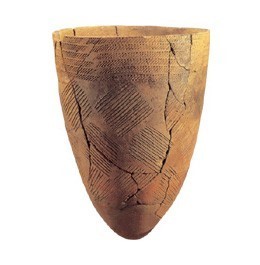
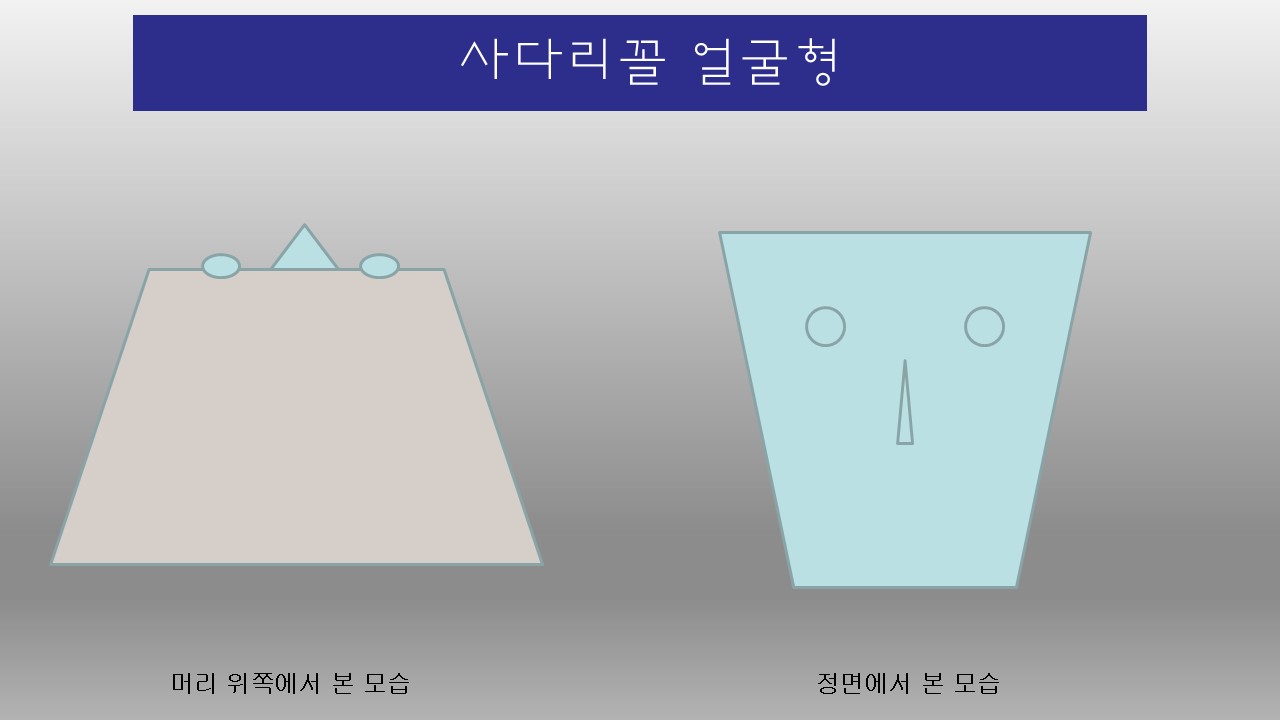
As shown in the two images above, both "wart face" and "comb-patterned earthenware" share a common feature: an "inverted triangle face" shape. This facial shape is characterized by a wide midface, including the temples, that narrows downward. While this can be seen in two-dimensional front views, a more three-dimensional view reveals that the rear part of the face is wide, while the face narrows toward the front.
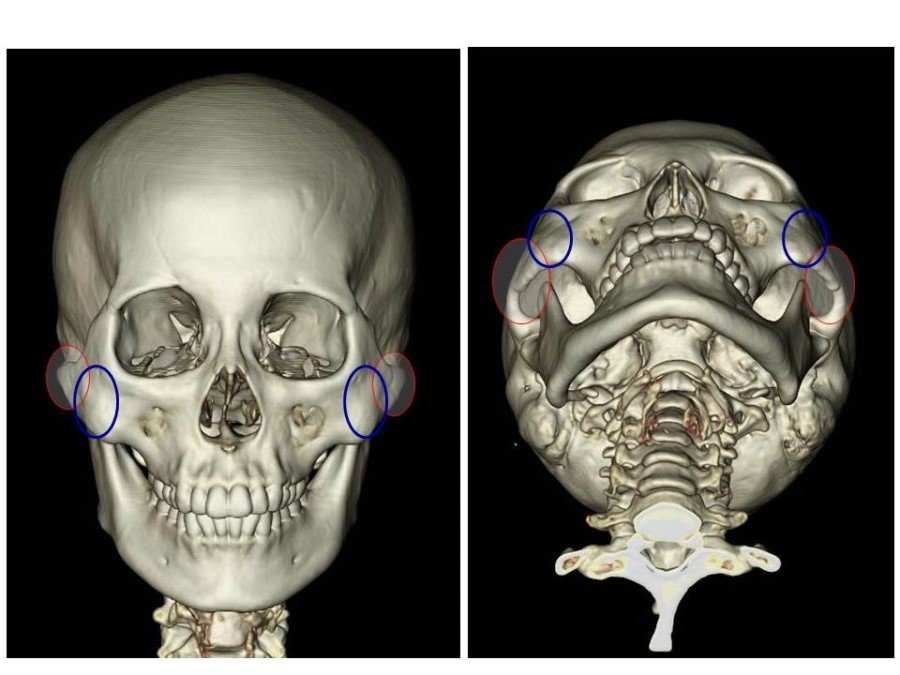
In this surgical method for reducing cheekbone contour, in order to preserve a three-dimensional appearance while reducing the width of the face from the front, the arch of the cheekbones, which widens toward the back, must be rotated and moved inward.
However, if the surgery is performed by cutting the body of the cheekbones, which is responsible for the front contour of the cheekbones, into a trapezoidal shape and fixing it, the front of the cheekbones is reduced, but the contour of the cheekbones, which widens toward the back, is not improved. As a result, after surgery, the face can often appear flatter, and the front cheek area may droop downward.
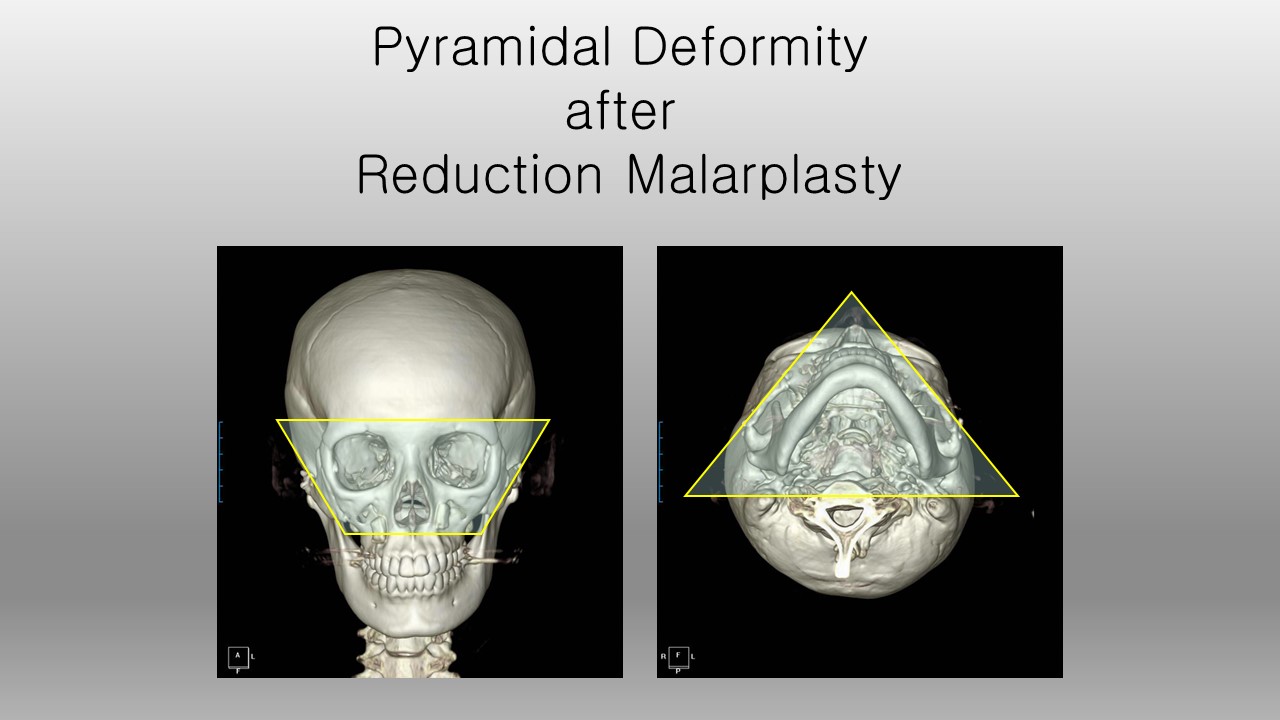
If explained with a slightly more understandable schematic diagram, it may lead to the unfortunate result of becoming the following trapezoid (or inverted triangle) face.
The 3D simulation below shows the difference between two surgical methods for reducing cheekbone contour. On the right side, the cheekbones are surgically altered by cutting the body of the cheekbones into a trapezoidal shape and fixing it in place. On the left side, the cheekbones are rotated, including the rear cheekbones, while maintaining the continuity of the body of the cheekbones, and then fixed in place.
[insert image of 3D simulation comparing the two surgical methods]
This simulation shows that the surgical method of cutting and fixing the body of the cheekbones into a trapezoidal shape can result in a flattened and drooping appearance of the front cheek area, while the method of rotating and maintaining the continuity of the body of the cheekbones can preserve the natural three-dimensional structure of the face. Therefore, the latter method is a more preferred surgical approach for reducing cheekbone contour.