When thinking about the factors that determine a person’s facial shape, there is the underlying foundation of the "facial bones," and also the "soft tissue" that covers those facial bones.
Soft tissue is a term that refers to the soft tissues surrounding the bones—such as "muscle, fat, and skin"—which are distinct from the hard, rigid bones.
As a way to improve facial shape, people often start by considering contour surgery, but when the condition of the soft tissue is prominent, even if the size of the facial bones is reduced through contour surgery, there may be little visible change.
Therefore, it is essential to understand procedures that reduce facial soft tissue, which is an important part of determining facial shape.
Diagnosis
To help understand the facial bones and soft tissue, let’s look at actual CT scans and 3D reconstructed images and understand the parts and conditions where the bones and soft tissue can be distinguished.
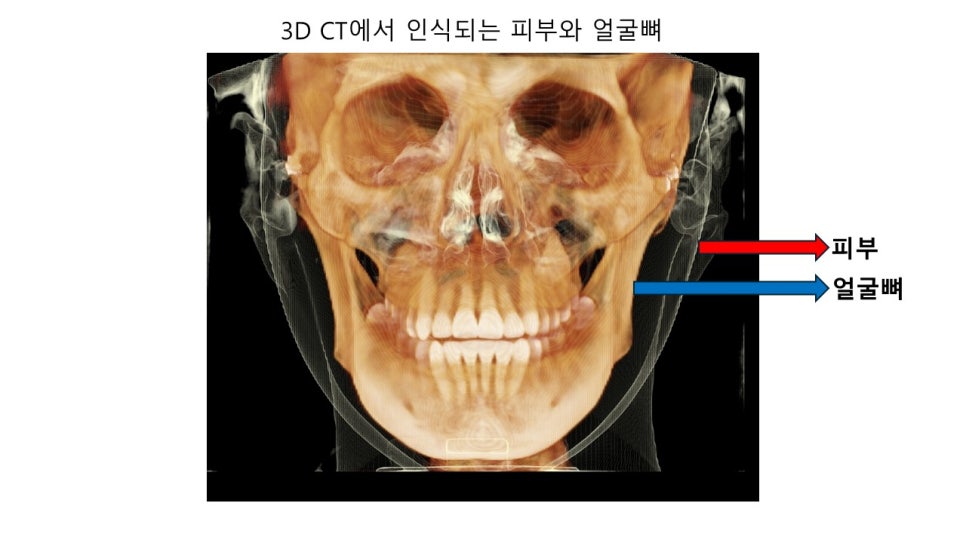
The appearance of the bones seen in 3D CT and the boundary line of the outermost skin
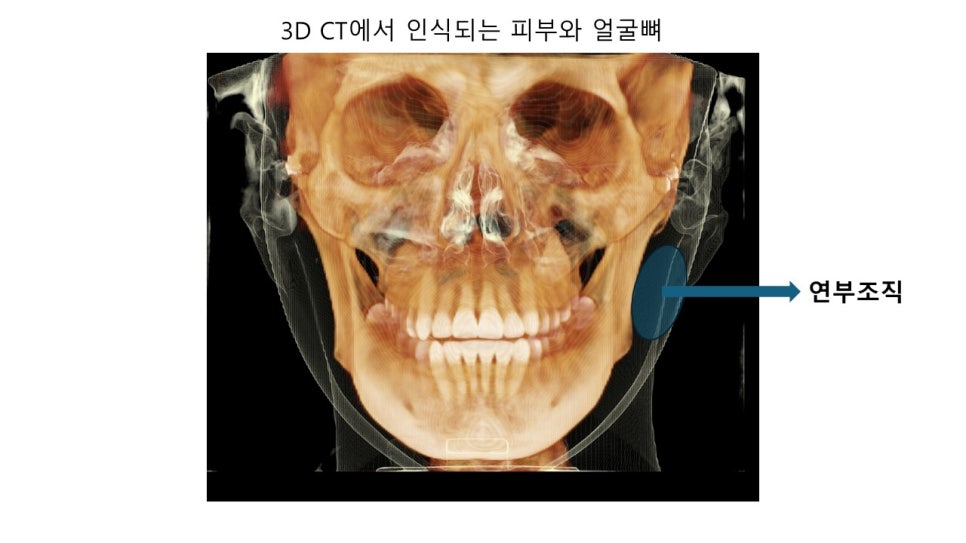
The soft tissue between the skin and the facial bones seen in 3D CT
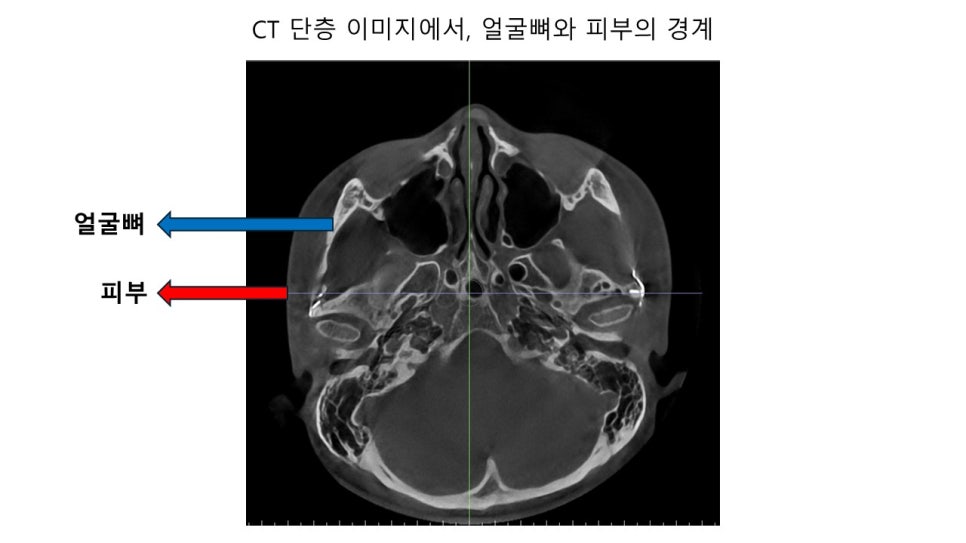
The boundary between the facial bones and skin seen in CT cross-sectional images
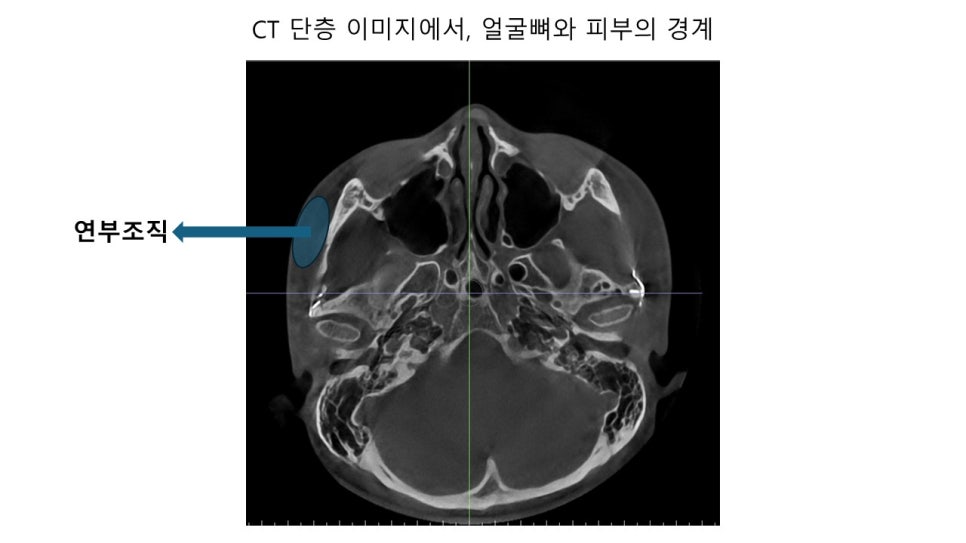
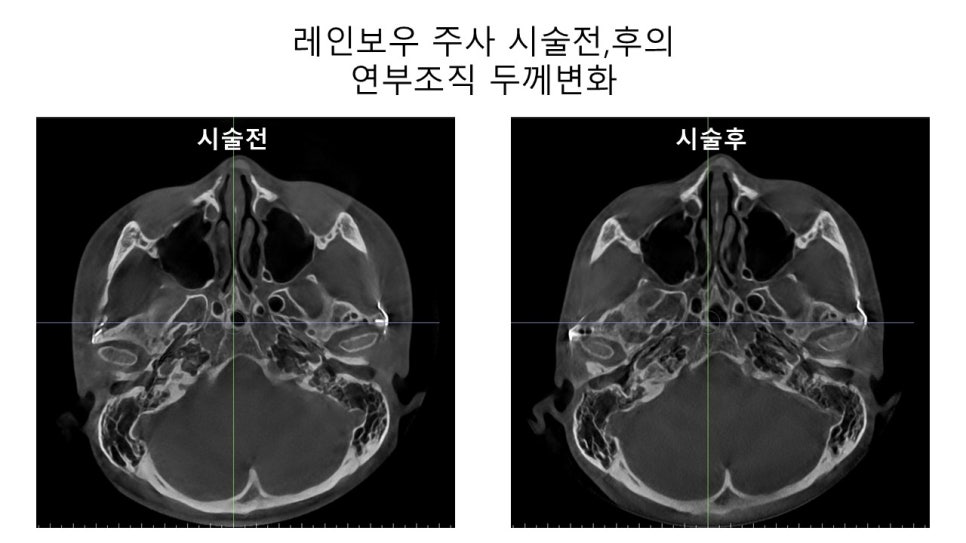
The thickness of the soft tissue seen in CT cross-sectional images
The Importance of Soft Tissue in Contour Improvement - A Case of Disappointment After Contour Surgery
In actual clinical practice, even after contour surgery that refines the shape of the facial bones, there are often cases where the visible change in facial shape is so minimal that it can be disappointing.
In such cases, the condition of the facial soft tissue must be carefully considered.
Let’s look at the 3D CT images of a patient who underwent zygoma reduction surgery and understand the changes in bone shape and the importance of soft tissue conditions.
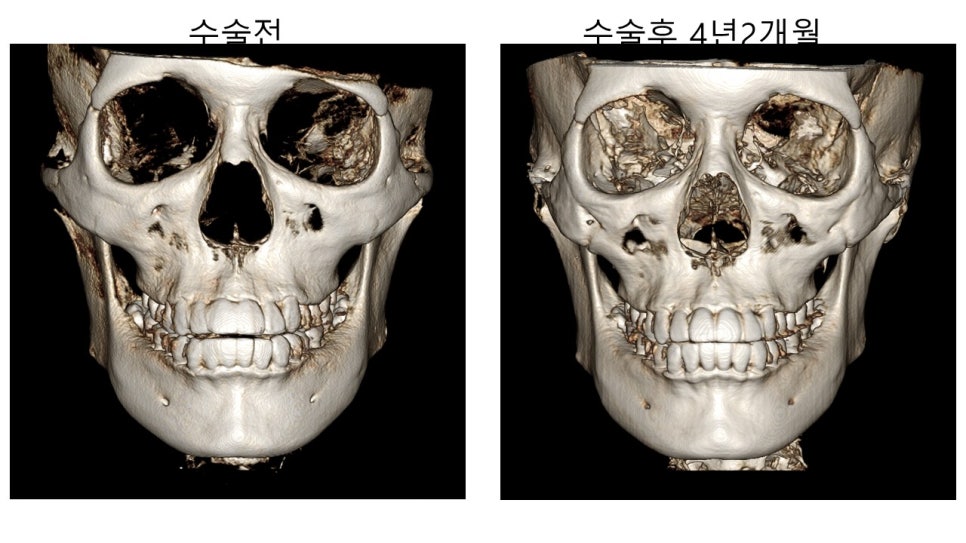
In the comparison of the preoperative and postoperative 3D CT images above, the actual position of the cheekbone has moved inward, and the contour of the midface is expected to have become smaller.
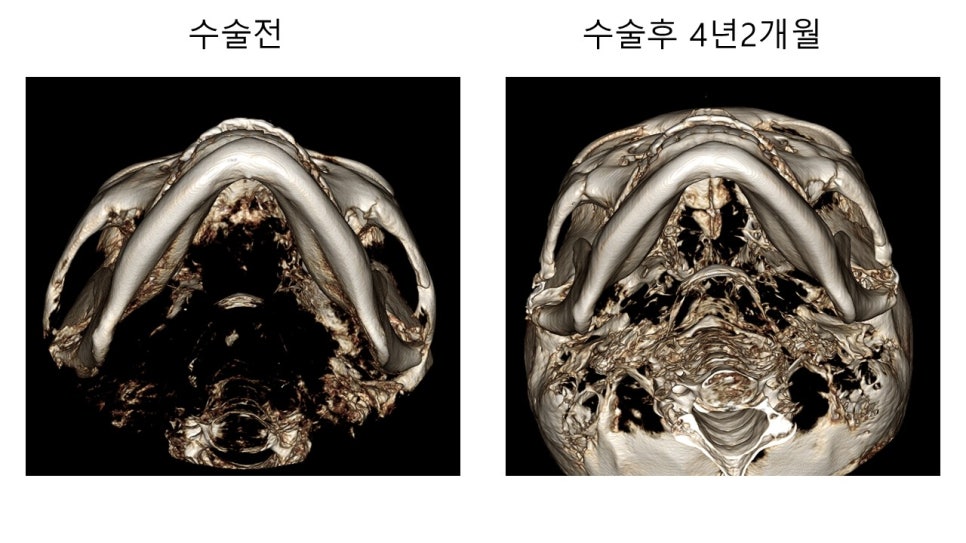
Even in the 3D CT image viewed from the base, you can confirm that after surgery the arch of the zygoma has moved inward beyond the temporomandibular joint.
However, the actual appearance visible through the skin seemed to show almost no change in facial shape compared with before surgery, and in a way, it even felt as though the face had become wider than before surgery.
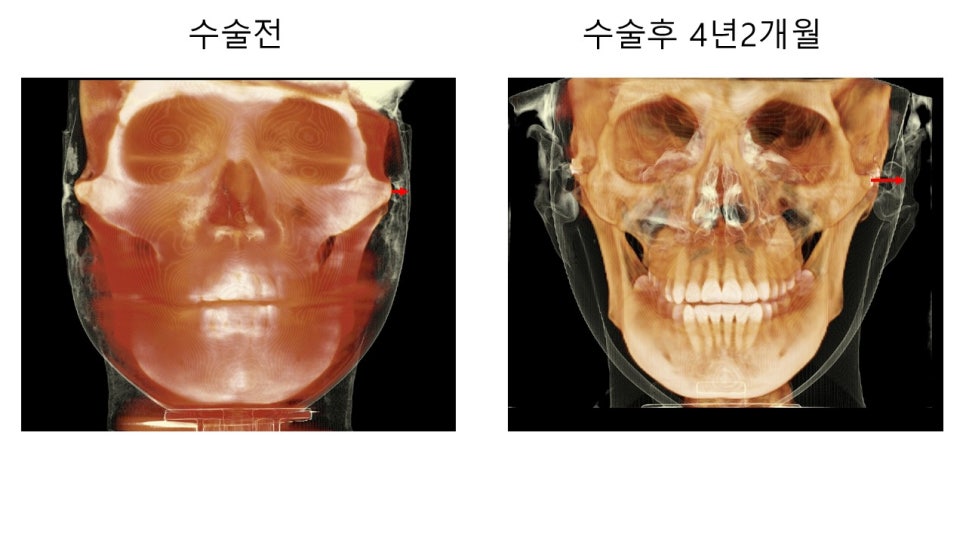
The Importance of Soft Tissue in Contour Improvement - Changing Soft Tissue Conditions with Rainbow Injection
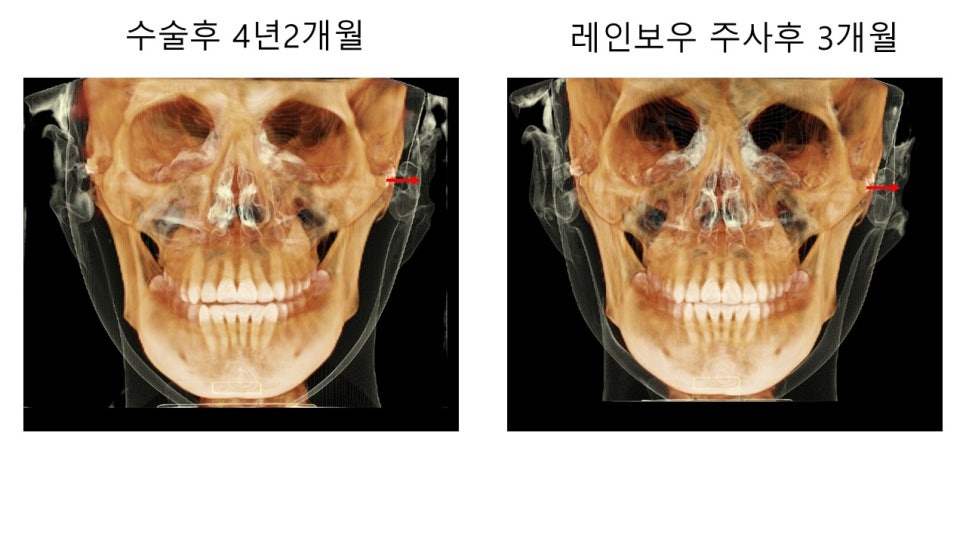
Although four years had passed since the cheekbone reduction surgery, the face still did not appear any smaller at all, and I also felt very apologetic to the patient, so I performed Rainbow injection.
Fortunately, when the patient returned three months after the Rainbow injection to check the progress, satisfaction was very high, and several misunderstandings and distrust toward me were also resolved.
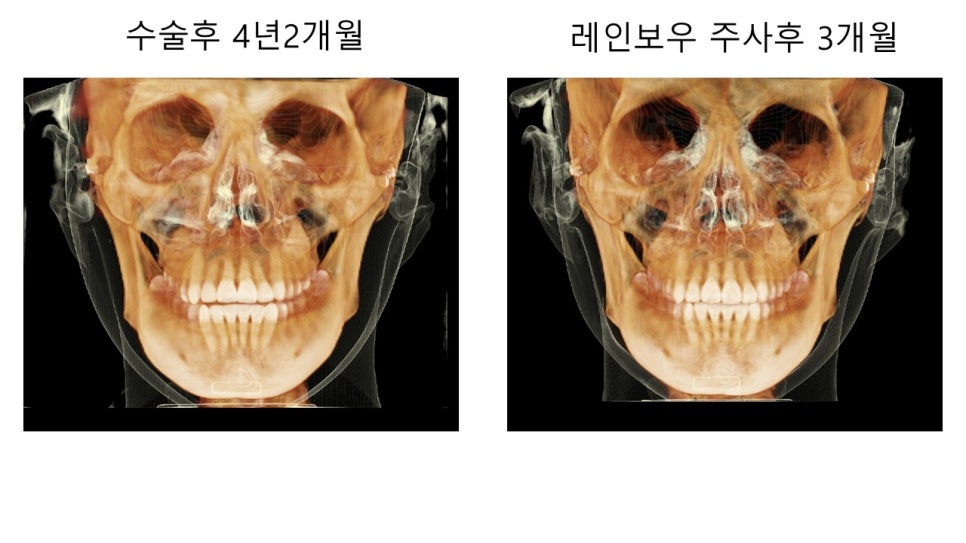
By comparing the distance between the bone position and the outer skin contour before and after Rainbow injection, a clear difference can be seen.
To make it clearer, I analyzed CT cross-sectional images at the same level before and after the procedure.
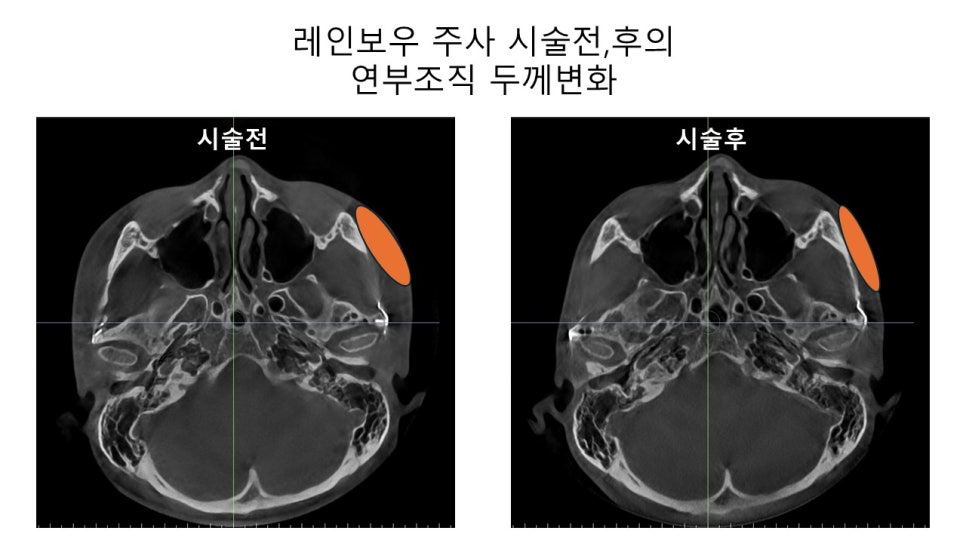
In this post, we looked at the importance of facial soft tissue in methods used to improve facial contours.
Rainbow injection is a compound preparation made by combining and formulating seven proven injectable ingredients that I personally selected, with the dosage ratio adjusted according to the characteristics of the facial fat layer in each area.