Among those considering facial contouring surgery, I think many are hoping for dramatic changes through contouring surgery of the facial bones.
However, the degree of change in face shape achieved through facial contouring surgery can vary greatly depending on each individual’s condition.
To understand this better, it is necessary to understand the various factors that determine the contours of the face.
In this post, I will briefly explain the various components that determine our facial contours, along with some basic anatomical points.
진단
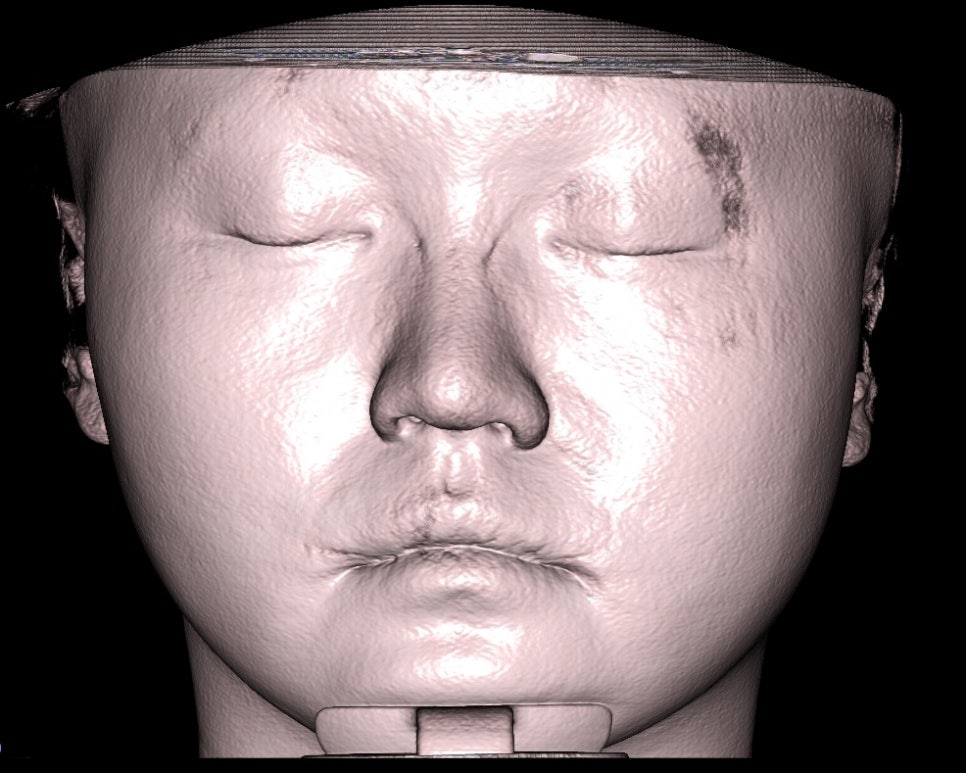
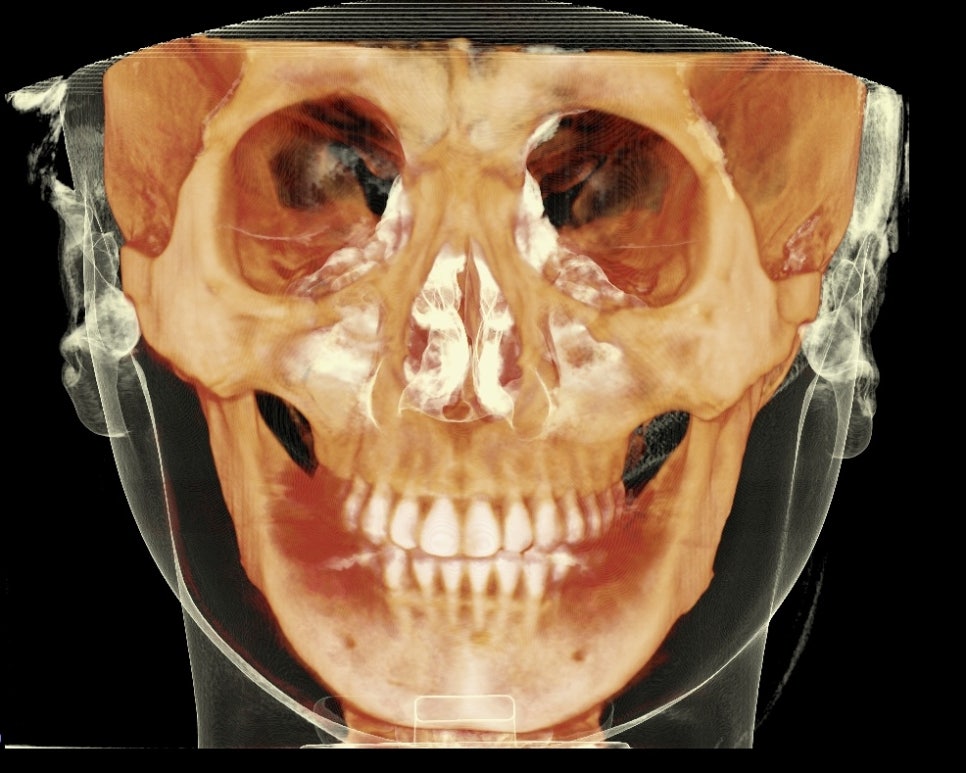
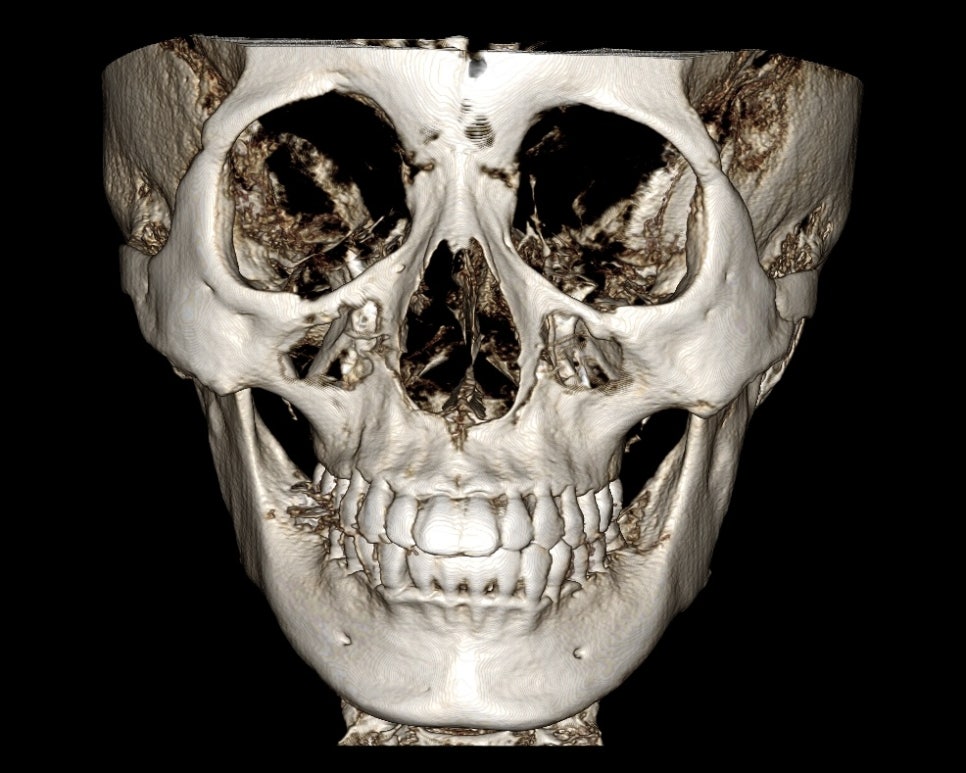
Previous image
Next image
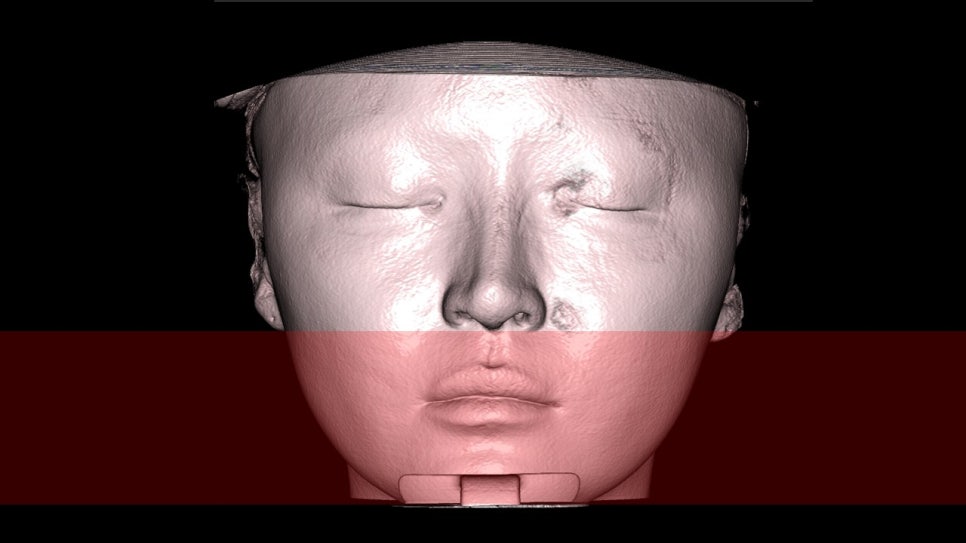
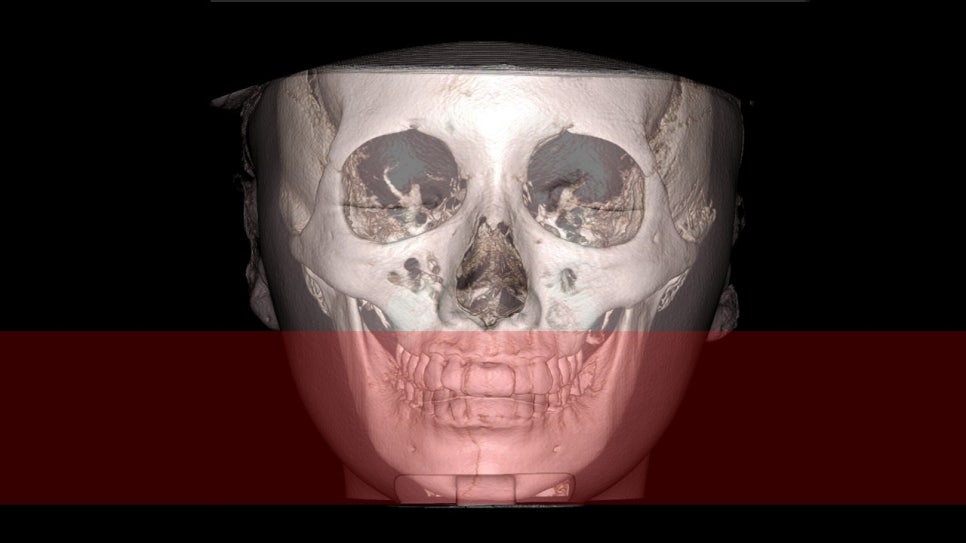
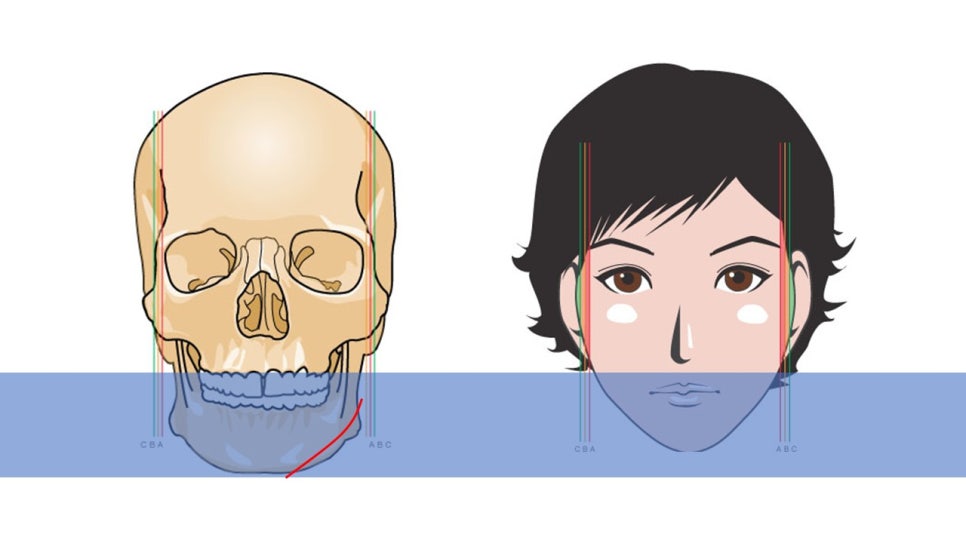
As shown in the slide images above, the contours of our face that are visible from the outside are determined by the overall condition of the facial bones and the soft tissues covering them.
As everyone knows, facial bones are made up of the skull and the facial bones.
Soft tissue can be understood as the somewhat soft tissue covering the bones, but anatomically speaking, it refers to tissues such as muscle, fat, and skin.
The overall shape of the face that is visible from the outside is as shown in the image above,
while the condition and structure of the facial bones are as shown in the image above.
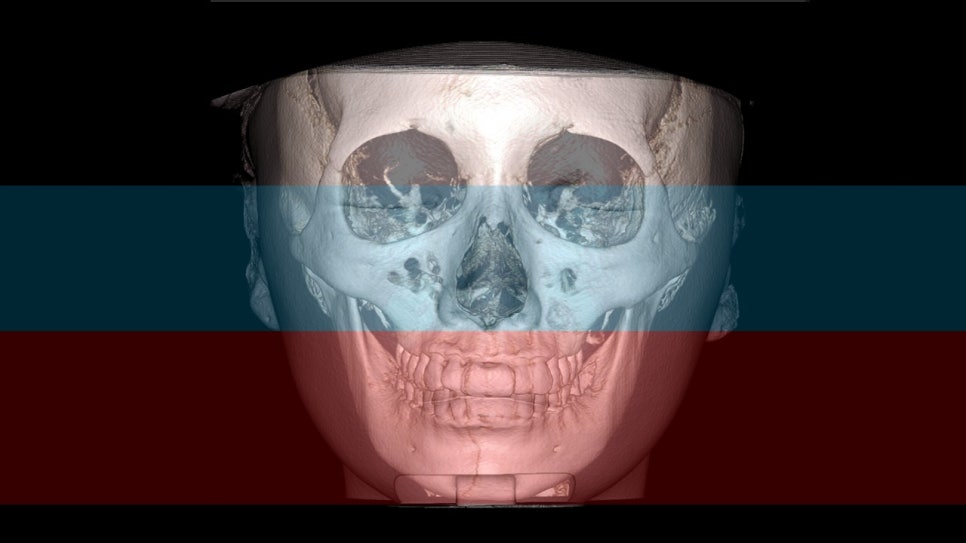
If you look at the contour lines of the facial bones and the outermost skin, you could say they are like the state shown above.
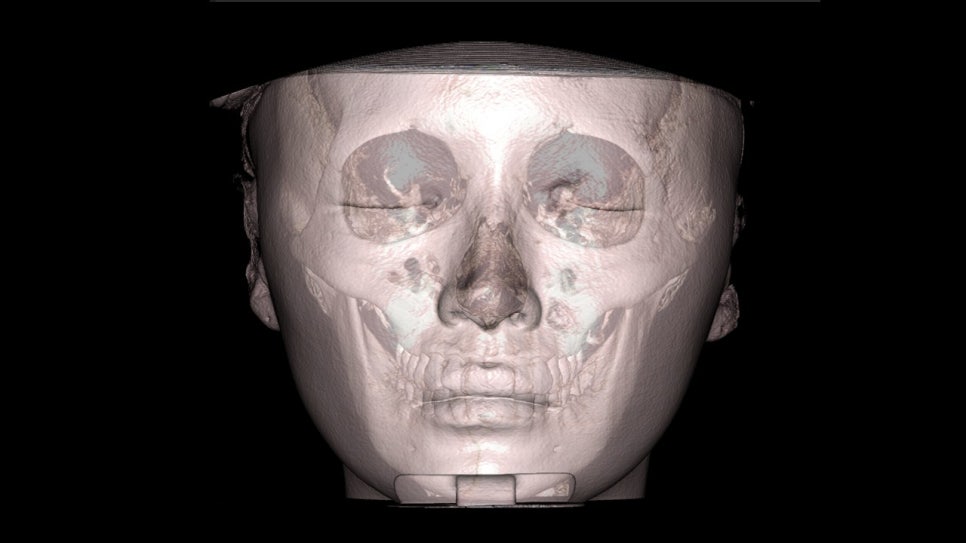
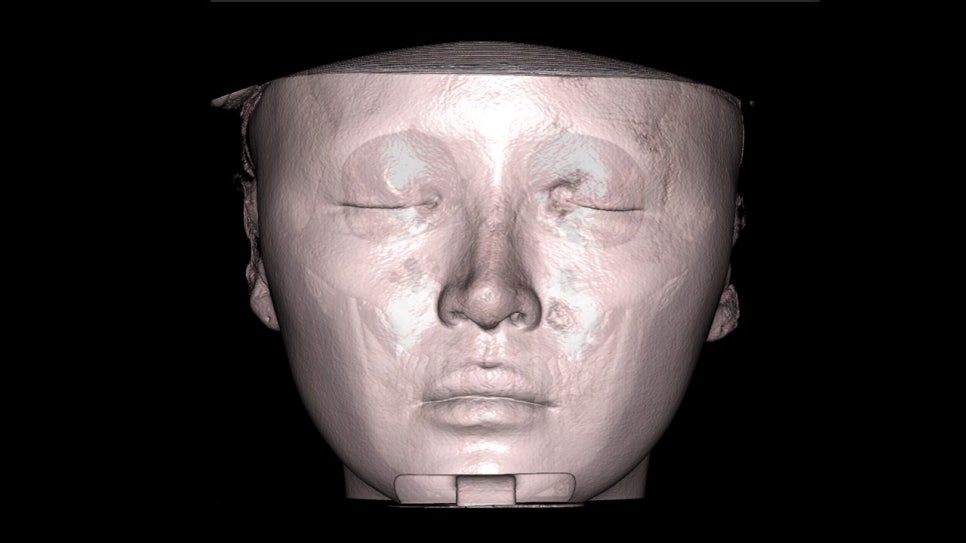
As shown in the images above, the shape of the face is not determined by the contour of the facial bones alone. There is a certain gap between the final skin contour that is revealed and the shape of the bones, and depending on each individual’s condition, the gap between the bone shape and the externally visible contour can vary greatly.
If we divide the facial contour into regions for convenience, it can be divided into the middle part of the face (midface) and the lower part of the face (lower face), as shown in the image below.
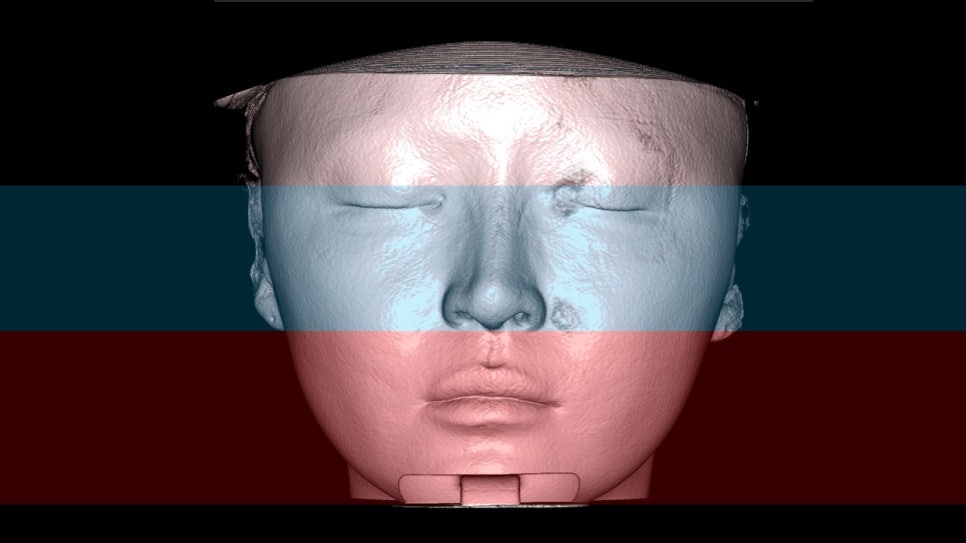
First, looking at the middle part of the face, the cheekbones and maxilla form the foundation, and soft tissue covers them, as shown in the image below.
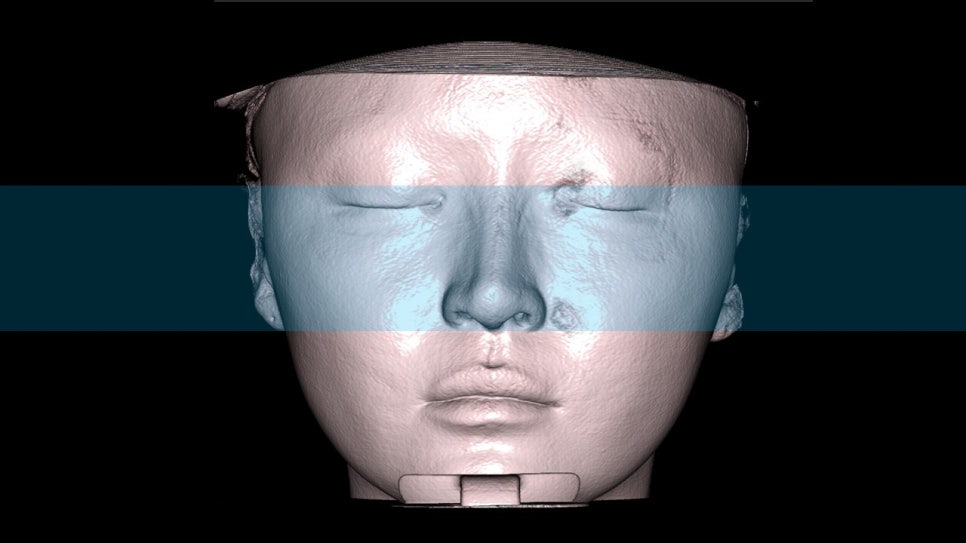
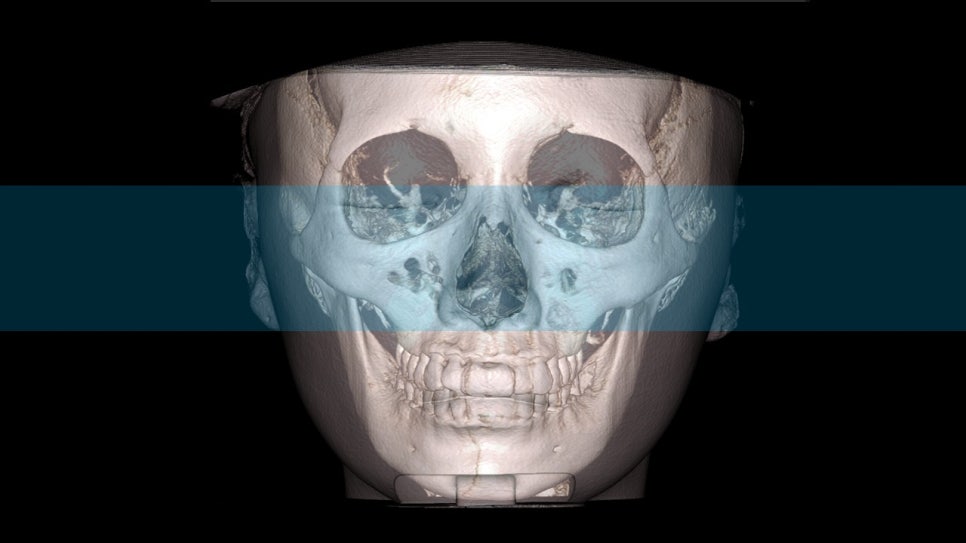
Looking at the lower part of the face, the mandible forms the foundation, and soft tissue composed of muscle and fat covers it, as shown in the image below.
Previous image
Next image
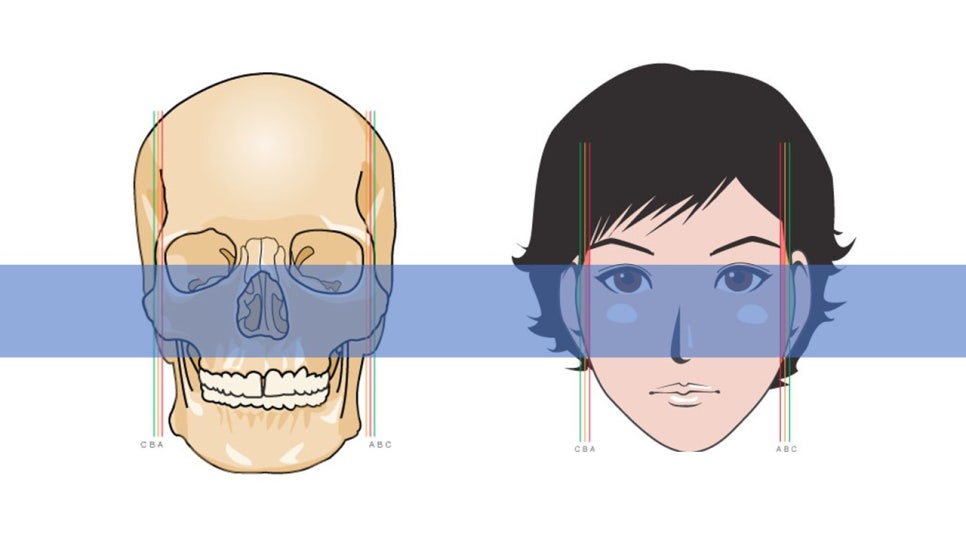
Surgical methods used in facial contouring to change face shape
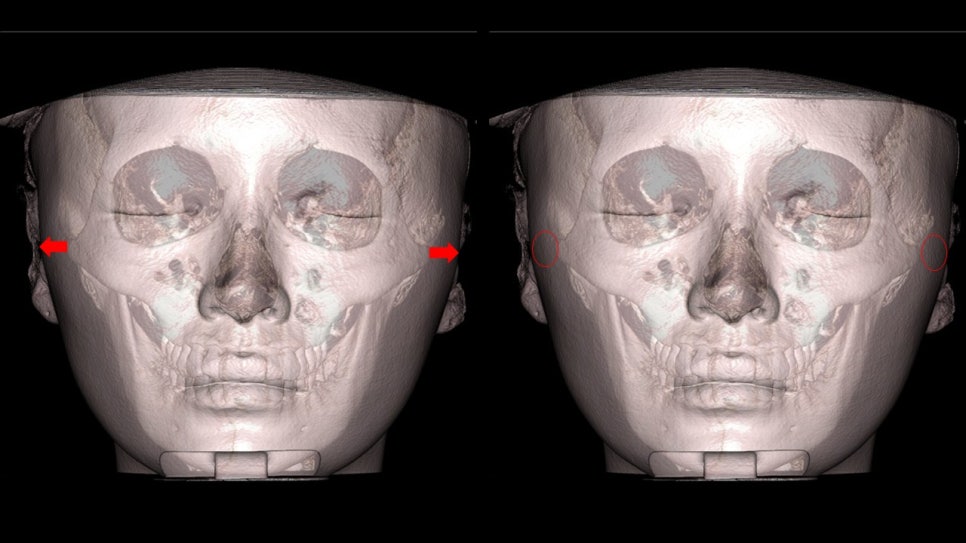
- Surgical method to reduce the width of the face in the midface - cheekbone reduction (lateral cheekbone reduction, including posterior cheekbone reduction)
-
Surgical method to improve the contour in the midface where the area below the eyes protrudes forward or in a 45-degree direction - cheekbone reduction
-
When the area below the earlobe appears prominent and angular in the lower face - square jaw surgery
-
When the lower jaw in the lower face appears generally heavy and long - full lower jaw contouring surgery, including the chin
-
In cases where the chin appears recessed, short, long, protruding, or as a double chin-like chin - chin surgery
Methods to improve soft tissue conditions to change face shape
As explained at the beginning, facial contours or face shape are not determined by the facial bones alone. As you can see in the image below, the final external contour can also vary greatly depending on the thickness of the soft tissue covering the bones.
-
Liposuction - a method to reduce the thickness of the subcutaneous fat layer located between the skin and the muscles
-
Buccal fat removal - surgery to remove the bulging fat in the cheek area below the cheekbone, deep between the muscles
-
Botox treatment - a procedure to temporarily reduce the volume of the muscles covering the bones
-
Contouring injection treatment - a procedure to temporarily reduce the thickness of the fat layer between the facial muscles and the skin
-
Autologous fat grafting
-
Filler treatment
In this post, I introduced a general overview of how face shape is determined and what methods are available for improvement.
I will cover the more specific details of each item in separate future posts.