AI-translated archive post

Indications and Methods of Double-Jaw Surgery

Lavian Plastic Surgery Clinic · 그리운 어제, 행복한 오늘, 설레는 내일... · August 22, 2011

What is double-jaw surgery?  Literally speaking, it means operating on both jaws at the same time: the maxilla (upper jaw) and the mandible (lower jaw).   Cases in which...

AI translation notice

This page is an English translation of a Korean Naver Blog archive entry. For exact wording and source context, verify against the Korean archive original and the original Naver post.

Clinic: Lavian Plastic Surgery Clinic

Original post date: August 22, 2011

Translated at: April 24, 2026 at 2:09 AM

Medical note: This translation does not guarantee medical accuracy or suitability for treatment decisions.
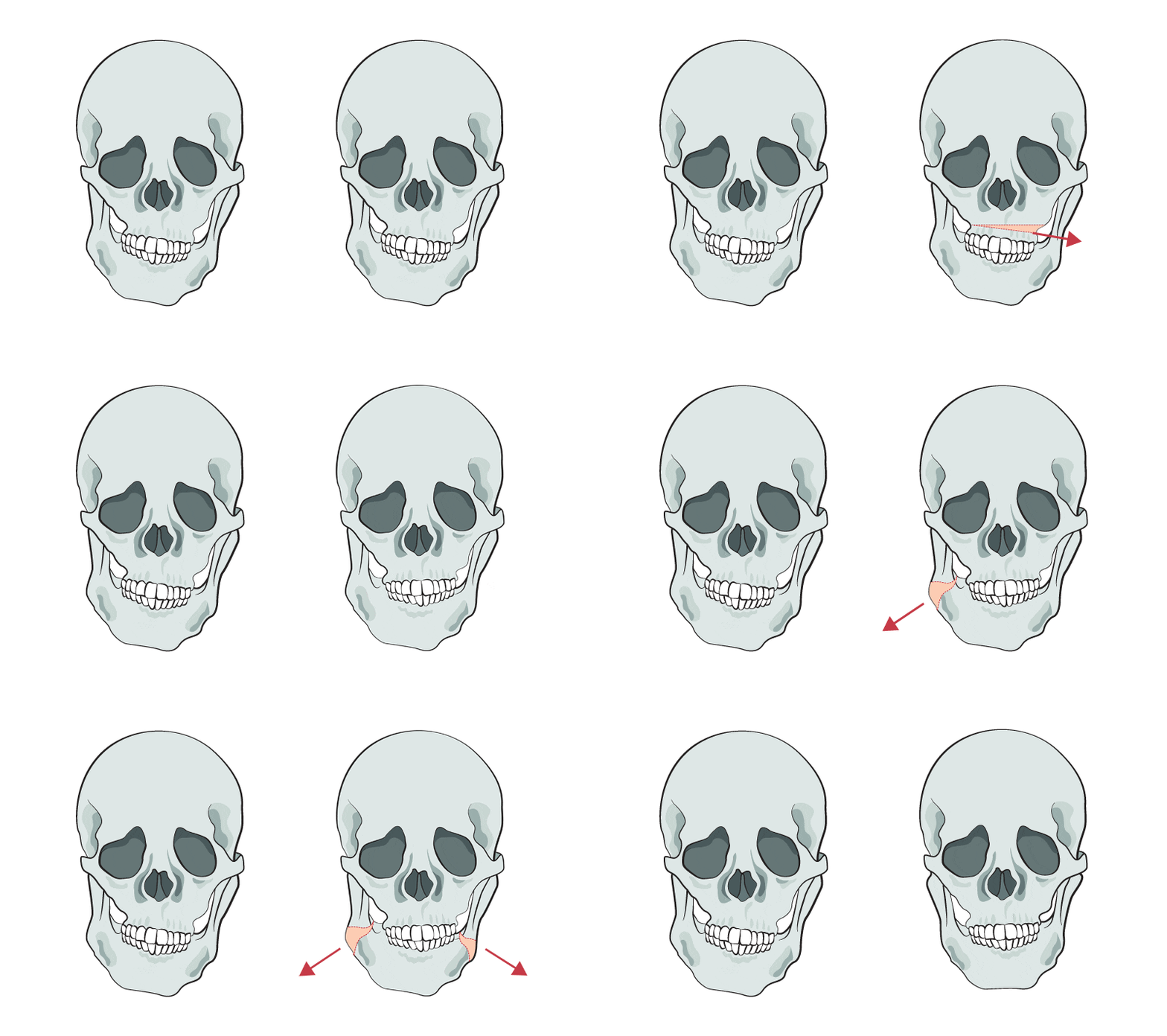
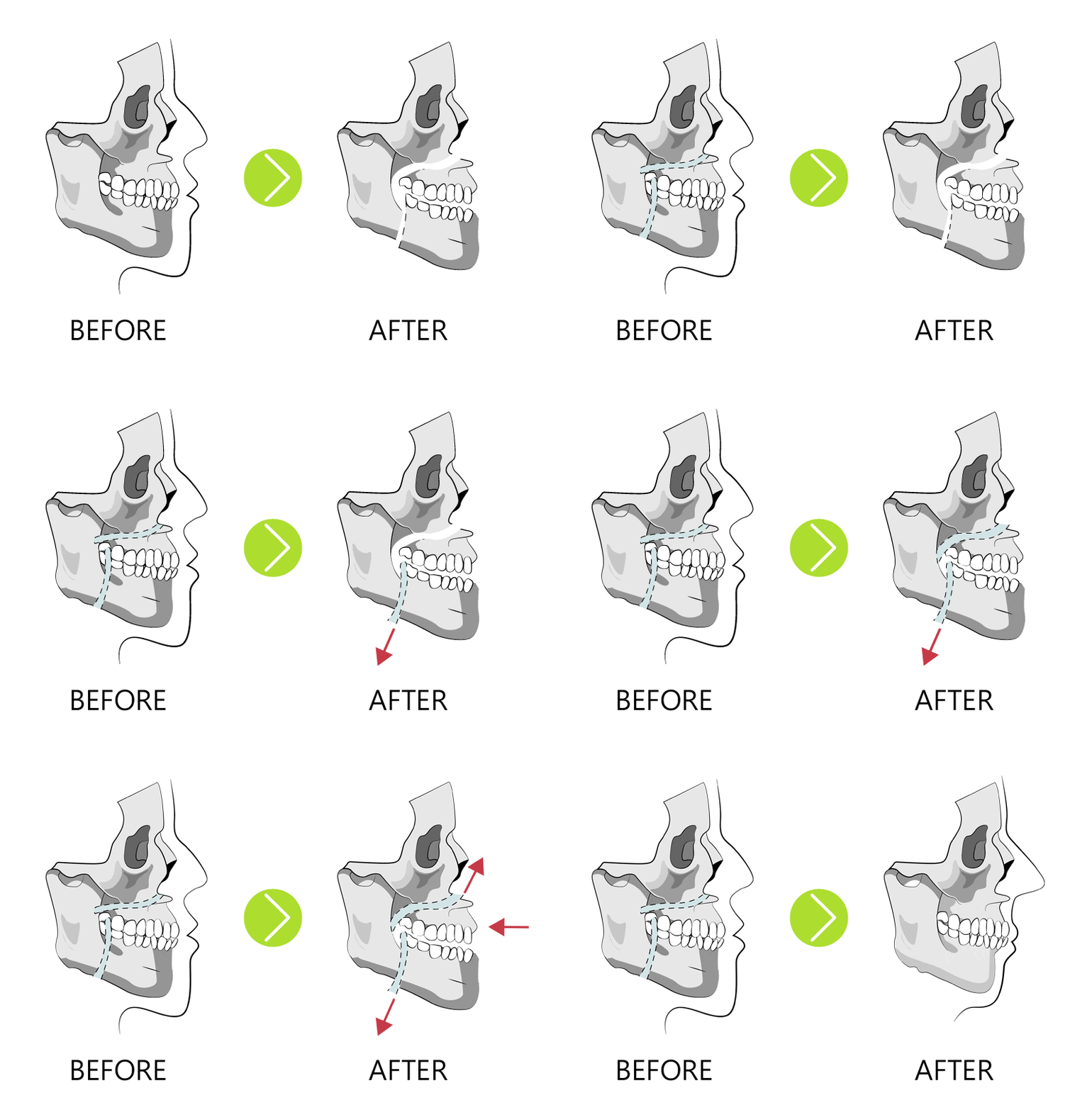
What is double-jaw surgery? 

Literally speaking, it means operating on both jaws at the same time: the maxilla (upper jaw) and the mandible (lower jaw).


Cases in which the upper and lower jaws need to be operated on simultaneously include underbite, facial asymmetry, protruding mouth, severe receding chin, and cases where the middle part of the face is excessively long.


When the upper and lower jaws are operated on at the same time, the positional relationship of the teeth attached to the maxilla and mandible also changes.


Therefore, in the case of double-jaw surgery, careful attention and consideration to the postoperative dental occlusion are essential.


Indications and Methods of Double-Jaw Surgery image 1


Indications and Methods of Double-Jaw Surgery image 2

Continue browsing

Keep exploring this clinic's public source trail

Return to the source archive for more translated posts, or open the Korean clinic profile to compare other public channels.