1. Explanation of Deep Cheek Fat Removal
Deep cheek fat removal is a method in which, when the area outside the lips appears puffy, a small incision is made inside the mouth and the deep cheek fat pad is removed.
The deep cheek fat is, as shown in Figure 1 below, about 9 cc on average on each side and has a structure that extends from the cheek area to the temples.
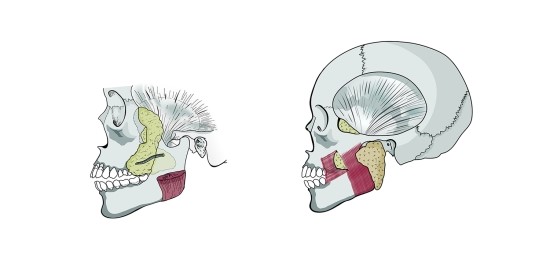
Figure 1. Location of the deep cheek fat
Commonly, the fat pad is removed through an incision of about 1 cm at the inner corner of the mouth, and removing about 4–5 cc of fat from each side is appropriate.
The surgery takes about 10 minutes, and because the fat is removed through the inside of the mouth, there are no visible external skin scars, so daily life can resume immediately after the procedure.
The cost of the surgery is about 1,000,000 won.
If too much deep cheek fat is removed, it can result in the outer cheek area appearing sunken, as shown in Photo 1.
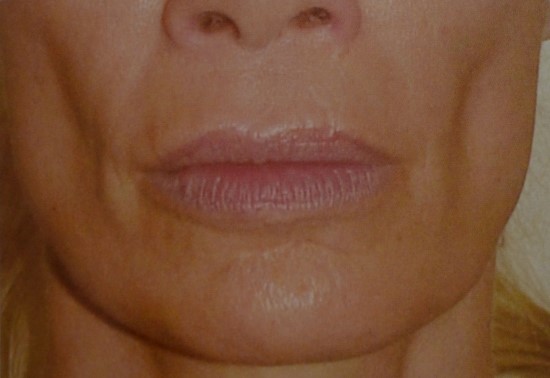
Photo 1. When too much deep cheek fat has been removed
2. Important Points to Be Careful About During Deep Cheek Fat Removal
There are two important areas that require caution during deep cheek fat removal.
The first is the parotid duct (salivary duct).
As shown in Figure 2, the salivary duct is surrounded by deep cheek fat and connects to the oral mucosa. Therefore, when removing deep cheek fat, special care is needed because the duct can be cut if not handled carefully.
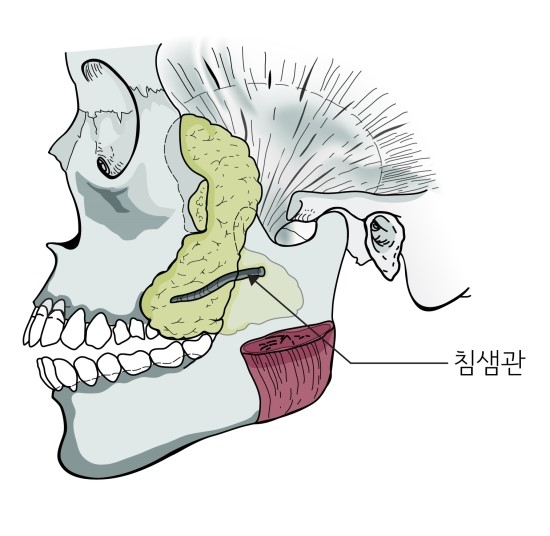
Figure 2. Location of the deep cheek fat and salivary glands
The second is a branch of the facial nerve.
Injury to a branch of the facial nerve during deep cheek fat removal is very rare, so it does not usually require much caution. However, depending on the case, if the surgeon confuses the access route, or if there is a lot of scarring in the cheek fat area of the person undergoing surgery, special caution is needed regarding the risk of injury.
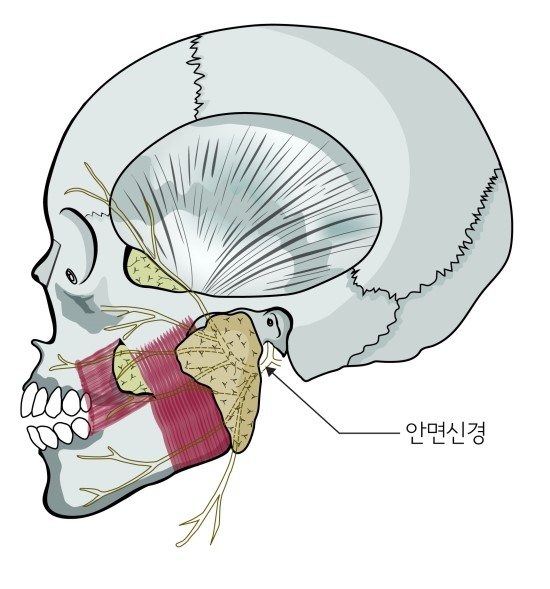
Figure 3. Location of the deep cheek fat and facial nerve
3. Progress and Care After Deep Cheek Fat Removal
Generally, when deep cheek fat removal is performed, the procedure takes about 10 minutes, so the surgery is simply carried out under sleep anesthesia or local anesthesia.
The wound inside the mouth is treated through a small incision of about 5–10 mm on each side, and the sutures used to close the surgical site are self-dissolving (absorbable), so no special treatment is needed after the surgery.
It is reasonable to understand this as a simple procedure that allows a return to daily life immediately after surgery, and it is not unreasonable to think that the swelling is much less than after wisdom tooth extraction.
4. Cases in Which Deep Cheek Fat Removal Is Needed or Helpful
Even if deep cheek fat removal is performed, not everyone will have a slimmer lower face contour. In terms of the lower face contour, if the lower jawbone is angular or the chewing muscles are highly developed, it may be difficult to expect much effect from cheek fat removal alone.
Cases in which an effect can be expected through deep cheek fat removal are those where the area in front of the angular part of the lower jaw is full; in such cases, a simple procedure can produce good results.
However, if the bone in the angular part of the lower jaw is developed, or if the chewing muscles covering that area are developed, satisfactory results can only be expected by performing fundamental correction of the angular jawbone or appropriate treatment for the developed muscles.