Buccal Fat Removal Lavian Plastic Surgery
I would like to organize a clear understanding of buccal fat and buccal fat removal surgery in the following order.
1. Location and structure
2. Surgical method
3. Appearance and amount
4. Areas where changes can be expected after surgery
5. Treatment process and progress
6. Side effects associated with surgery

- Location and structure of buccal fat
Most of the fat in the face consists of subcutaneous fat, but there is a type of fat that is uniquely located deeper than the muscles, and this is called buccal fat.
Unlike subcutaneous fat, it is located in a deeper part of the face, so it is referred to as buccal fat, and its medical term is Buccal Fat, named because it is located in the cheek area.
As shown in the figure below, the location of buccal fat (Buccal Fat) is deeper than the masseter muscle, and it consists of a body portion and three tail portions.
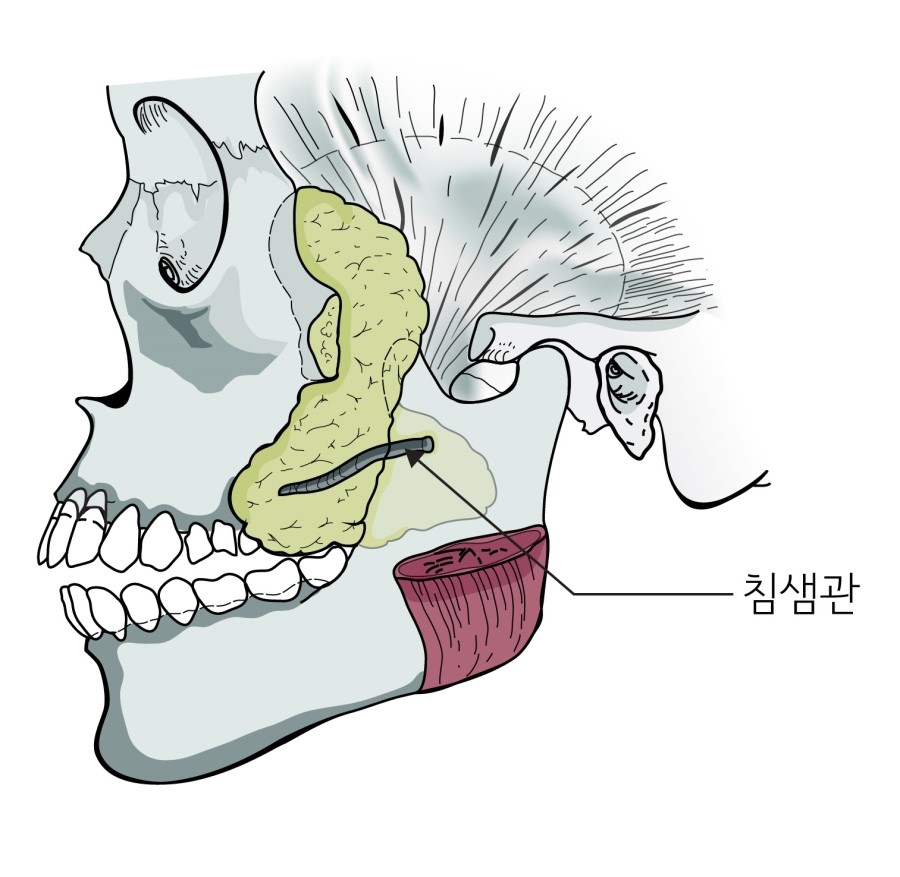
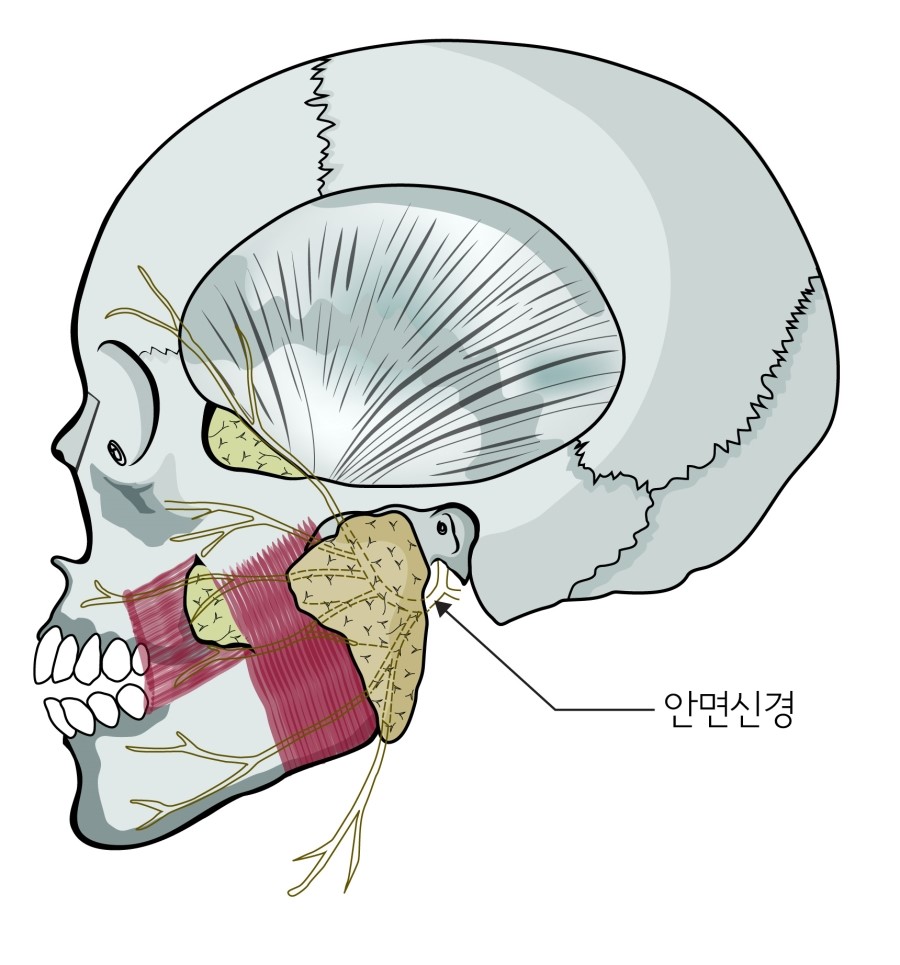
There can be considerable individual variation, and statistically, the average amount is said to be about 9 cc on one side.
- Buccal fat removal surgery method
Buccal fat removal surgery is performed by making an incision of about 1 cm inside the mouth and removing the fat enclosed in a sac.
Subcutaneous fat is reduced by suctioning out small fat particles using a cannula, but buccal fat is a large mass of fat and cannot be removed by suction. For an accurate and definite result, the fat enclosed in the sac must be removed as a whole.
The surgery takes about 10 minutes, and although it is important to adjust the amount of fat removed according to the individual and the volume difference between both cheeks, usually about 4 to 5 cc of fat is removed from each side.
- Appearance and amount of buccal fat
The actual appearance of the removed buccal fat is as shown in the photo below, and depending on the individual and the degree of difference between the two cheeks, the amount of fat removed may vary slightly.
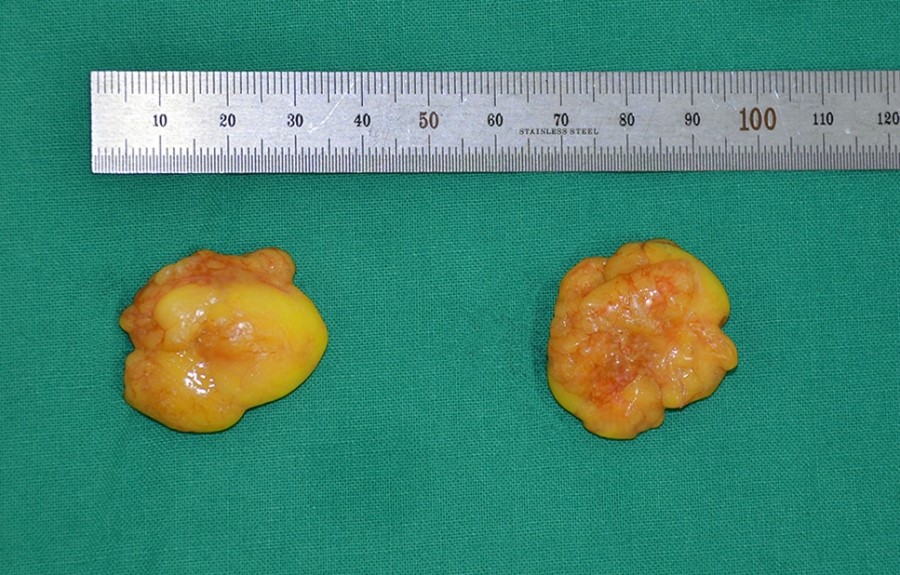
If you directly check the buccal fat that was removed after surgery, it can help reassure you about the post-surgical progress.
- Areas where changes can be expected after buccal fat removal surgery
As shown in the figure below, the area where changes in facial contour can be expected after buccal fat removal is the cheek area between the masseter muscle and the lips.
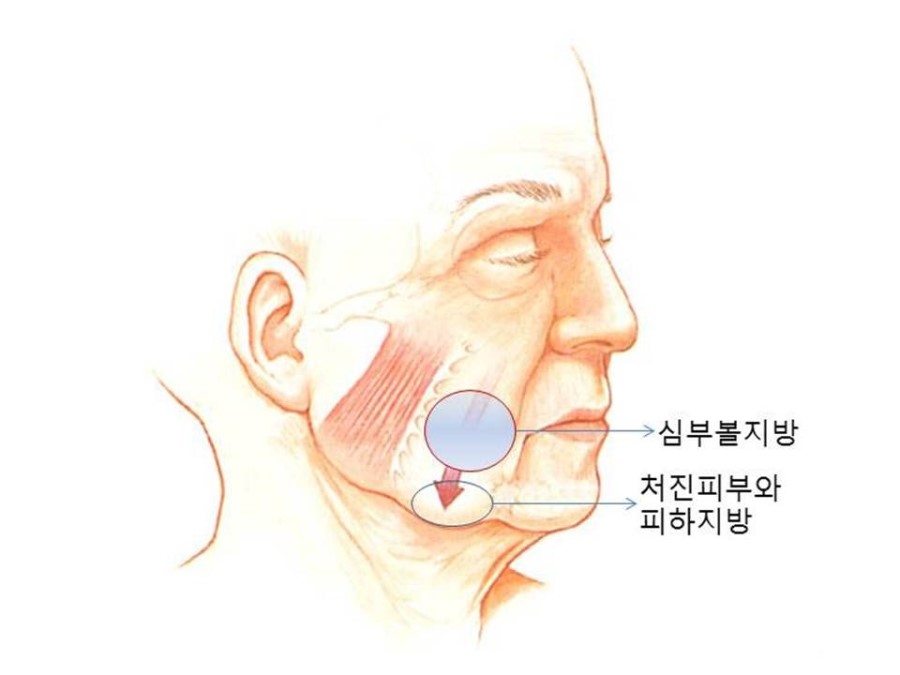
If the masseter muscle is developed and the jaw appears square, if there is a lot of subcutaneous fat in the cheek area making the face look generally puffy, or if you expect contour improvement due to skin sagging and accumulation of subcutaneous fat, it is appropriate to consider methods other than buccal fat removal.
- Treatment process and progress after buccal fat removal surgery
Because the incision inside the mouth after buccal fat removal surgery is closed with absorbable sutures, no treatment such as suture removal is needed.
Eating and daily activities are possible immediately after surgery.
Postoperative swelling can vary greatly from person to person, but generally the surgical area may remain slightly swollen for about three days.
About 5 to 7 days after surgery, there may be no visible signs on the outside, but when touching the cheek with your hand, a firm lump may be felt.
Usually, it takes about 2 weeks to 1 month for the cheeks to look somewhat smaller after surgery, and they continue to decrease little by little as time passes.
- Side effects associated with buccal fat removal surgery
The side effects that may occur in relation to buccal fat removal include the following.
a. Hematoma or excessive swelling at the surgical site
b. Salivary gland damage
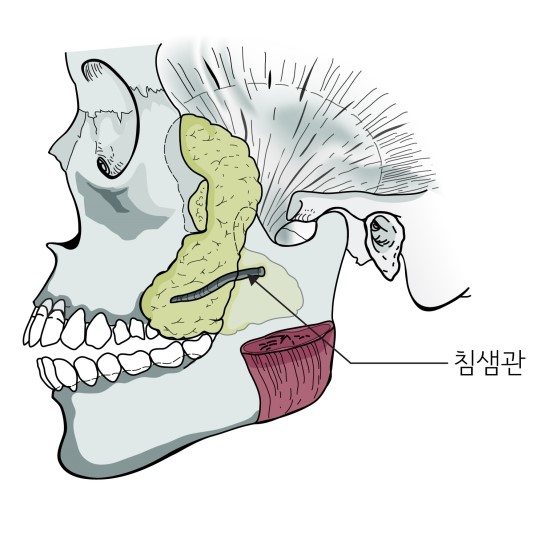
As shown in the figure above, the salivary duct is surrounded by buccal fat and connected to the oral mucosa, so when removing buccal fat, care must be taken because the duct can be cut if one is not careful.
c. Excessive hollowing of the cheek area after fat removal
In general, this does not happen often, and it can occur when buccal fat is excessively removed during a facelift.
d. Facial nerve palsy
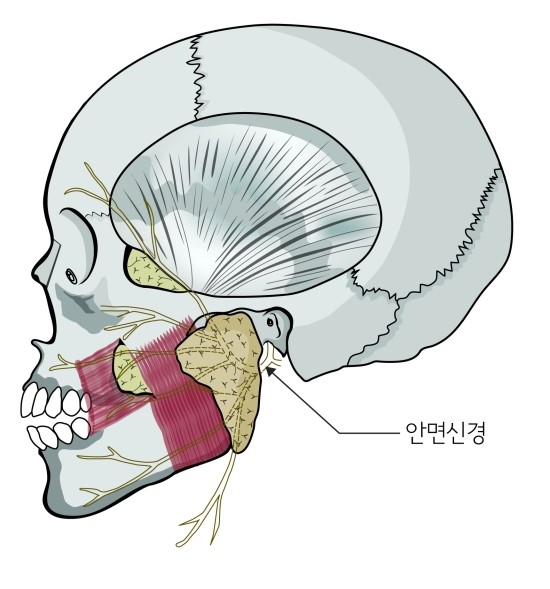
In buccal fat removal, damage to the branches of the facial nerve is very rare, so it does not require excessive concern. However, in some cases, if the surgeon confuses the access route, or if the person undergoing surgery has many scars in the cheek fat area, special caution regarding the risk of damage is required.
Director Jeong Jae-young, Buccal Fat
This file does not support direct playback.
Click to play it in a pop-up window.