The seasonal transition from winter to spring has begun.
During this time of year, the large temperature differences between day and night and the fine dust that comes in spring can easily disrupt the skin’s oil-water balance and weaken the skin barrier, making the skin more vulnerable to various skin conditions.
In particular, many people are concerned about enlarged pores.
Enlarged pores not only affect the appearance on their own, but can also trigger acne and other skin conditions,
so many people worry about them and think about ways to improve them.
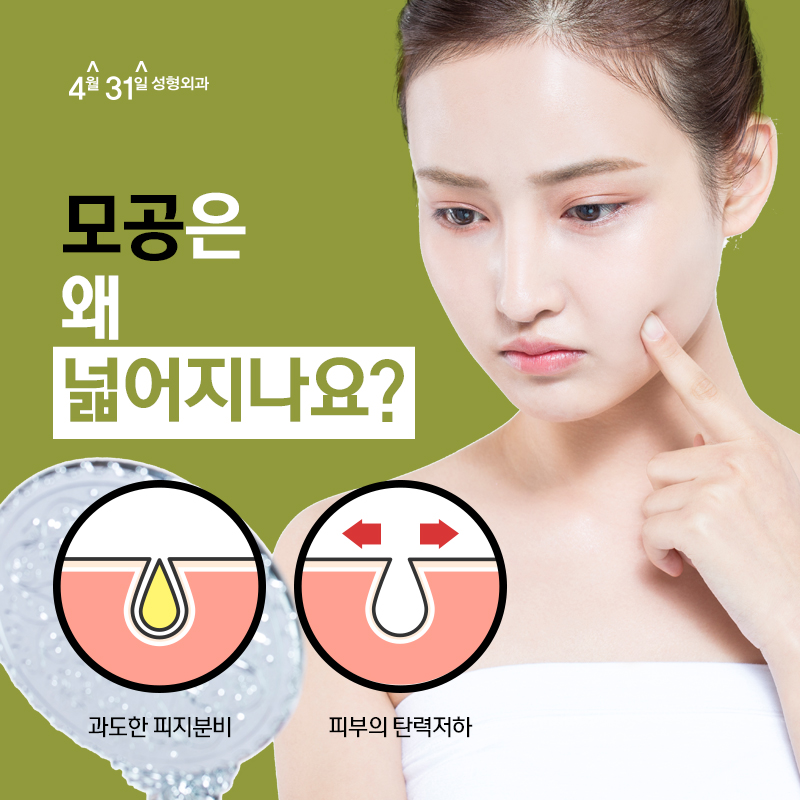
So, what exactly causes pores to become enlarged?
There are various reasons why pores widen,
and among them, let’s look at the two most common causes.
First, there is excessive sebum production, which is what most people worry about.
Next to the pores are sebaceous glands that secrete sebum.
Sebaceous glands can be stimulated by various reasons such as excessive hormone secretion and lack of sleep.
When this happens, too much sebum is produced,
and the pores, which are the passageways through which sebum is released, can become enlarged.
In addition, pores can enlarge due to decreased skin elasticity.
As time passes, aging can reduce the skin’s elasticity.
If the skin’s elasticity decreases, the pores’ elasticity also drops, and the pores can widen.
Depending on why they widen,
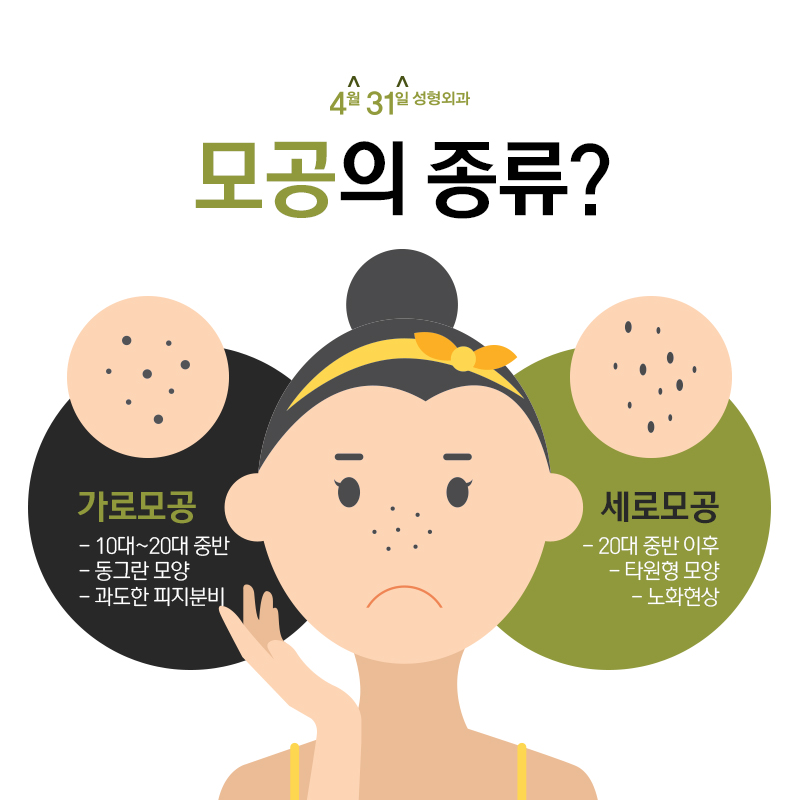
pores can be considered in two types.
First, when pores widen due to excessive sebum production,
they usually can appear from the teens through the mid-20s.
In this case, horizontal pores may appear, widening in a round shape.
In addition, when pores widen due to decreased skin elasticity,
they can appear after the mid-20s, when aging begins.
In this case, vertical pores may appear, widening in an oval shape as if sagging.
For those worried about these various pore types and the reasons they become larger,
it seems you may have hesitated to proceed because of the recovery period after reading pore fractional laser reviews.
For those of you, we will introduce Pico laser,
a method that allows you to return to daily life right away.

Pico laser is a pore laser that incorporates PICOSECOND technology, which is one trillionth of a second.
Because it delivers laser energy over a shorter period than conventional methods, it produces stronger energy.
To think about why, you can imagine a hose spraying water.
Just as water comes out more forcefully when the opening is narrowed while spraying water from a hose,
stronger energy is delivered within a shorter time.
Then, how does Pico laser address the recovery period and other concerns that came up in pore fractional laser reviews?
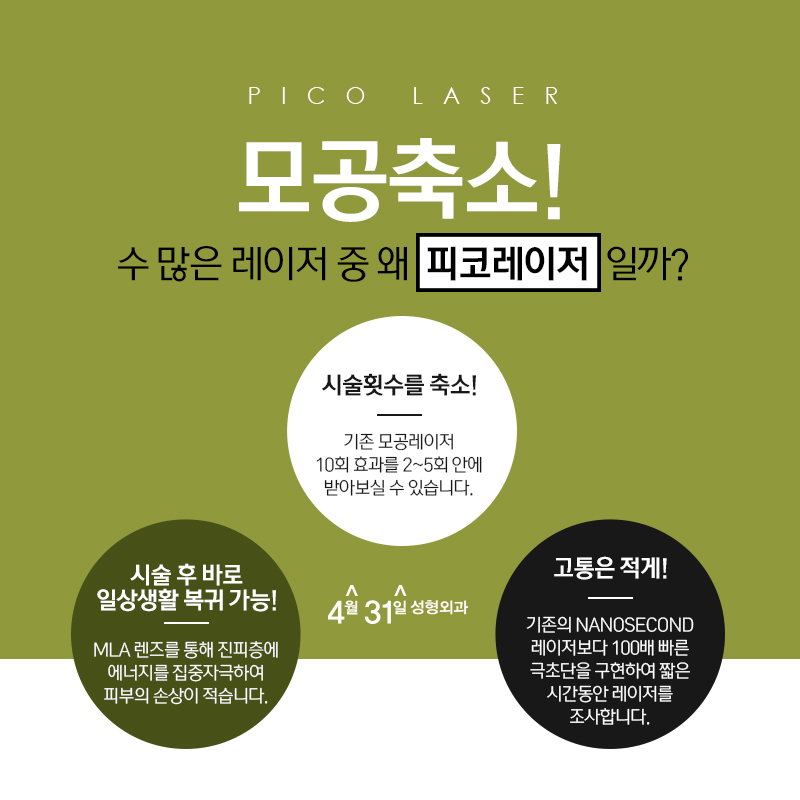
First, Pico laser uses ultra-short pulses that are 100 times faster than the NANOSECOND used in conventional lasers,
so it is less painful.
Also, because it delivers stronger energy over a time that is 100 times faster,
it can produce results that would normally be seen after 10 sessions with conventional pore lasers in just 2 to 5 sessions,
which reduces the number of treatment sessions.
In addition, because energy is concentrated on the dermis using an MLA lens,
there is less damage to the skin,
so you can return to daily life immediately after the procedure.
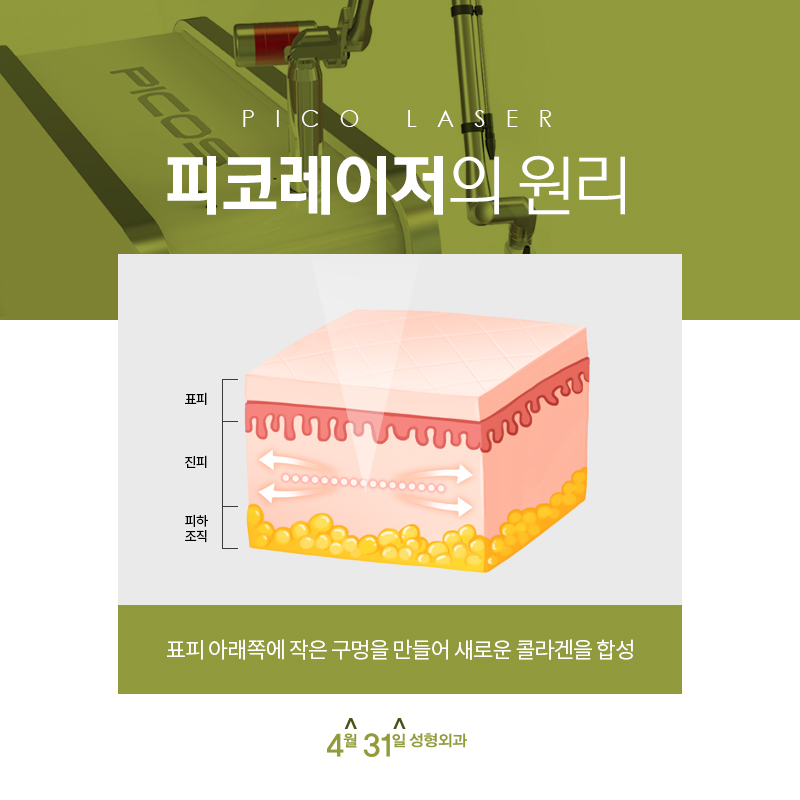
Then, what is the principle that allows for a faster recovery period than what you may have seen in pore fractional laser reviews?
Pico laser does not reduce pores by resurfacing the skin,
but instead creates tiny holes beneath the epidermis to synthesize new collagen and
fill in the skin.
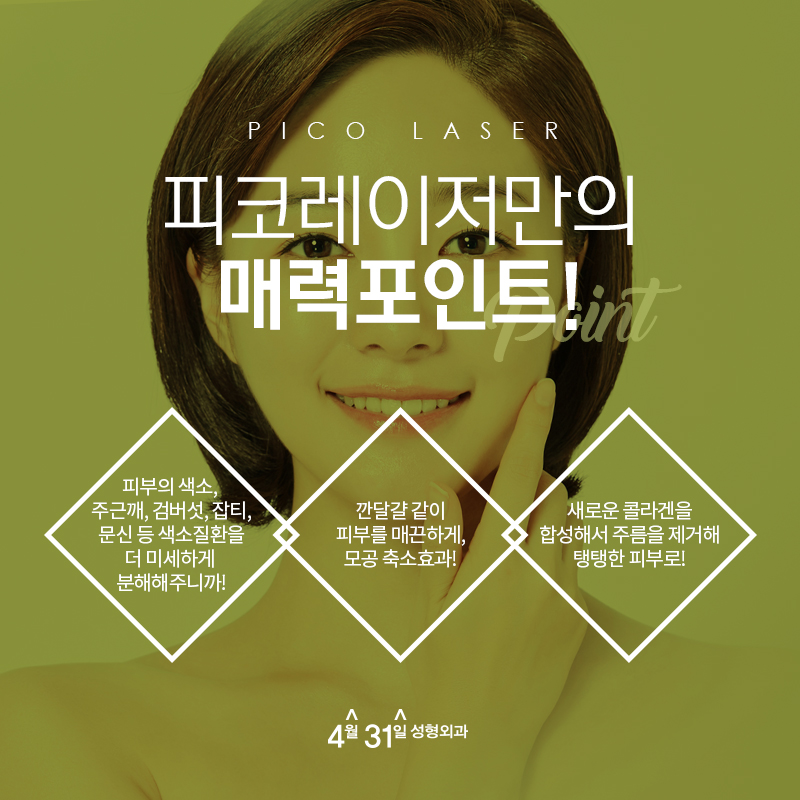
In addition, through this principle,
not only can you expect pore-reduction effects,
but also improvements in pigmentation conditions such as melasma and blemishes, as well as wrinkle-removal effects.
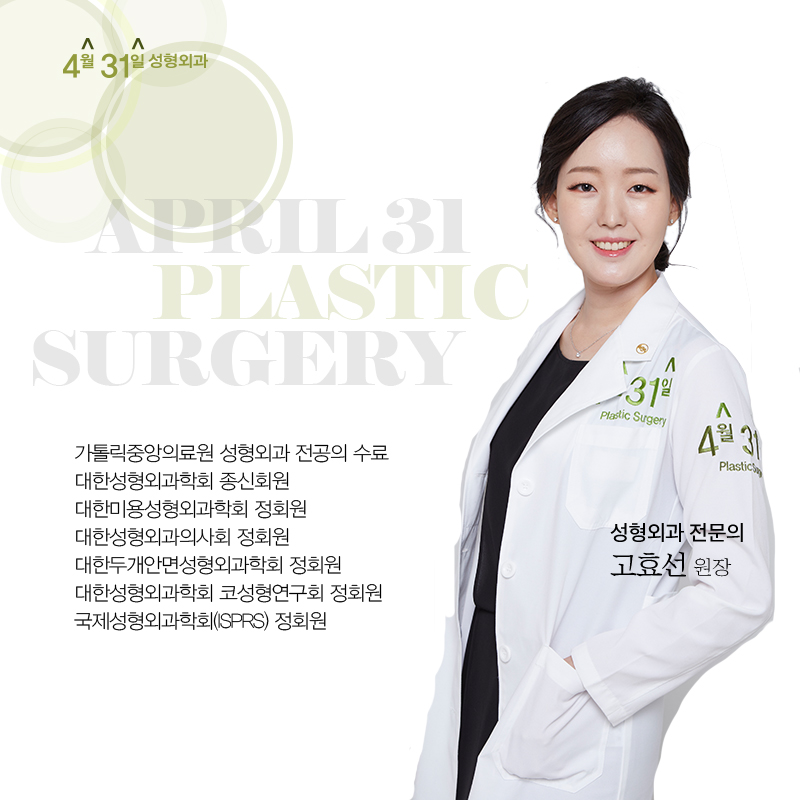
At 431, Dr. Go Hyo-seon, a board-certified plastic surgeon,
provides customized solutions for pore concerns based on each skin type.

In addition, because we are running the Hwak-day event every Tuesday and Thursday,
which offers discounts on all petite procedures,
you can also expect cost benefits.