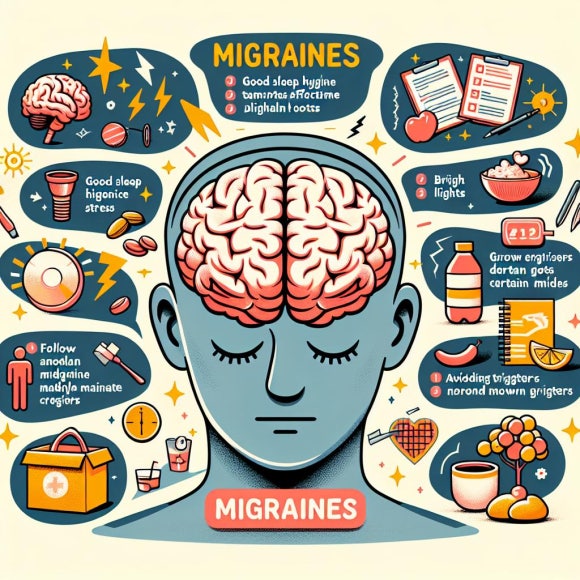
Causes and Management of Migraine
Migraine is one of the types of pain many people experience in daily life, and it can have a major impact on everyday activities. In this article, we will look at the causes of migraine and how to manage it.
The causes of migraine are varied. Genetic factors are one of them, and if there is a family history of migraine, the likelihood of developing it may increase. In addition, stress, poor eating habits, and lack of sleep can also trigger migraines. In particular, consuming certain foods such as caffeine or alcohol can trigger migraines. Hormonal changes are also one of the important causes for women, and migraines may worsen before and after menstruation.
The first step in managing migraine is identifying the triggers. Keeping a diary to record what triggers your migraines can be helpful. This can be useful for avoiding specific foods or stressful situations in advance. Second, it is important to manage stress. Relaxing tension through methods such as yoga or meditation can reduce the frequency of migraines.
Getting enough sleep also helps prevent migraines. It is important to maintain a regular sleep pattern and improve sleep quality. In addition, exercising regularly in daily life is also effective for preventing migraines. Exercise helps relieve stress and loosen the body's tension, which helps reduce migraines.
When a migraine occurs, it is best to rest in a quiet, dark environment. Taking pain relievers is also one option, but it is important to follow a doctor's instructions. Drinking enough water to avoid dehydration also helps relieve symptoms.
Migraine may not be something that can be completely resolved at once, but the methods above can help reduce symptoms. Since regular lifestyle habits and stress management are important, it is essential to find a management method that suits you and practice it consistently. We hope you can manage migraines effectively through a healthy lifestyle.