Leukemia is a blood cancer that occurs due to the abnormal production of red blood cells and white blood cells.
Because this disease can be treated effectively when detected early, it is important to recognize the early symptoms and know the correct testing methods.
In this article, we will look at the main early symptoms of leukemia and how it is diagnosed.
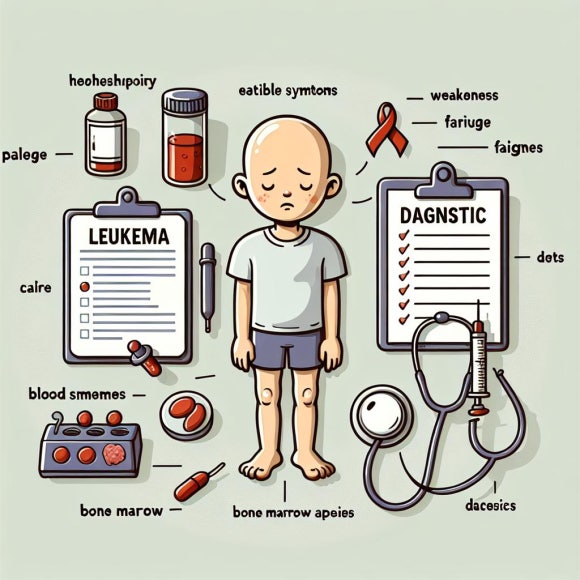
One of the early symptoms of leukemia is fatigue, which is common and can easily be overlooked.
Unlike ordinary tiredness, it often does not improve even with enough rest.
In addition, symptoms of bleeding may appear, such as easy bruising on the skin and frequent nosebleeds.
This is because platelet levels decrease, which reduces the blood’s ability to clot.
Fever and an increased frequency of infections are also among the early signs of leukemia.
This is because white blood cells do not function normally, leading to a weakened immune system.
In addition, swelling of the lymph nodes may be felt in the neck or armpits, which indicates an abnormal immune response.
Weight loss and loss of appetite may also appear as major symptoms, so they should be observed carefully.
Diagnosis of leukemia is mainly carried out through blood tests and bone marrow tests.
Basic blood tests are used to check the levels of white blood cells, red blood cells, and platelets to determine whether there are abnormalities.
If abnormal blood counts are found, a more detailed bone marrow test can confirm the diagnosis of leukemia.
In this test, bone marrow tissue is collected through a needle and the morphological changes in the cells are examined.
For a comprehensive diagnosis, genetic testing is also used.
By detecting specific gene mutations in leukemia, the disease can be classified more accurately and the appropriate treatment method can be determined.
These genetic tests also play an important role in monitoring treatment effectiveness.
Leukemia is a disease in which early detection and treatment have a major impact on the prognosis.
It is important to pay attention to small changes such as fatigue and easy bruising, and to detect the disease early through regular health checkups.
By understanding the various symptoms and the diagnostic methods associated with them, you can protect your own health and that of those around you.
If you have symptoms that raise concern, it is advisable to consult a specialist immediately and receive an accurate diagnosis.