Recently, intermittent fasting has been drawing attention as a way to improve health and support dieting at the same time.
Intermittent fasting is a method of not eating for a certain period of time, helping to cleanse the body and support weight management.
In this article, we will look at the various health benefits of intermittent fasting and the precautions to keep in mind when practicing it.
First, one of the main health benefits of intermittent fasting is the activation of the body's autophagy process.
Autophagy is a mechanism in which cells remove damaged parts on their own and regenerate through metabolism, reducing harmful substances in the body and improving bodily functions.
When autophagy is activated through intermittent fasting, it may help slow aging and reduce the risk of chronic diseases.
Intermittent fasting also helps improve insulin sensitivity and stabilize blood sugar levels.
By reducing insulin secretion after meals and maintaining a fasting state for a certain period, blood sugar control becomes easier, which has a positive effect on preventing metabolic diseases such as obesity and diabetes.
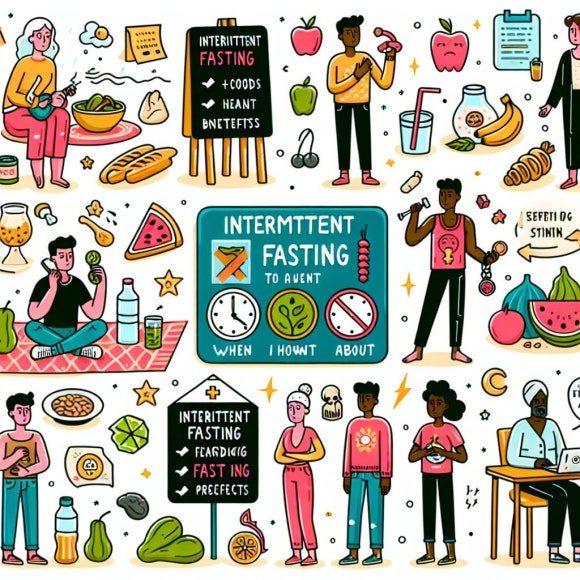
Another benefit of intermittent fasting is that it can be effective for weight loss.
Through intermittent fasting, total calorie intake is reduced and fat burning is promoted, which helps with weight loss.
In addition, it may help protect major organs and improve cardiovascular health.
However, there are also precautions to keep in mind before starting intermittent fasting.
The most important thing is to find a pattern that suits you.
Common methods include 16:8, 5:2, and 24-hour fasting, but you should choose the method that best fits your lifestyle and health condition.
In particular, people who have had eating disorders in the past or are currently receiving treatment may experience negative effects from intermittent fasting, so they should proceed after consulting a professional.
Also, long periods of fasting can cause dehydration or nutrient deficiencies, so it is important to drink enough water and maintain nutritional balance.
In the beginning, side effects such as fatigue or headaches may appear, so you should closely observe how your body responds.
Intermittent fasting is not just a diet; it is a process that can bring positive changes to overall health.
However, a careful approach tailored to an individual's health condition is necessary.
Above all, it is most important to combine it with healthy eating habits and regular exercise.
If you plan intermittent fasting while fully considering these points, you will be able to achieve sustainable health management.