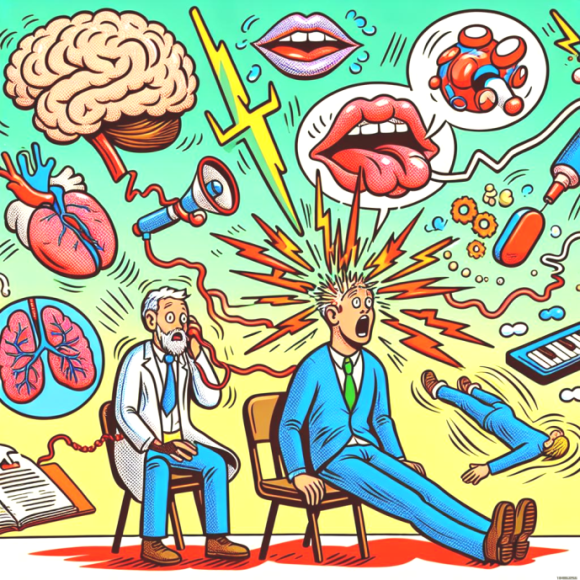
Epilepsy is commonly called seizure disorder and is one of the chronic diseases of the central nervous system. This condition is caused by abnormal electrical activity between brain cells, and sudden seizures are the main symptom. The pattern and intensity of seizures vary from person to person, but they usually involve a temporary loss of consciousness or convulsions. For this reason, epilepsy can cause many inconveniences in daily life. Today, let’s look at the symptoms of epilepsy and how to manage it.
First, epilepsy can appear with a variety of symptoms. The most common symptom is convulsions. Convulsions can occur in part of the body or throughout the entire body, and symptoms vary depending on the type of seizure. In the case of a minor seizure, a person may briefly become blank or have reduced concentration, while in the case of a major seizure, full-body convulsions or loss of consciousness may occur. In addition, some patients may feel warning signs before a seizure. These are called aura symptoms, and they often appear as certain memories, smells, or sensations.
The most important thing in managing epilepsy is to prevent seizures as much as possible. For this, consistent medication treatment is essential. Anticonvulsants help control seizures and reduce how often they occur, and most patients can manage their symptoms through them. However, because the type and dosage of medication can vary greatly from person to person, an accurate diagnosis and prescription from a doctor are important. In addition to medication, improving lifestyle habits can also help. It is good to get enough sleep, avoid stress, and maintain regular exercise and a balanced diet.
Sometimes, if seizures are not controlled by medication, other treatment methods may be considered. Epilepsy surgery can stop seizures by removing or disconnecting a specific area of the brain, and neurostimulation implant procedures stabilize brain waves. These methods are not suitable for all patients, so careful decision-making through consultation with a doctor is necessary.
Lastly, social awareness of epilepsy needs to improve. Many people still have incorrect stereotypes about epilepsy, and as a result, patients may suffer psychological distress. If you witness a seizure, it is important for people nearby to stay calm, move the patient to a safe place, and protect them until consciousness returns.
Epilepsy is a condition that can be sufficiently controlled through proper treatment and management. Based on an understanding of its symptoms, consistent management can improve the quality of daily life. We hope that both people with epilepsy and those without it will correctly understand this condition and take the necessary measures to maintain a healthy life.