Stress-Related Hair Loss: Causes and Management
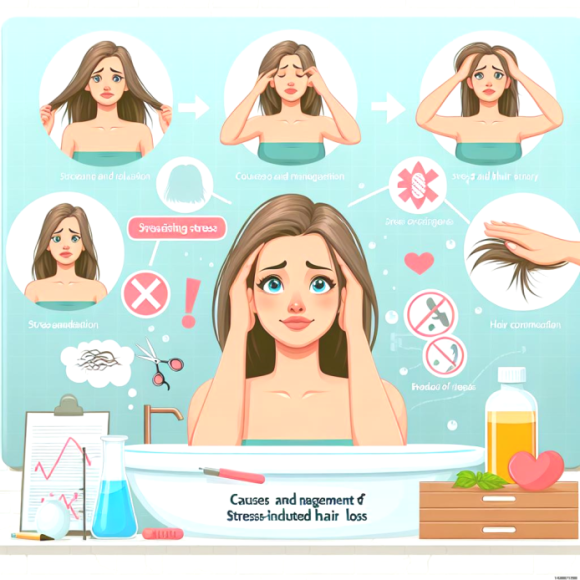
In modern society, stress has become an unavoidable part of daily life, and one of the health issues that can result from it is stress-related hair loss. In this article, we will look at the causes of stress-related hair loss and specific management methods.
Stress-related hair loss refers to hair loss that occurs when stress is the main cause. Excessive stress affects the body’s autonomic nervous system and hormone secretion, which disrupts the growth cycle of hair follicles. Stress also reduces blood flow to the scalp, lowering hair health. As a result, more hair than usual may fall out, or new hair growth may slow down.
To manage stress-related hair loss, the first important step is to reduce stress effectively. Regular exercise can be a great help in relieving stress, and activities such as meditation or yoga are also effective for easing tension. Getting enough sleep is also necessary. Lack of sleep can disrupt the body’s overall balance and worsen stress.
It is also important to maintain a balanced diet. Foods rich in vitamins and minerals promote hair health, and in particular, it is good to consume foods rich in B vitamins, biotin, zinc, and iron. Foods that may help prevent hair loss include green vegetables, nuts, eggs, and whole grains.
If hair loss continues, it is also worth considering help from a specialist. In general, dermatology can diagnose hair loss and suggest appropriate treatment methods. Treatment options may include medication or scalp treatments. Medication may include topical treatments such as minoxidil or oral medications such as finasteride, and scalp treatments may include laser therapy or scalp massage.
Finally, worrying too much about hair loss can itself become a source of stress. It is important to understand it as a natural phenomenon and maintain a positive attitude. Recognizing that hair loss may be temporary and remembering that it can often be improved through consistent care and treatment will be helpful.