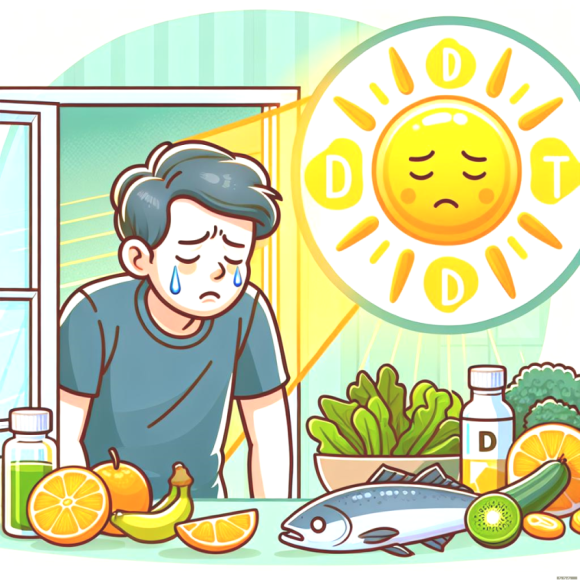
Known as the sunshine vitamin, vitamin D is an essential nutrient for maintaining our body’s health. However, many people are experiencing vitamin D deficiency, and the resulting health problems are receiving increasing attention. In this article, we will look at vitamin D deficiency, its effects, and ways to prevent and manage it.
One of the most common causes of vitamin D deficiency is a lack of sufficient sun exposure. In particular, modern people who spend much of their time indoors do not get enough exposure to natural light because they spend most of the day inside. Also, in countries located in the Northern Hemisphere, the low angle of sunlight during winter makes it difficult to synthesize vitamin D. Skin color, age, and sunscreen use can also affect vitamin D synthesis. These factors can lead to deficiency across all age groups, regardless of age.
Vitamin D is directly related to bone health. This nutrient helps the absorption of calcium and phosphorus and plays a role in strengthening bones. Therefore, if you are deficient, the risk of bone diseases such as osteoporosis and rickets may increase. It also affects the immune system, reducing resistance to infectious diseases. Recent studies have reported that vitamin D also affects mental health, including depression and anxiety.
To prevent and manage vitamin D deficiency, there are several things you can do in daily life. First, increase sun exposure. It is important to get direct sunlight for about 15 to 30 minutes a day. Second, obtain vitamin D through your diet. In particular, foods such as fatty fish like salmon, mackerel, and tuna, as well as egg yolks and fortified milk, are rich in vitamin D. Third, take vitamin D supplements when needed. For this, it is important to consult with a professional to determine the appropriate dosage that matches your individual health condition.
In conclusion, vitamin D deficiency is one of the problems that can easily be overlooked in modern society, but its impact on health is greater than one might think. Maintaining vitamin D levels at an appropriate range through adequate sun exposure and a balanced diet will greatly help maintain our physical and mental health. If necessary, it is also a good idea to get help from a professional to test and manage your vitamin D levels.