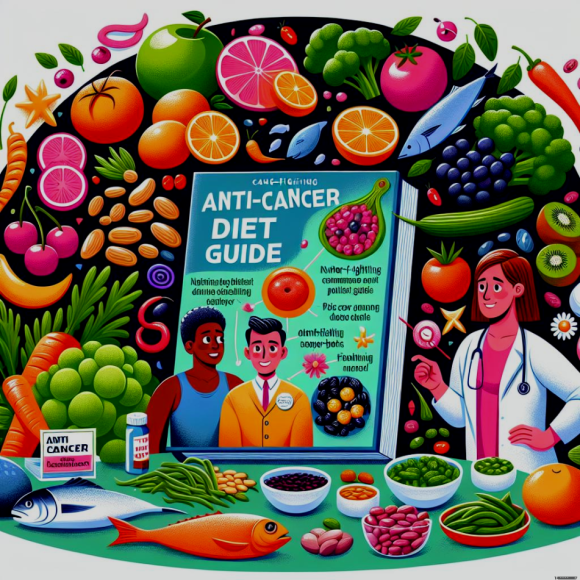
After being diagnosed with cancer, managing your diet is important in order to minimize side effects during treatment and maintain physical strength. According to various studies, a proper diet may help improve immunity and support recovery. So, what dietary components and foods should cancer patients pay attention to?
First, remember foods rich in antioxidants. Antioxidants play a role in removing harmful oxygen from the body and protecting cells. Representative antioxidant foods include berries, green and yellow vegetables, and nuts. In particular, blueberries and spinach are considered plants with high antioxidant activity. Eating fruits and vegetables of various colors is a good way to maximize the benefits of antioxidants.
Second, get enough protein. During cancer treatment, protein intake is needed to help prevent muscle loss and support wound healing. Meats such as lean meat, fish, and chicken are good sources of protein. Plant-based proteins such as tofu and soy products are also good additions to a balanced diet. Make sure to get enough protein at every meal.
Third, choose foods rich in fiber. During anti-cancer treatment, you may experience constipation or digestive problems. At times like these, fiber helps digestion and makes bowel movements more regular. Whole grains, broccoli, and carrots are fiber-rich foods that are suitable to eat daily. In addition, try to get enough natural fiber through a variety of vegetables and fruits.
Fourth, getting enough fluids is essential. Fluids are essential for regulating body temperature, transporting nutrients, and eliminating toxins. Drink at least 8 glasses of water a day, and supplement with additional fluids such as soup or herbal tea. In particular, dehydration may occur during treatment, so it is important to pay attention.
Lastly, it is best to avoid eating out, processed foods, and high-sodium foods. These foods can promote inflammation in the body. When preparing meals, use fresh ingredients that are as close to their natural state as possible and cook at home. This will help maintain a healthy eating pattern over the long term.
A diet suitable for cancer patients can vary depending on the individual’s condition and treatment process. Therefore, it is important to consult with a nutritionist or doctor and plan a diet optimized for your own needs. Proper nutrition can positively affect treatment and speed up recovery. Prepare for a better tomorrow with a healthy diet.