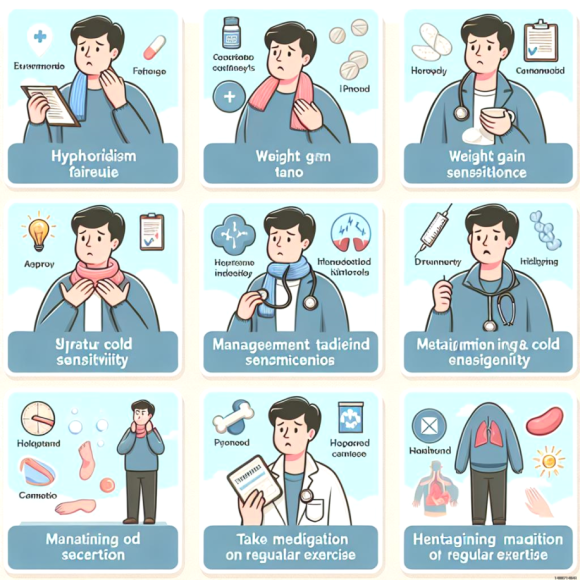
Hypothyroidism refers to a state in which the production of thyroid hormones decreases, causing the body's metabolism to slow down. This condition can lead to symptoms such as lethargy and fatigue, and if left untreated, it can result in serious health problems. In this article, we will look at the symptoms of hypothyroidism and how to manage it.
The main symptoms of hypothyroidism include extreme fatigue, weight gain, increased sensitivity to cold, dry skin, hair loss, and memory decline. In particular, fatigue and lethargy are important signs that may raise suspicion of hypothyroidism. In addition, mental health issues such as depression or anxiety may also occur, so caution is needed. If these symptoms persist, a diagnosis by a doctor is necessary.
Hypothyroidism is diagnosed through blood tests, which can confirm thyroid hormone levels. After diagnosis, thyroid hormone deficiency is generally supplemented with hormone replacement medication, and the symptoms improve. Hormone replacement may continue for life, and it is important to maintain the proper dosage through regular medical checkups.
Improving lifestyle habits is another important factor in managing hypothyroidism. Regular exercise helps raise basal metabolism and can also reduce fatigue. In addition, maintaining a balanced diet is important for staying energetic. Eating foods rich in iodine and selenium can have a positive effect on thyroid health. However, excessive iodine intake can actually worsen the condition, so caution is needed.
Stress management is also an important part that should not be overlooked. Stress can cause various health problems, and thyroid function is no exception. Methods for reducing stress through relaxation techniques such as meditation or yoga can also be considered. Adequate sleep is also an important factor in maintaining health, so efforts to improve sleep quality should be combined as well.
Finally, early detection and proper management of hypothyroidism are most important. If symptoms are suspected, it is important to consult a doctor immediately and receive the right treatment. You should strive to maintain lifestyle habits that suit you so that you can continue living a healthy life.