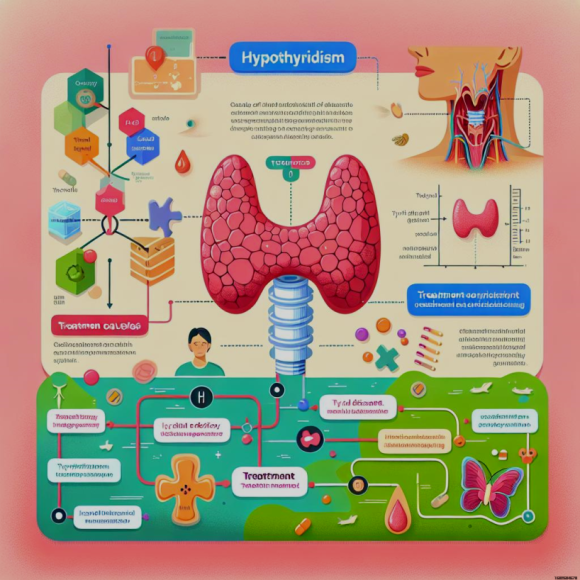
Hypothyroidism is one of the common endocrine disorders experienced by many people around the world. This condition occurs when the thyroid does not produce enough hormones, which lowers the body's metabolic rate and can lead to various health problems. In this article, we will look at the main causes of hypothyroidism and its treatment methods.
First, a major cause of hypothyroidism is Hashimoto's thyroiditis, an autoimmune disease. Hashimoto's thyroiditis is a condition in which the immune system attacks the thyroid, causing inflammation and interfering with hormone production. Iodine deficiency can also cause hypothyroidism. If there is not enough iodine, which is needed to make thyroid hormone, thyroid hormone production decreases. Although rare, thyroid function can also decline due to certain medications or treatments, and postpartum thyroiditis, which can occur in women after childbirth, is another cause.
The symptoms of hypothyroidism can vary. Common symptoms include fatigue, weight gain, depression, sensitivity to cold, and dryness of the skin and hair. These symptoms are similar to those of other conditions, which can make diagnosis difficult, but they can be confirmed through blood tests that measure thyroid hormone levels.
Treatment for hypothyroidism is mainly done through hormone replacement therapy. By artificially supplying thyroid hormone, it replenishes the deficient hormone levels and restores the body's metabolic balance. Early in treatment, it is important to work closely with a doctor to find the appropriate hormone dosage. Some patients may need to continue hormone replacement therapy for life, and regular blood tests are necessary to monitor hormone levels.
To help prevent hypothyroidism, it is important to maintain a diet rich in iodine. By consuming seaweed, fish, dairy products, and similar foods, you can maintain a steady iodine intake, which helps thyroid health. In particular, if you live in an area or environment where iodine deficiency is a concern, it is a good idea to consider iodine-fortified foods or supplements.
In conclusion, hypothyroidism is a common condition, but with proper diagnosis and treatment, many people can manage their symptoms and live normal lives. If you suspect symptoms of hypothyroidism, it is important to consult with a doctor and receive appropriate testing.