The Small World in the Gut
The Health Secrets of Gut Microbiota
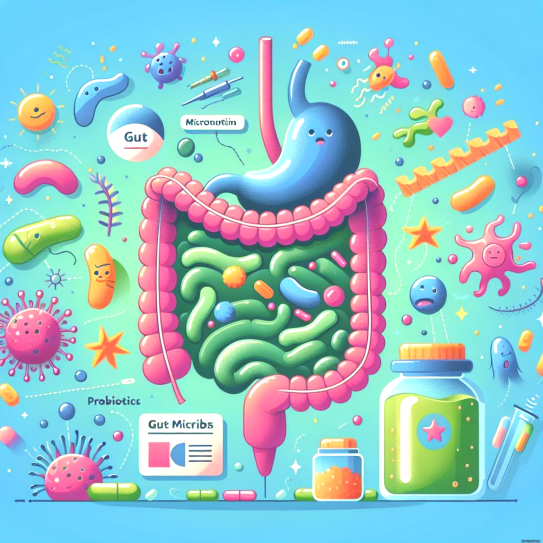
Gut microbiota are tiny living organisms that reside in our digestive system and have a major impact on health. Trillions of microorganisms live in our intestines, and they play important roles in digestion, the immune system, and even mental health. As research on these microorganisms continues, it is becoming increasingly clear that they have a positive effect on maintaining health.
There are as many as more than 100 trillion microorganisms in our intestines, and each person has a unique balance of these microorganisms. Maintaining a healthy gut microbiota ecosystem not only improves digestive function, but also helps strengthen immunity, reduce inflammation, and manage body weight. This means that keeping a steady balance is important. If that balance is disrupted, it can lead to health problems such as indigestion, obesity, and depression.
One of the best ways to maintain a healthy balance of gut microbiota is to adjust your diet. Foods rich in fiber are used as an energy source by microorganisms and promote gut health. Eating foods high in fiber, such as whole grains, fruits, and vegetables, is essential for keeping gut microbiota healthy. In addition, fermented foods supply beneficial microorganisms and increase the diversity of microbes in the gut, further promoting gut health. For example, various fermented foods such as yogurt, kimchi, and doenjang can be good choices.
However, excessive stress and poor lifestyle habits can negatively affect gut microbiota health. Stress can disrupt the balance of gut microbiota, and junk food and excessive sugar intake have a harmful effect on beneficial microorganisms. Therefore, it is important to manage stress and maintain a healthy diet.
An interesting fact about gut health here is that there is a close connection between the gut and the brain. This relationship, known as the gut-brain axis, affects our emotions and cognitive function. Gut microbiota can send signals that influence how the brain functions, and this may play an important role in mental well-being. Research findings also suggest that increasing the diversity of gut microbiota may reduce anxiety and depression.
In conclusion, maintaining a healthy gut microbiota ecosystem is important for overall health and well-being. A healthy diet that includes fiber and fermented foods is one of the most powerful tools for supporting this ecosystem. It is important to preserve the balance of gut microbiota through stress management and healthy lifestyle habits. If we understand how much the small world in the gut affects our health, we can live healthier lives.