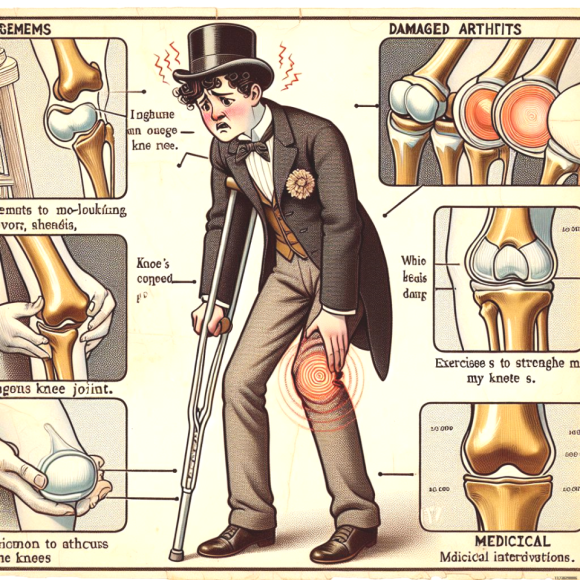
Knee arthritis is a condition in which inflammation occurs in the knee joint, causing pain and stiffness, and it mainly affects older adults. However, in recent years, the number of people with arthritis has also been increasing among younger people due to poor lifestyle habits and lack of exercise. Let’s look at the symptoms of knee arthritis and how to manage it.
One of the main symptoms of knee arthritis is pain. In the early stages, pain is usually felt when moving the knee or going up and down stairs, but as it progresses, pain may appear even at rest. Along with this, the knee joint may become stiff and swelling may occur. There may also be sounds coming from the knee, and it may become difficult to bend the knee or feel uncomfortable when walking.
To manage knee arthritis effectively, it is important to start appropriate treatment from the early stages of symptoms. In mild cases, symptoms can be eased through changes in lifestyle habits. Weight management is one of the most important factors for reducing the burden on the knee joint. As weight decreases, the pressure on the joint is reduced, which may help relieve pain. In addition, regular exercise strengthens the muscles and helps support the knee joint. It is best to keep up appropriate exercises such as walking, swimming, and cycling.
Medication treatment can also be considered. Nonsteroidal anti-inflammatory drugs or pain relievers can help reduce pain and inflammation. However, medications may cause side effects when taken long term, so they should be used after consulting a doctor. In severe cases, injection treatment or surgical treatment may also be necessary. In particular, if the knee joint is severely damaged, knee replacement surgery may be considered.
To prevent knee arthritis, it is important to develop habits in daily life that protect the joints. It is good to maintain joint flexibility and strengthen muscles through stretching or aerobic exercise. To avoid putting strain on the knees, maintain proper posture and avoid sitting for long periods or staying in the same position for too long. Wearing shoes that do not place excessive strain on the joints and using a knee brace when needed can also help.
If knee arthritis is detected and managed early, it is possible to maintain a better quality of life. If you have pain or discomfort, it is important not to leave it untreated and to receive appropriate care. For healthy knees, you should start reviewing and improving your lifestyle habits now.