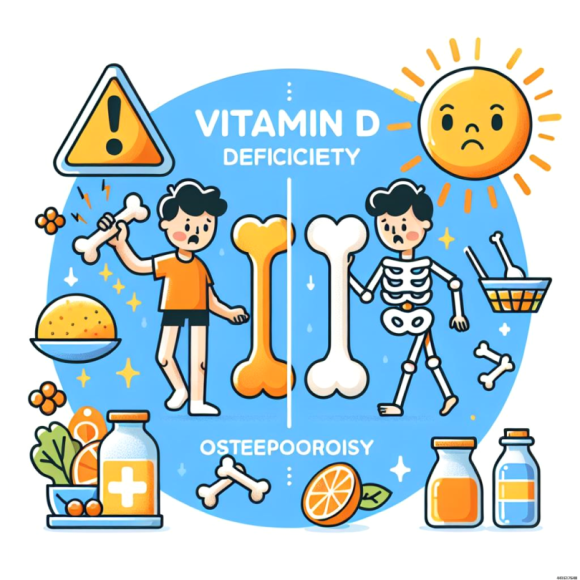
During seasons when sunlight is reduced or for those who mainly live indoors, many people worry about vitamin D deficiency. Vitamin D plays an important role in bone health by regulating calcium metabolism. Today, we will look at how vitamin D deficiency is related to osteoporosis.
The role of vitamin D is not limited to simply helping calcium absorption. Only when an appropriate amount of vitamin D is maintained in the body can the balance of calcium and phosphorus be regulated, which strengthens the structure of bones and teeth. When vitamin D is insufficient, calcium absorption does not proceed smoothly, blood calcium levels decrease, and this becomes a direct cause of weakened bones.
Osteoporosis is a condition in which bone density decreases and bone tissue deteriorates, making bones break easily. It is mainly associated with aging, but vitamin D deficiency is also an important risk factor. According to various research findings, people with low vitamin D levels have been shown to have a higher incidence of osteoporosis. This is because when vitamin D is deficient, nerve and muscle function declines, which also increases the risk of falls.
However, simply consuming large amounts of vitamin D does not prevent osteoporosis. Excessive vitamin D intake can cause toxicity, and this may raise calcium levels too much, creating the opposite effect. Therefore, it is important to maintain an appropriate amount of vitamin D in daily life. Producing vitamin D naturally through exposure to sunlight is the easiest and most effective method. This is because when the skin is exposed to sunlight, vitamin D is synthesized in the body. In winter, it may also be worth considering consuming foods rich in vitamin D or taking supplements as needed.
The importance of vitamin D has been consistently raised through many studies, and maintaining healthy bones requires ongoing attention and management. Adequate sun exposure and a balanced diet are the key. Therefore, it is good to regularly eat foods rich in vitamin D, such as fish and eggs, and to get enough sunlight through outdoor activities. In addition, postmenopausal women and older adults in high-risk groups should check their individual vitamin D status through periodic tests and receive counseling as needed; this can be said to be the first step in protecting health.