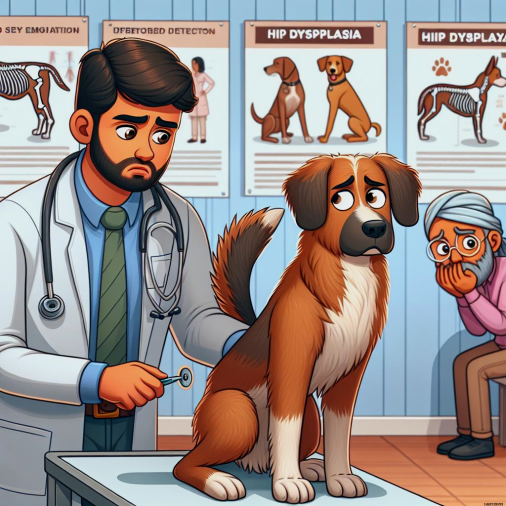
Hip dysplasia is a condition in which the joint between the femur and the pelvis forms abnormally, causing problems with joint stability and function. It occurs mostly in dogs, but it can also rarely appear in humans. This condition can be a cause of chronic pain, especially in older adults, so early detection and proper management are important.
The main cause of hip dysplasia is congenital factors. However, acquired factors such as obesity, trauma, and poor posture can also increase the risk of developing it. If it is not diagnosed correctly during infancy or adolescence, it can progress into severe pain and arthritis in adulthood.
The symptoms of hip dysplasia may be mild at first and are often easy to overlook. Pain in the thigh or pelvic area, discomfort when walking or exercising, and limited movement may be observed. If these symptoms appear, it is important to receive an accurate diagnosis at a hospital through X-ray or MRI. The goal of early diagnosis is to minimize joint damage and improve quality of life.
Management of hip dysplasia is important. Strengthening the muscles around the joint through certain exercises can help relieve symptoms. Maintaining an appropriate body weight is also essential. Because obesity can place stress on the joints and worsen symptoms, a balanced diet and regular exercise are necessary. A physical therapist can suggest an exercise program tailored to the individual, which can help reduce pain and expand the range of motion of the joint.
If symptoms are severe enough to require surgical treatment, surgery such as total hip replacement may be considered. Surgery aims to relieve pain and improve quality of life, and consistent rehabilitation exercises are needed during the recovery period. Thanks to modern medical technology, surgical outcomes are relatively good, and many patients are able to remain active after surgery.
Finally, it is important to detect and manage hip dysplasia early. Along with regular health checkups, it is necessary to seek professional medical advice when abnormal symptoms occur. To improve quality of life and avoid unnecessary pain, maintaining healthy joints at all ages is important. Therefore, it is necessary to consistently care for the joints and maintain healthy lifestyle habits in daily life to minimize the risk of hip dysplasia.