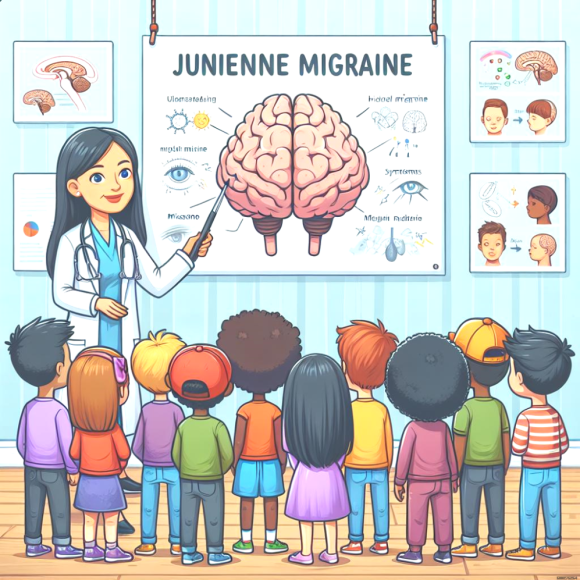
Pediatric migraine is a problem that many parents may easily overlook. Migraine, which is generally known to occur more often in adults, can in fact also happen frequently in children. Pediatric migraine may differ slightly from adult migraine in terms of symptoms and patterns, so a proper understanding is needed. In this article, we will look at the main symptoms and causes of pediatric migraine, as well as effective management methods.
The symptoms of pediatric migraine are similar to those in adults, but the pattern or location of the headache may differ. Children often feel the pain across the whole head or concentrated on just one side. It may also be accompanied by nausea or vomiting, and they may become sensitive to light or sound. Because children often have difficulty clearly expressing their symptoms, parents should observe their condition closely.
There can be several causes of pediatric migraine. The most common cause is genetic factors, and it tends to occur more often in families with a history of migraine. In addition, stress, irregular sleep, and eating habits can trigger migraines. Caffeine intake can also be a cause of pediatric migraine, so caution is needed.
The most important part of managing pediatric migraine is improving lifestyle habits. It is necessary to maintain regular sleep and eating habits and reduce stress. A consistent bedtime should be set so that children can get enough sleep, and it is advisable to guide them to avoid stimulating activities in the evening. Also, if a child has frequent headaches, it is necessary to reduce the caffeine included in drinks.
If the migraine persists or has a major effect on daily life, a medical evaluation should be obtained. A doctor can create an appropriate treatment plan by comprehensively assessing the child's symptoms and lifestyle patterns. In some cases, medication may be needed to relieve headaches. However, in general, medication for children should be considered carefully, and it is important to follow a specialist's instructions.
Pediatric migraine is not life-threatening in itself, but if it is not managed properly, it can cause significant discomfort in a child's daily life. Therefore, parents should respond sensitively to their child's headache symptoms and actively work to improve lifestyle habits. For healthy growth in children, parents' careful attention and love are needed.