Gangnam Hiko: Worried About a Low Nasal Bridge?
Gangnam Hiko
Hello, I’m Park Young-mi, the chief director of Yonsei U&I Clinic in Seolleung^^
"Because of my low nasal bridge,
it has always been a complex for me,
but surgery feels like too much...
Is there a way to naturally
raise the nose without surgery?"
If you have this kind of concern, you may have clicked on this post.
Looking in the mirror lowers your confidence, and you hesitate to take photos.. but surgery feels like a burden.
As the chief director, I understand that feeling very well, so today I’d like to explain in detail one of the non-surgical nose procedures,
"Hiko."
I’ll organize everything overall: how to effectively raise the nasal bridge, the principle by which Hiko improves the nose, and who it is suitable for.
If you have similar concerns, please focus for just 3 minutes and read on. ^^
Gangnam Hiko
What Is the Hiko Procedure?
Hiko is a procedure that corrects the shape of the nose mainly by using PDO, a medical thread.
It is a method of inserting dissolvable threads into the inside of the nose with a long needle to supplement the necessary areas.
Without a large skin incision, it can improve the height and shape of the nose through a relatively simple minimally invasive method.
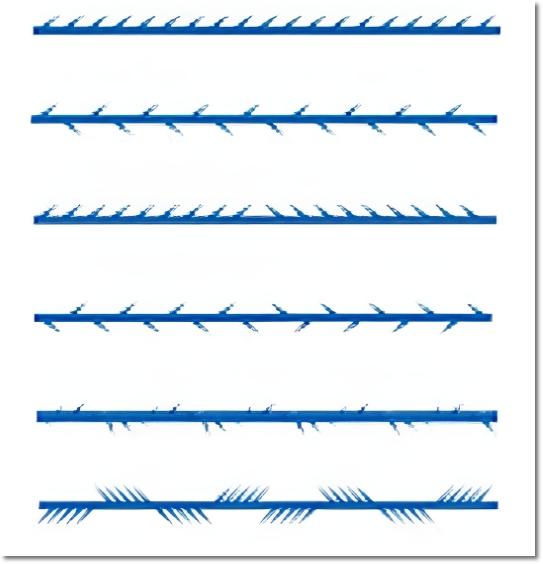
PDO thread
The key to Hiko is especially the role of the PDO thread.
PDO (polydioxanone) is a special material absorbed by the human body, and it was originally developed as a surgical suture.
Thanks to this, in Hiko procedures as well, it has the advantage of gradually breaking down in the body with a low risk of inflammation or side effects.
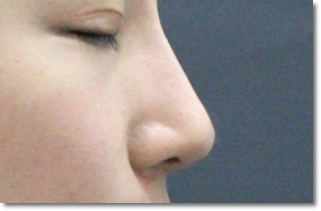
In addition, as the PDO thread dissolves over time, it stimulates collagen production, helping improve the elasticity and volume of the nasal tissue.
Usually, you can expect the improved nasal line to last for 6 months to 1 year or more.
What’s the Difference from Nose Filler?
Gangnam Hiko
In fact, Hiko and nose filler may seem similar in that both are non-surgical nose enhancement procedures.
The crucial difference is that while the Hiko procedure can also use PDO thread alone, it is different in that it is used together with filler.
In other words, nose filler procedures use only filler as the main ingredient, whereas Hiko can inject both PDO and filler at the same time.

So the PDO thread helps improve the shape of the nose when filler alone feels insufficient.
Of course, the procedure is somewhat more complicated than nose filler and the cost is higher, but it helps with delicate design that considers the overall harmony of the nasal line.
Gangnam Hiko
Recommended for These People
Then who is Hiko suitable for?
In my experience, Hiko has been frequently chosen by people with the following nose concerns:
People with a low nasal bridge that makes the face look flat
People with a hump nose with pronounced curvature on the bridge
Rounded, peanut-like nasal tip
Upturned nose, bulbous nose, or a crooked nose
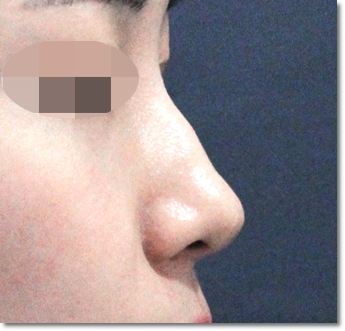
It is actually difficult to know from the text alone whether it is truly right for you.
So I would recommend getting a thorough diagnosis and design consultation from an experienced medical professional.
Gangnam Hiko
What Matters Most?
No matter how good the procedure is, it is difficult to expect good results without a doctor’s delicate touch.
The nose is a sensitive area where even a tiny difference can completely change the impression, so the practitioner’s know-how and skill are above all important.

If the structure is not properly corrected, the nose may bend to one side or the filler may wrinkle and create unevenness,
and calculating the angle and proportion of the nasal tip, as well as the height and width of the nasal bridge, to balance the face is also a sense that comes from abundant clinical experience.
Above all, it is also necessary to have the sense to suggest the nose design that best suits the patient’s facial type, and a delicate eye for overall facial harmony, including the nostrils, lips, and chin.
Taking these points into consideration, you need to judge whether the medical staff are truly skilled.
I have shared related information for those looking into the Gangnam Hiko procedure.
I hope this was even a little helpful for those who are stressed about the nasal bridge that forms the center of the face, and I’ll end the post here.
Thank you for reading this long post. This was Park Young-mi, chief director. ^^
<Related post worth reading together>
- Directions to Yonsei U&I Clinic in Seolleung -