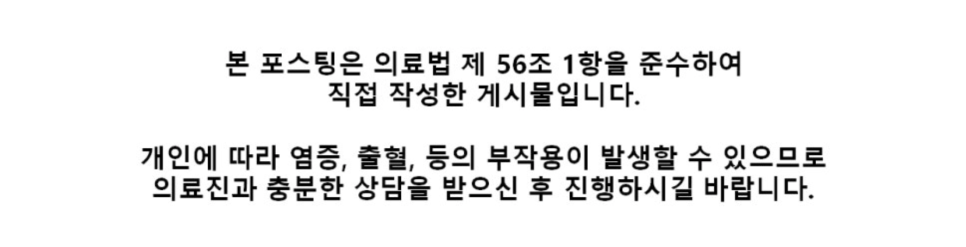
Sometimes our skin develops small bumps that look like millet seeds,
which is a skin condition called "milia."
It usually appears as yellow or white bumps around the eyes and on the cheeks.
Facial milia can develop on its own, or it can appear secondarily in areas where the skin has been injured.
It does not cause major problems for the skin, but it does not go away naturally,
and because it appears on the face, it can cause stress about appearance.
So, why does milia occur, and how should it be treated?
Naturally Occurring
Facial Milia
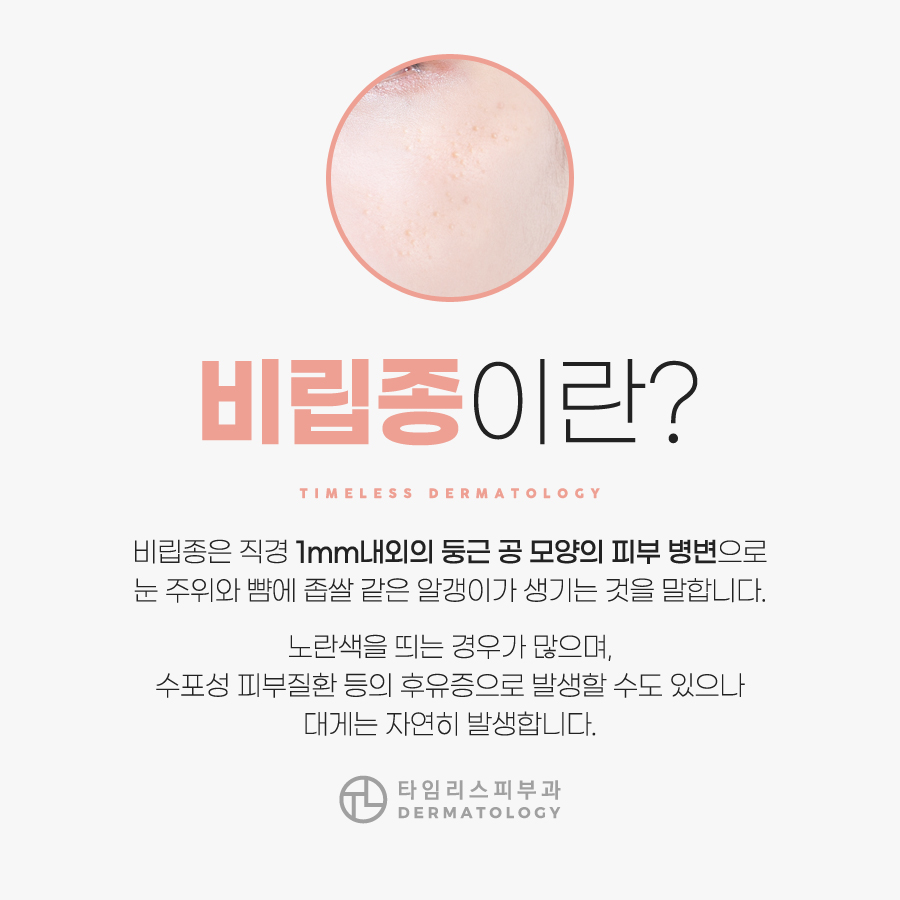
Facial milia is a round skin lesion of about
1 mm in size.
It is also a small sac-like cyst filled with keratin.
It appears singly or in multiples on the skin surface.
From the outside, it can look similar to warts or molluscum, so some people may find it confusing.
It is similar to syringoma, so it is easy to confuse them!
Syringoma, which mainly appears around the eyes, is often confused with milia because it looks similar.
The exact cause of syringoma has not been identified.
In most cases, syringoma gradually grows and spreads without any symptoms,
and a notable feature is that it may look more prominent when you are tired.
Above all, if you are unsure whether it is facial milia or something else, it is best to visit a dermatologist
and receive an accurate diagnosis.
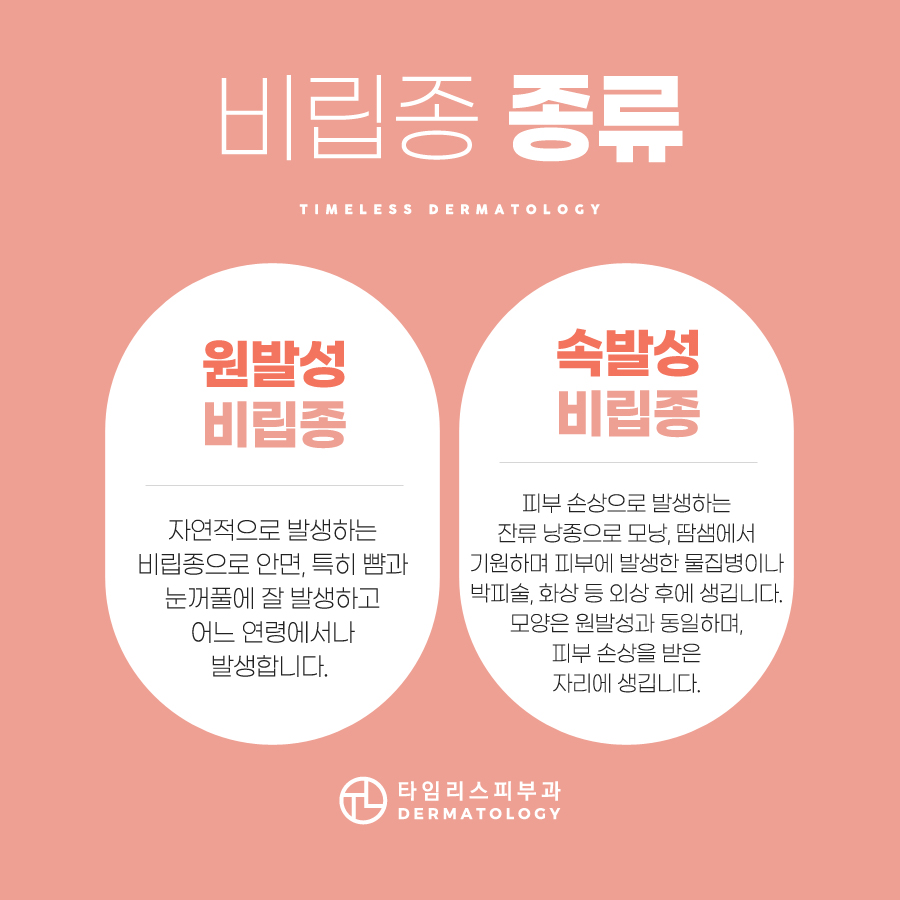
Facial milia can be divided into two types.
Primary milia and secondary milia.
Primary milia occurs naturally,
and can appear on the cheeks or eyelids at any age.
On the other hand, secondary milia is
a residual cyst caused by skin damage and originates from hair follicles or sweat glands.
It is milia that develops after trauma such as blistering diseases, dermabrasion, or burns.
It has the same appearance as primary milia, but its defining feature is that it appears in areas where the skin has been damaged.
Many people are curious about
facial milia

First of all, some people wonder whether they can just leave facial milia alone if it appears.
Milia is a keratin cyst, so the exact cause itself is not clearly known.
However, because it contains yellow or white keratin in a shallow layer of the skin,
if it is not treated early, it has a tendency to spread, so rather than leaving it alone,
it is better to receive a skin diagnosis from a dermatologist and then get treatment.

Also, because it appears on the skin as small bumpy millet-like spots,
some people try to pop it at home. However, this method not only fails
to remove it easily, but can also cause various side effects such as skin infection or scarring.
For facial milia, visiting a dermatologist and having it removed in the proper way
is the best option.
Today, I explained milia, and if you leave it alone, it may actually
gradually spread, so I hope you can improve it through the proper treatment method.