�
Our skin can develop various concerns, such as acne, melasma, and pigmentation.
In particular, pigment disorders come in many different types and can be difficult to improve,
so many people wonder how they should manage them.
�
So today, at Ahyeon Station Dermatology, we will talk about the causes and ways to distinguish
refractory pigment disorders among pigment disorders, and we will also explain how they can be improved
by introducing some treatment methods as well.
�
What Are Refractory Pigment Disorders?
�
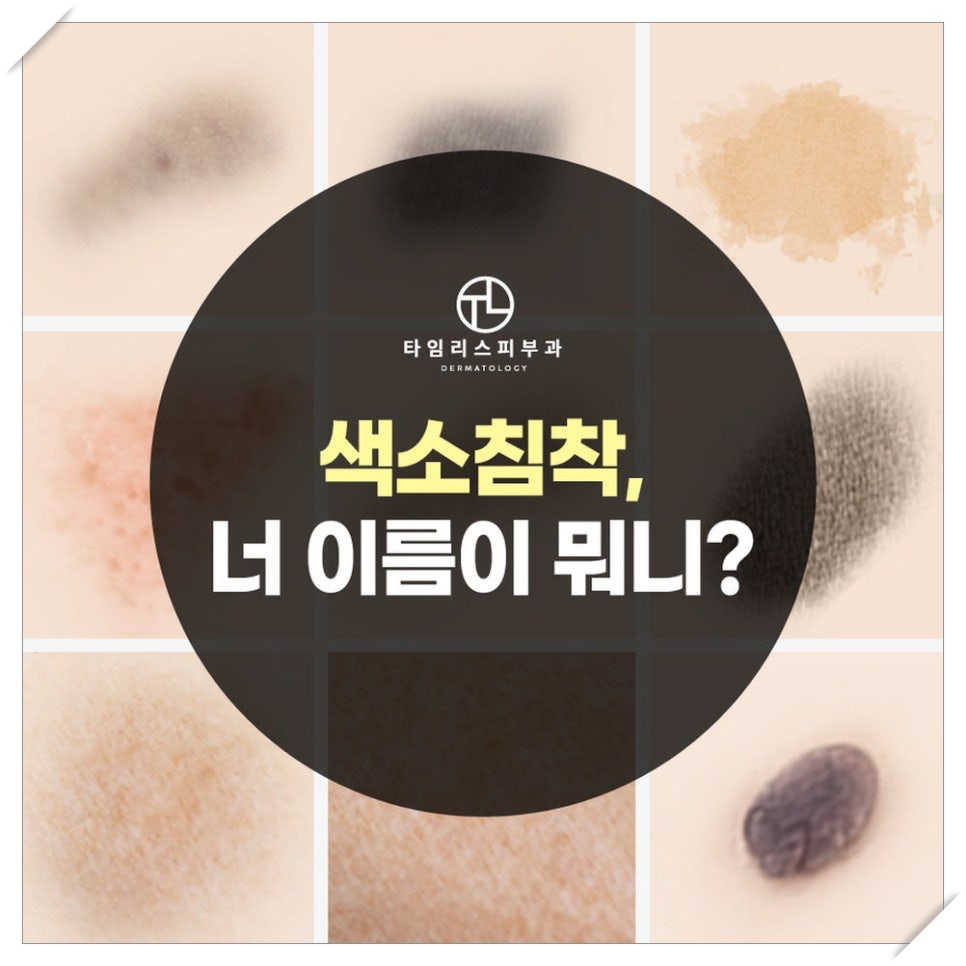
In the case of refractory pigment disorders rather than general pigment disorders,
it is better to improve them through treatment suited to the cause, since they can arise from various causes.
�
In most cases, they occur due to problems with the function of skin melanocytes, genetics, inflammatory reactions, or environmental factors,
and because they often look similar, many people confuse them with general pigment disorders.
�
�
It’s Not Melasma, It’s Ota Nevus!
�
In particular, some people come in thinking Ota nevus is melasma.
However, when actually diagnosed, it is often Ota nevus.
�
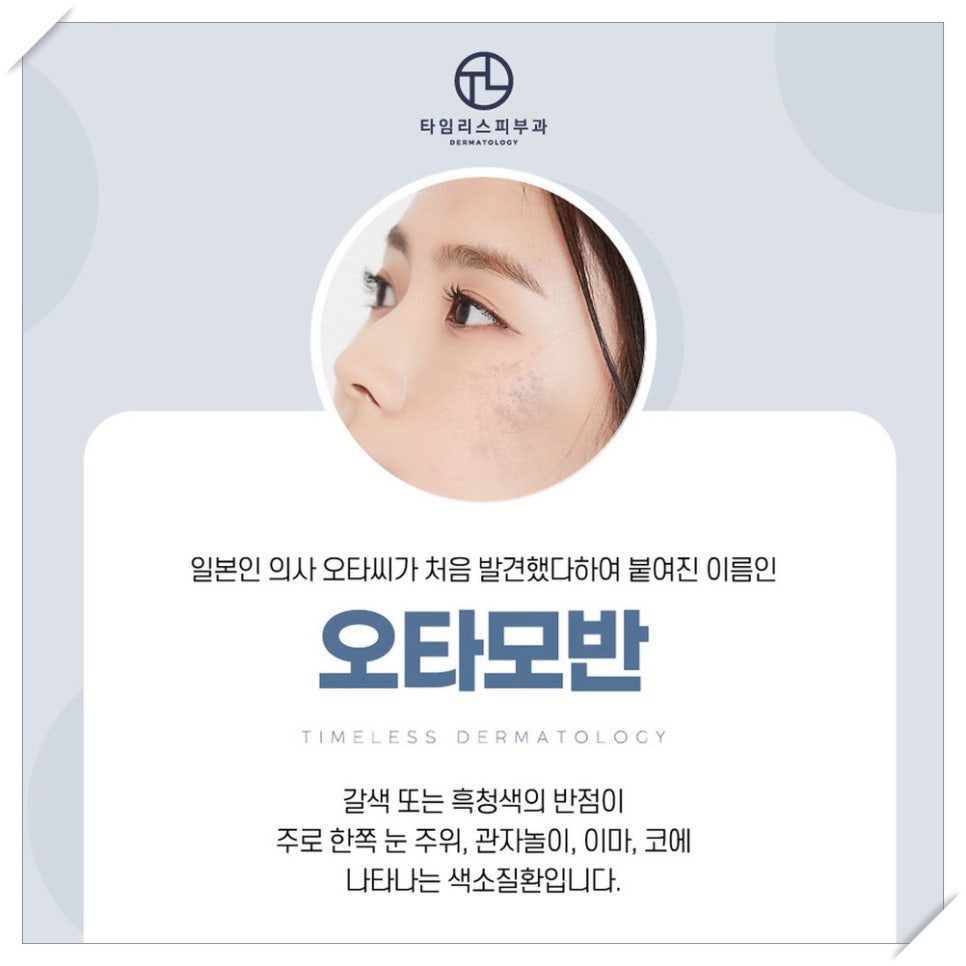
Ota nevus is a pigment disorder named after the Japanese doctor who first discovered it,
and it appears as brown or dark blue-gray patches, mainly around one eye, the temples, the forehead, or the nose.
�
Because Ota nevus is so noticeable, many people seek improvement for cosmetic reasons,
and it can be improved through laser treatment.
�
Becker's Nevus, Which May Be Accompanied by Excess Hair Growth

�
Becker's nevus is a light brown or dark brown patch
that appears on the shoulders, chest, or upper back.
�
In particular, because it may be accompanied by excess hair growth, it can also cause significant cosmetic concern.
In the case of Becker's nevus, treatment is challenging,
so it is best to improve it carefully through treatment by a board-certified dermatologist.
�
Café-au-lait Spots That Can Appear in Various Sizes
�
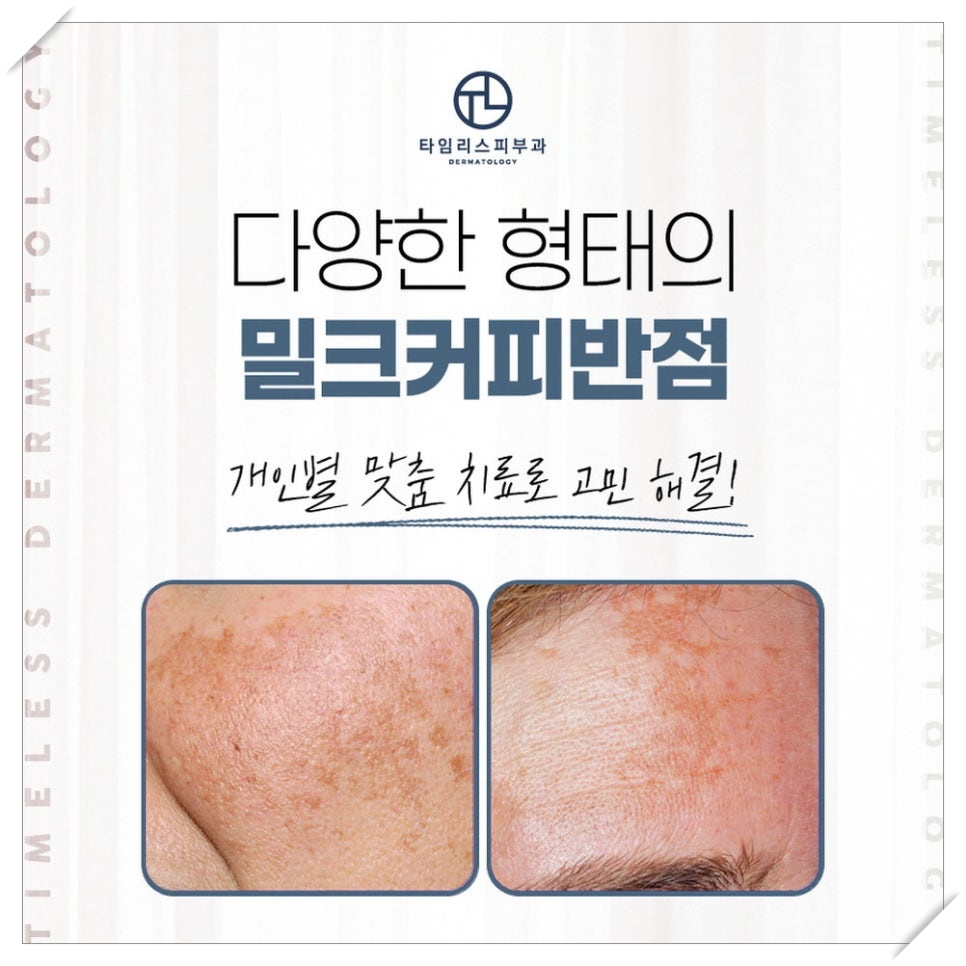
The third type, café-au-lait spots, are light brown and appear in various shapes and sizes.
They are named because they resemble the color of café au lait.
�
In particular, they are found in about 10–20% of healthy young adults,
so they are quite common. Since they are often mistaken for melasma on the skin,
it is better to receive an expert diagnosis in such cases and improve them with an appropriate treatment method.
�

�
Then how should refractory pigment disorders be treated?
First, since pigment disorders are difficult to distinguish and have many different causes, it is better to improve them through the appropriate treatment method or laser for each case.
�
Through a diagnosis by a board-certified dermatologist, you can identify the pigment disorder on your skin
and improve it with the treatment method suited to it. If left untreated,
rather than disappearing naturally, it tends to spread and grow larger over time.
�
Today, we explained refractory pigment disorders that commonly appear on our skin.
Because they can be easily confused,
if you have these concerns, please visit a dermatology clinic
and improve them through an accurate diagnosis and a customized solution.
�







�