If your skin overall looks dull or you are troubled by a pigment disorder that does not go away,
rather than leaving it untreated, it is better to seek improvement through a dermatology consultation.
In particular, with pigment disorders, the longer time passes, the more they can spread and grow,
so concerns about the skin can only become more serious.
In the case of Mapo laser toning, which helps with pigment disorders, fine laser energy
is delivered deep into the skin to break down pigment.
Today, we will look at how laser toning affects pigment disorders.
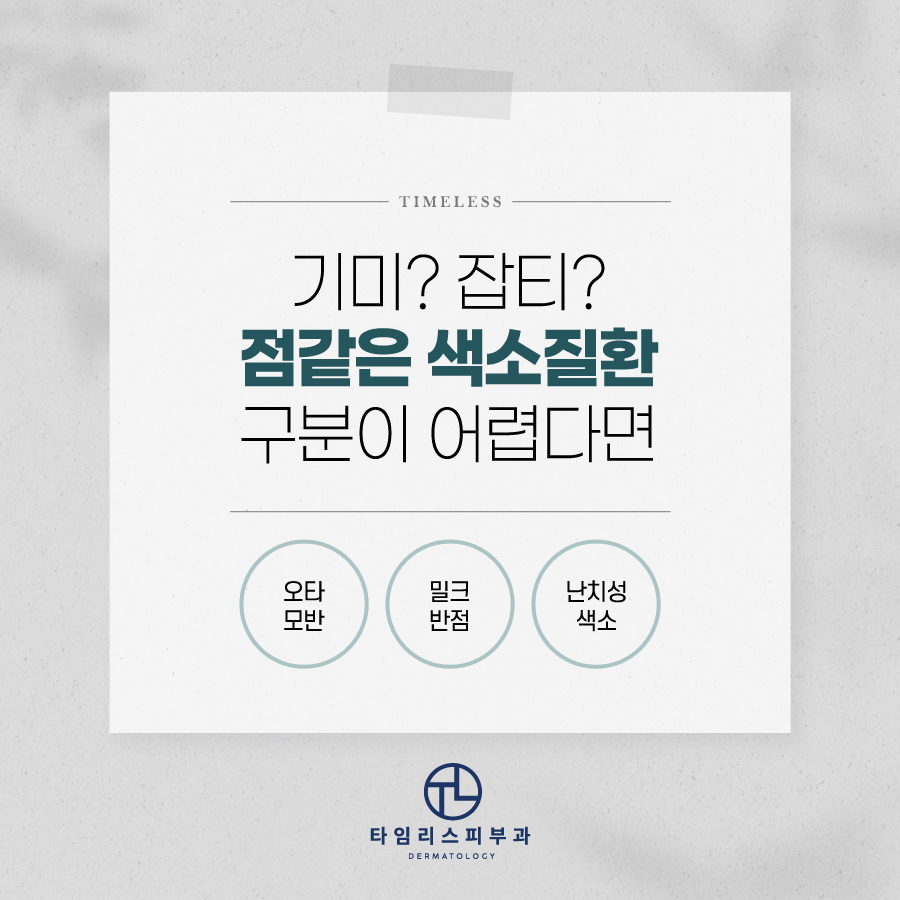
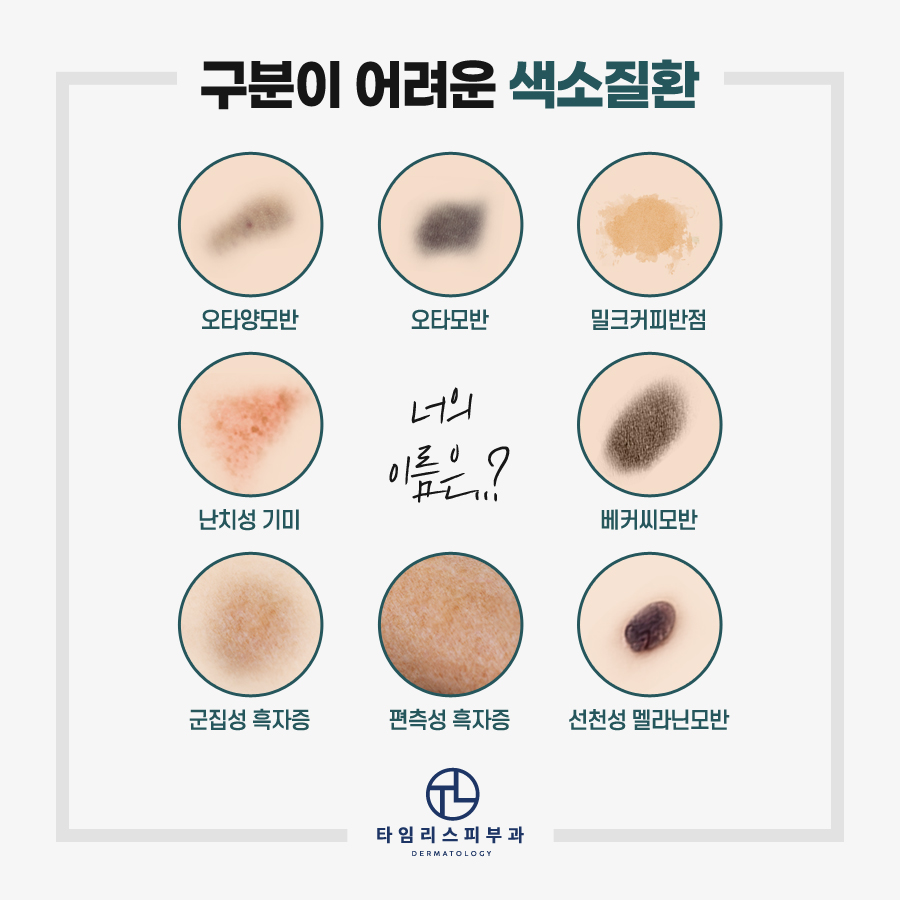
First of all, pigment disorders are not easy to distinguish, so
some people proceed with simple melasma care without knowing exactly what condition their skin has.
However, pigment disorders are not limited to simple melasma; there are many different types,
and treatment methods also differ by type, so it is best to proceed after confirming the exact symptoms.
For that reason, before undergoing Mapo laser toning, it is better to consult a dermatologist
and accurately check the symptoms of your skin before proceeding.
In the case of Mapo laser toning, energy is delivered deep into the skin to
break down skin pigment and, in the process, effectively reduce melanin pigment.
Through that process, you can expect an effect of a more even and brighter overall skin tone.
In addition, because the laser energy stimulates collagen production within the skin, it also
helps greatly with improving overall skin texture.
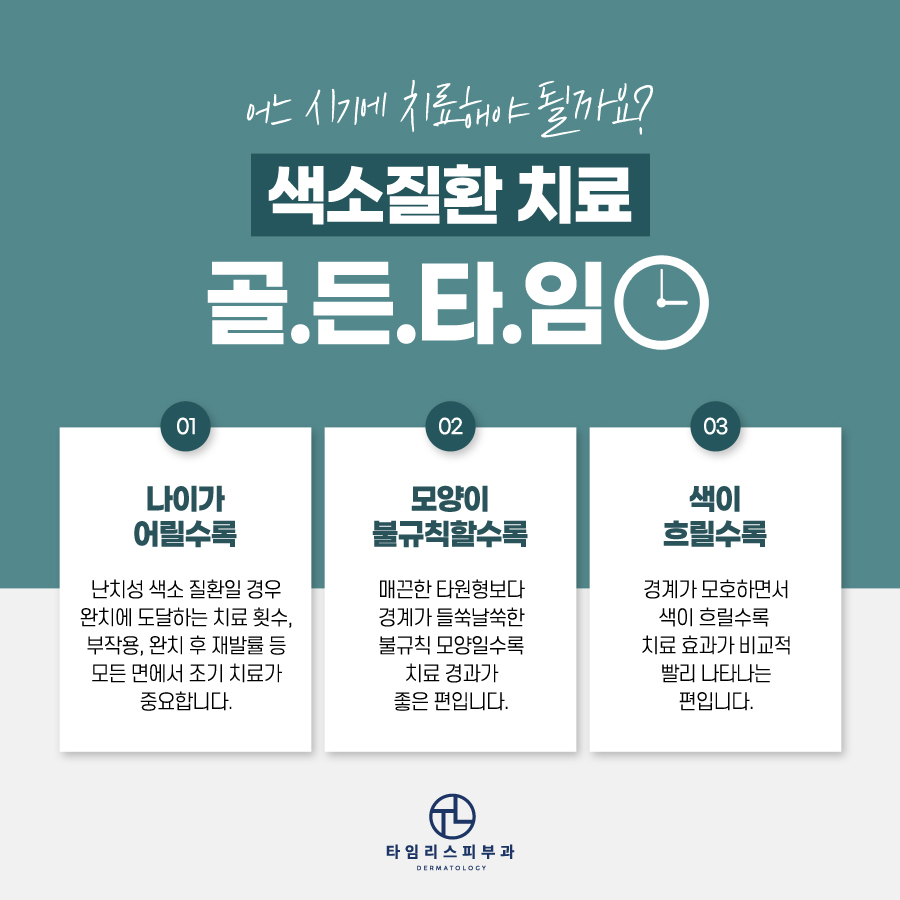
In the case of Mapo laser toning, it does not bring an immediate change; rather, it improves over time
through repeated procedures.
When the laser is applied to the skin, melanin pigment is finely broken up, and then
it is eliminated through the body's immune system.
In particular, stubborn pigment conditions may require multiple sessions.
After laser toning, there are cases where the pigment may temporarily look darker.
This is called 'reactive pigmentation,' and more consistent care is needed.

Because everyone's skin condition is different, the treatment interval and number of sessions also differ.
In general, if pigmentation is not severe, about 5 to 10 sessions is appropriate,
and if the pigment is deep and long-standing, more than 10 sessions may be necessary.
The treatment interval is usually every 1 to 2 weeks, and to help skin regeneration and
reduce skin damage, it is better to avoid sessions at intervals that are too short.
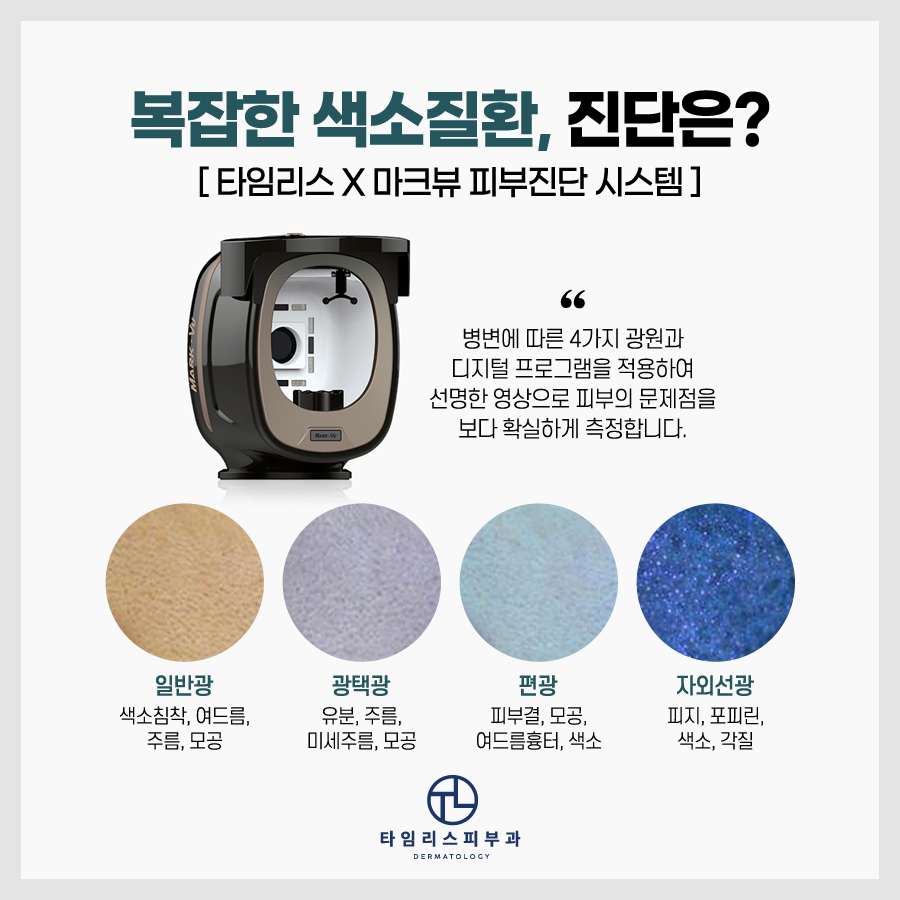
At this clinic, which provides Mapo laser toning,
the condition of the skin is accurately diagnosed through the Mark-Vu diagnostic system,
and the skin is helped toward healthy improvement through laser toning solutions suited to that condition.
Today, we looked at laser toning for pigment disorders.
Since we also explained how it works on pigment disorders, as well as the treatment interval and number of sessions,
if you are struggling with pigment disorders that do not easily disappear,
please consider finding the treatment that best fits your skin through a dermatologist consultation.