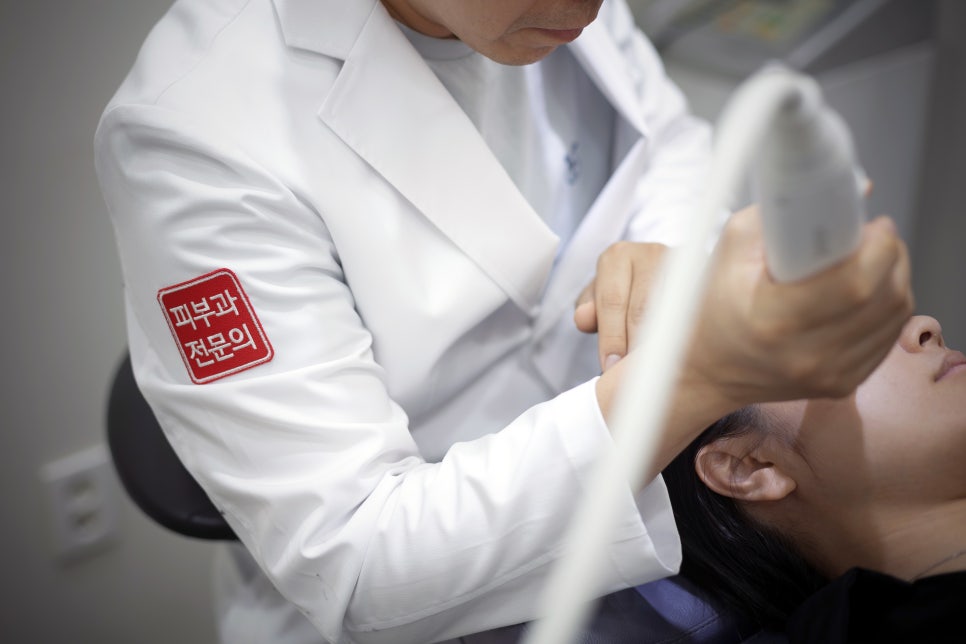
Skin elasticity naturally begins to decline from the mid-20s,
and collagen in particular decreases by about 1% every year.
At some point, the facial line becomes less defined,
and thin areas such as around the eyes and mouth start to develop wrinkles more easily.
At this time, you need a lifting device that directly stimulates the elasticity structure deep within the skin
to encourage collagen to rebuild.
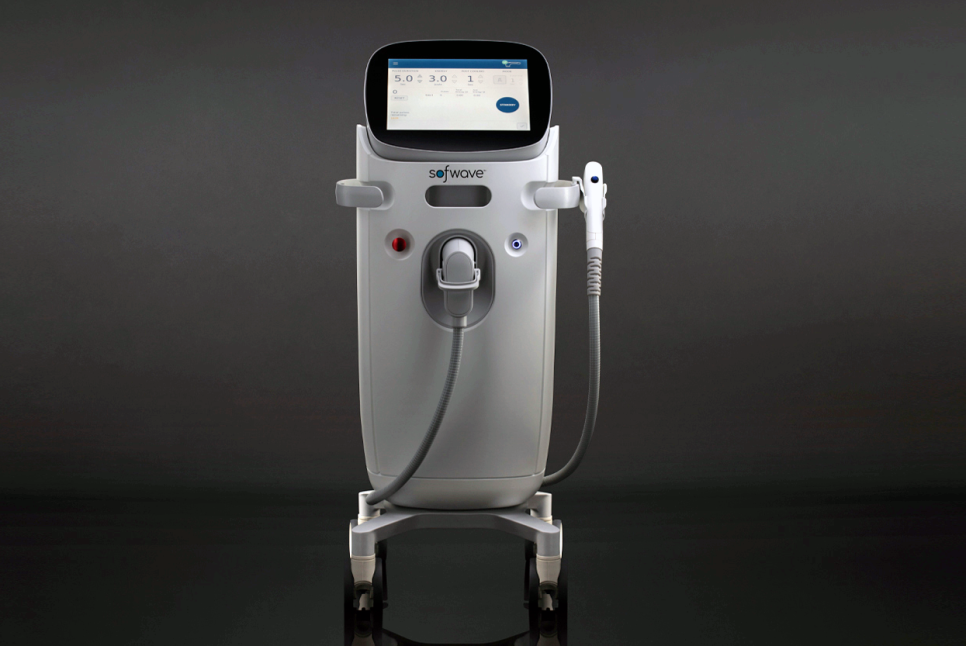
Among these, the device that has been widely sought after recently is Sofwave.
Why Sofwave?
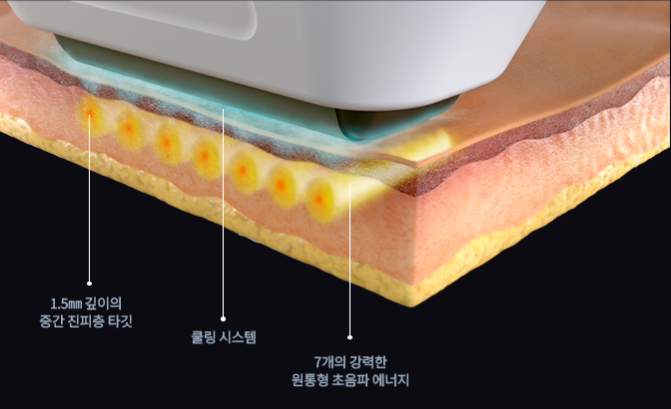
Sofwave uses SUPERB (Synchronous Ultrasound Parallel Beam) technology
to precisely target the 1.5 mm depth, the upper dermis, which is a key point for skin elasticity.
This depth is
-
the layer where collagen and elastin, which are essential for skin elasticity, are produced, and
-
a sensitive layer where excessive thermal stimulation can cause cheek dents,
so the results can vary greatly depending on the device selected.
Sofwave evenly stimulates this layer with controlled ultrasound energy,
and its biggest feature is that it is a lifting treatment that can improve elasticity without losing volume.
FDA & CE-approved lifting device
Sofwave is
and has obtained both approvals,
making it a lifting device with recognized credibility for skin elasticity and wrinkle improvement effects, as well as safety.

Why is Sofwave
'a lifting treatment without worrying about cheek dents'?
When choosing a lifting device, the most common concern is:
“What if I don’t have much facial volume and end up looking even more hollow?”
“I’m scared lifting will cause cheek dents..."
Sofwave is especially recommended for people with these concerns for the following reasons.
● Minimal stimulation of the deeper tissue layers
While general lifting devices may stimulate the SMAS layer or fat layer,
Sofwave targets only the upper dermis, so it places almost no burden on the volume layer.
● Suitable even for thin skin and faces with little cheek volume
Even for skin that is thin or face types with less cheek fat,
it improves elasticity without causing hollowness, making it suitable for those who want a natural lift.
● Improves wrinkles and elasticity without cheek dents
Because it does not affect deeper layers,
even sensitive areas such as the nasolabial folds, eye area, and mouth area can be treated safely.

Changes begin to appear immediately after the procedure
With Sofwave, you may feel the skin becoming firmer right after the procedure,
and as collagen regeneration begins in earnest over 1 to 3 months,
the most noticeable effects appear.
The duration of the effect varies from person to person,
but it is usually maintained for 6 months or longer, and may last even longer depending on your care routine.
Almost no downtime
One reason Sofwave is chosen is its quick return to daily life.
-
Little to no damage to deeper tissue layers
-
The cooling system protects the skin surface
-
Usually only temporary redness and warmth remain right after the procedure
For this reason, it is considered a lifting device that allows you to go out, work, and keep appointments right away.
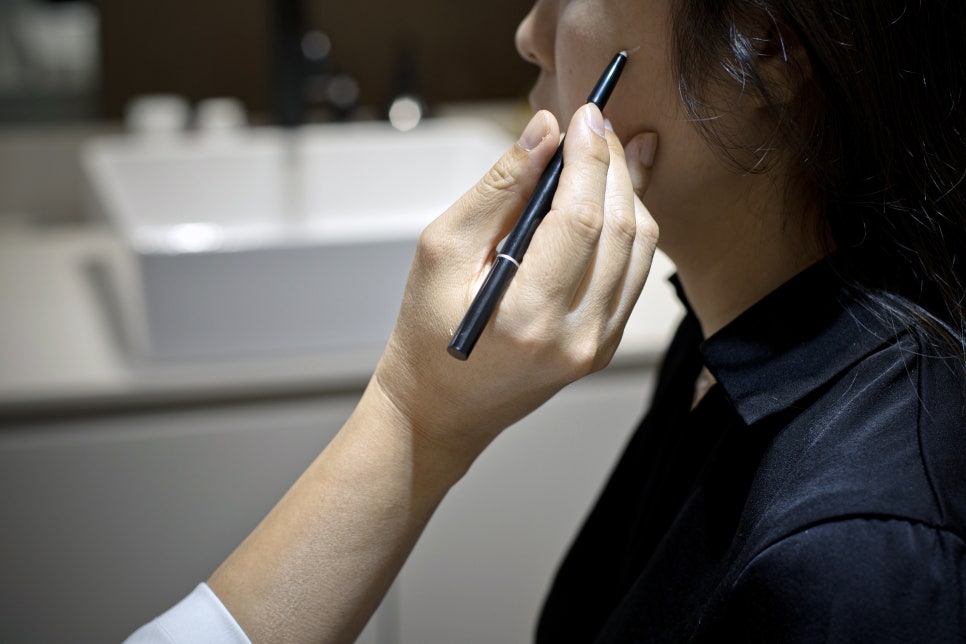
Recommended Sofwave in Hongdae for these people
-
People who want lifting but are worried about cheek dents
-
People with little facial volume and thin skin who feel burdened by overly strong lifting
-
Early-stage lifting for reduced elasticity and fine wrinkles
-
People who want a natural lift and prefer a short recovery period
-
People who want long-term elasticity based on collagen regeneration

How is the treatment cycle structured?
Sofwave is usually
-
maintained for 3 to 6 months after one treatment
-
after that, regular lifting treatments every 6 to 12 months are recommended.
If elasticity has dropped significantly in the early stage,
2 treatments may be performed at 1- to 2-month intervals depending on the doctor’s judgment.
When Sofwave is needed
If you are considering lifting in Hongdae,
Sofwave is a safe lifting option that can improve elasticity and wrinkles without worrying about cheek dents.
In particular, it is a great fit for
-
people in their late 20s to early 30s, when collagen loss begins,
-
people in their 30s to 40s, when sagging starts to appear,
-
and people who want natural elasticity rather than an overly tightened look.










 Previous image
Next image
Previous image
Next image










Previous image
Next image