When considering skin regeneration procedures,
there is one comparison that is often mentioned.
That is Rejuran and Rejuto.
Both procedures aim to improve the skin,
but their mechanisms and the main expected effects are different.
The first thing explained in consultations at Ahyeon Dermatology is
not “both are good,” but
“where does the main skin concern lie?”
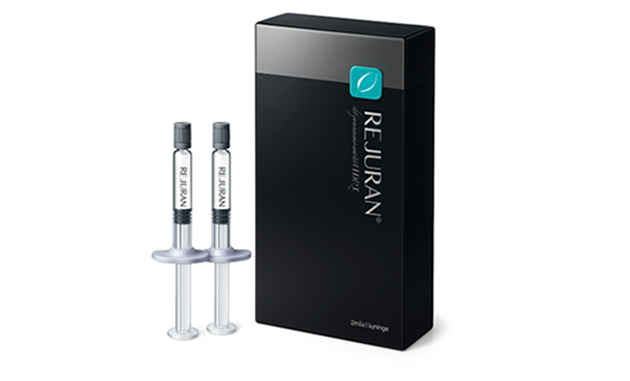 Rejuran – an approach that restores the skin environment
Rejuran is
Rejuran – an approach that restores the skin environment
Rejuran is
a regenerative treatment based on PN (polynucleotide)
that helps restore a damaged skin environment.
The key is to make the skin foundation healthy again.
Rather than an immediate sense of volume,
it is closer to stabilizing the skin condition.
In consultations at Ahyeon Dermatology,
if redness keeps recurring or sensitivity lasts a long time,
Rejuran is often considered first.
This is because redness-prone skin is often not just a matter of being red,
but also involves a weakened barrier and persistent micro-inflammation.
Rejuran works in a way that can help improve redness
by increasing skin resilience and reducing reactivity.
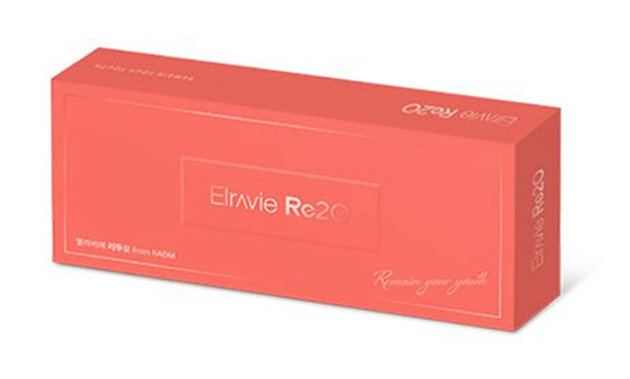 Rejuto – an approach that strengthens moisture density and elasticity
Rejuto is
Rejuto – an approach that strengthens moisture density and elasticity
Rejuto is
a hyaluronic acid-based skin booster,
with a focus on improving the skin’s moisture retention and density.
If Rejuran is centered on regeneration,
Rejuto is closer to an approach that builds up density and elasticity.
One reason pores may look enlarged is
not only sebum production,
but also reduced skin elasticity and decreased dermal density.
At Ahyeon Dermatology,
if the main concern is elasticity-related enlarged pores or rough skin texture,
Rejuto is often chosen.
When moisture and density are reinforced,
the skin can appear more refined,
and pores may look less prominent.
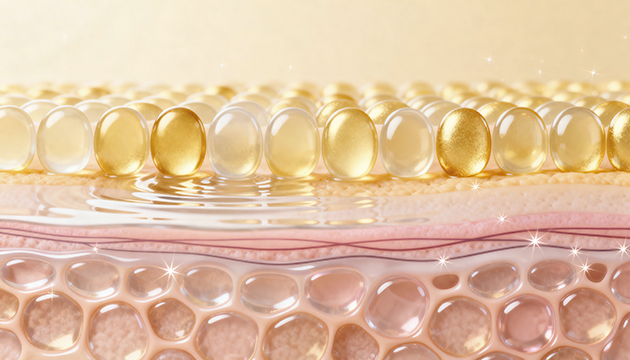 Regeneration and density start from different points
Both procedures act on the dermis,
Regeneration and density start from different points
Both procedures act on the dermis,
but they start from different points.
Rejuran is
a direction that restores a damaged skin environment
Rejuto is
a direction that reinforces the current skin to make it firmer.
For example,
-
Skin that has become sensitive after repeated treatments
-
Redness that lasts a long time after laser treatment
-
Skin that feels like the barrier has weakened
In these cases, a regeneration-focused approach may come first.
In contrast,
-
When pores look stretched out
-
When skin texture is rough and makeup sits unevenly
-
When lack of moisture has reduced elasticity
In these cases, density reinforcement may feel more noticeable.
At Ahyeon Dermatology,
the focus is not simply on “which procedure is better,” but on
identifying the core of the skin concern.
Can they be done together?
If you have both redness and pore concerns,
many people also ask about combining the two procedures.
In theory, they can be done together,
but it is important to adjust the order depending on the skin condition.
If density reinforcement is done first while the skin is sensitive,
the irritation response may become stronger.
On the other hand, after the skin becomes stable,
adding Rejuto
can make improvements in pores and skin texture feel more noticeable.
At Ahyeon Dermatology,
steps are designed by considering the skin’s reactivity and recovery speed.
 Ahyeon Dermatology: skin condition comes before the procedure name
Rejuran and Rejuto are
Ahyeon Dermatology: skin condition comes before the procedure name
Rejuran and Rejuto are
both procedures that can help improve the skin.
However,
-
If redness and sensitivity are the main concerns, Rejuran
-
If pores, elasticity, and skin texture are the main concerns, Rejuto
The direction of use may differ like this.
At Ahyeon Dermatology,
rather than the popularity of the procedure,
the current skin condition and goals are checked first.
After comprehensively assessing skin thickness, sensitivity, moisture retention, and elasticity,
a decision is made about whether a regeneration-focused approach is needed
or whether density reinforcement is needed.
In the end, the difference between procedures is not about the ingredients,
but about which problem they are designed to solve.
Rejuran and Rejuto,
rather than asking which one is better,
the standard becomes what your skin needs more right now.









 Previous image
Next image
Previous image
Next image









 Previous image
Next image
Previous image
Next image









 Previous image
Next image
Previous image
Next image