
When you feel that your skin’s elasticity is not what it used to be
many people first think about lifting procedures.
When looking in the mirror, if your facial contours seem less defined than before,
or if the area around your jawline starts to feel a little saggy,
many people consider a lifting consultation.
In particular, during consultations,
the following question comes up often.
“Which lifting procedure is right for my skin?”
When you look into lifting procedures,
you learn that there are various methods such as
Ulthera, Thermage, Titanium, and Onda.
However, because each procedure
differs in the skin layer it targets and its approach,
rather than simply comparing which device is better,
the important part is finding an approach that matches your current skin condition.
That is why, in Mapo lifting consultations as well,
rather than choosing a procedure name first,
the process of checking skin elasticity and structural changes in the skin is considered important.
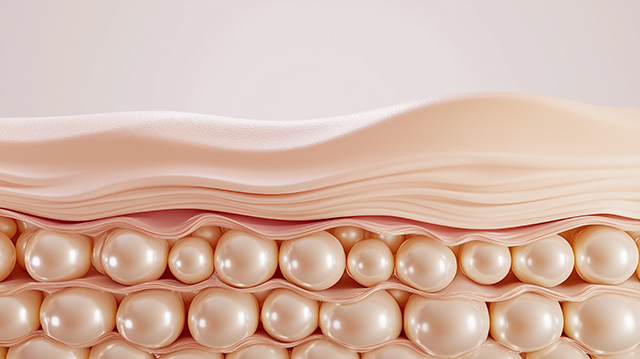
Why does skin elasticity decline?
Changes in skin elasticity
are rarely caused by just one factor.
In most cases, the following changes
occur together.
✔ Decreased collagen in the dermis
✔ Reduced skin elasticity
✔ Sagging of the fascia layer
In particular, when the collagen structure in the dermis weakens,
the support that holds up the skin decreases,
which can make the skin texture feel looser and less elastic.
Also, as time passes,
if elasticity in the deeper layers of the skin decreases,
the facial contours may look less defined than before,
or sagging may appear around the jawline.
That is why the same lifting procedure can produce different results depending on skin condition.
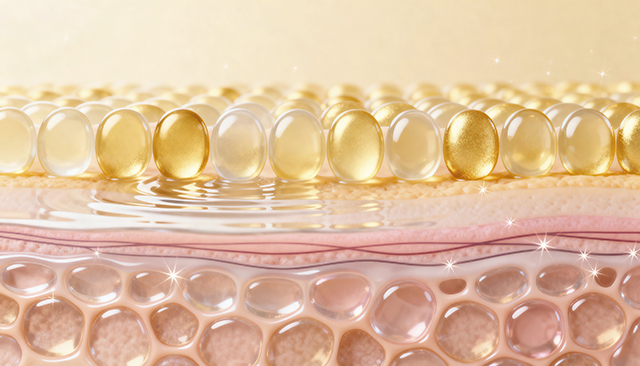
Each lifting device targets a different layer
Looking at representative lifting devices,
each one targets a different skin layer and serves a different purpose.
For example, Ulthera lifting
uses ultrasound energy
to create thermal coagulation points in the deep skin layer, the SMAS layer,
with the goal of improving sagging skin.
On the other hand, Thermage lifting
uses radiofrequency energy to induce collagen regeneration in the dermis,
approaching skin elasticity improvement.
In addition, Titanium lifting
uses high-output laser energy
to deliver thermal stimulation to the skin surface and dermis,
considering both immediate tightening and improved skin elasticity at the same time.
Recently, methods such as Onda lifting
use microwave energy
to approach the deeper fat layer and tissue,
and are also considered for contour improvement.
Because lifting procedures like these
target different skin layers and have different purposes,
choosing the one that matches your skin condition is important.
The lifting approach changes depending on skin condition
When lifting consultations are conducted,
even people with the same concern
often have different skin conditions.
For example,
✔ When sagging is the main issue
→ Consider an approach targeting the SMAS layer
✔ When skin elasticity has decreased
→ An approach to improve dermal elasticity
✔ When changes in facial contours are also present
→ An approach that considers both the fat layer and elasticity
In this way, depending on skin condition,
the lifting approach can vary.
That is why, in Mapo lifting consultations,
among various methods such as Ulthera, Thermage, Titanium, and Onda,
the process of considering an approach that matches the skin condition is important.
Rather than deciding based on a single procedure alone,
considering both structural changes in the skin and elasticity
can be a path toward a more natural-looking improvement.
Important criteria in lifting procedures
When considering a lifting procedure,
the most important criterion is not which device to choose,
but the process of checking what structural changes the current skin condition is starting from.
Checking skin thickness, elasticity,
and the skin layer where sagging appears,
then choosing an appropriate method,
is also why this process is important in lifting procedures.
In Mapo lifting consultations as well,
after first checking skin condition and changes in elasticity,
we guide patients toward an approach that suits their individual skin characteristics
n
among various lifting methods such as Ulthera, Thermage, Titanium, and Onda.











Previous image
Next image










Previous image
Next image










Previous image
Next image