At some point, you may notice that the facial line in photos looks dull or that your face seems more tired than before. In particular, if you have not gained much weight but your jawline looks less defined or your skin overall seems saggy, it is often linked more to reduced elasticity than to a simple change in body weight. Because these changes progress more slowly than expected, many people initially dismiss them as ordinary fatigue or a temporary condition.
But as time passes,
- the skin may feel generally loose
- the face may look less defined than before
- makeup may break down more easily and pores may look enlarged
- marks left after smiling may remain for a long time
If these changes keep repeating, it may be worth considering the possibility that changes in the skin’s internal elasticity are also progressing. For this reason, more people have recently been showing interest in laser lifting treatments such as Gongdeok Station Titanium.
Laser lifting is not a concept of simply “pulling”
When people think of lifting, they often imagine the face being pulled upward sharply. But in the case of Titanium, it is closer to a concept that uses thermal energy to induce changes in the skin’s elasticity environment rather than physically pulling and fixing the skin. In other words, it is different from approaches such as thread lifting that structurally pull the skin upward, and it is often understood as a process that naturally organizes a blurred facial line and skin density as elasticity declines.
In particular, Gongdeok Station Titanium is known for using three wavelengths—755nm, 810nm, and 1064nm—at the same time. Because each wavelength reaches different depths in the skin and affects different layers, the approach is not limited to stimulating just one layer but considers multiple layers together. Recently, instead of methods that simply stimulate strongly, more people have been preferring lifting treatments that consider skin texture, elasticity, and facial line flow together.
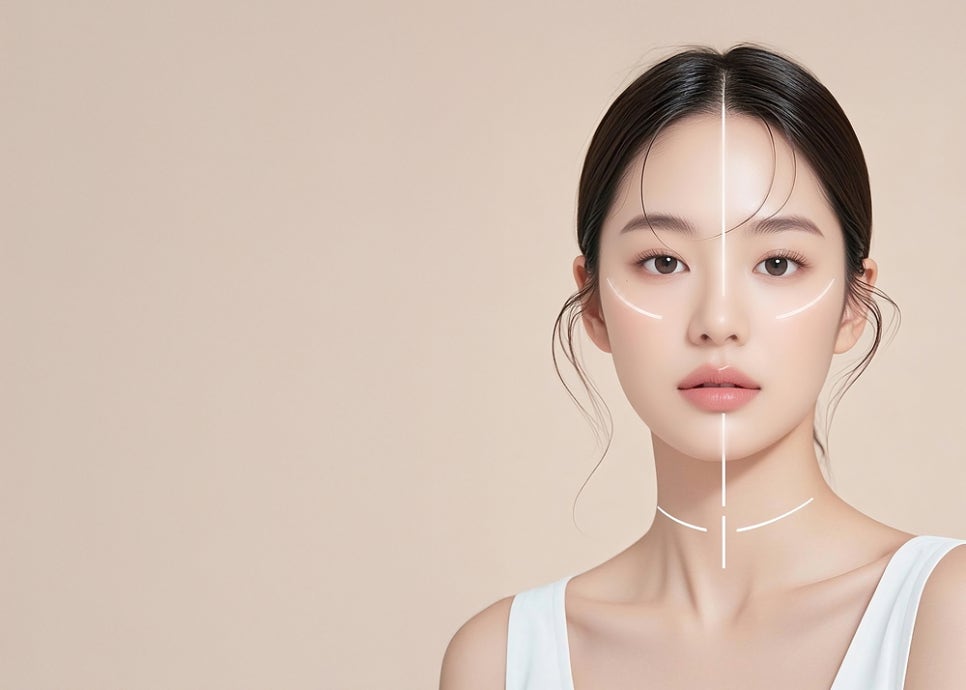
This is also why people look for Gongdeok Station Titanium
In the past, lifting was often thought of as being centered on strong stimulation or immediate changes.
But recently, many people have also become burdened by
- a feeling of looking too tight
- changes that make the face look unnatural
- procedures that are more stimulating than necessary
So these days, many people consider elasticity care in a way that is more natural and less burdensome at the stage when elasticity begins to decline. Gongdeok Station Titanium is also often mentioned within this trend. In particular, people show interest when their elasticity is no longer the same as before but thread lifting still feels too burdensome, or when they want to manage their facial line so it looks a little more refined. Gongdeok Station Titanium lifting is also known as a device with an ice contact cooling function. Because the skin surface is cooled while the laser is being delivered, the approach is designed to reduce heat and stimulation during the procedure. Of course, the level of discomfort varies by person, but it is usually described as a warm heat sensation or a heavy, deep feeling of stimulation inside the skin rather than strong pain.
Facial aging cannot be explained by sagging alone
Aging is difficult to view as simply the skin moving downward.
In reality, factors such as
- reduced elasticity
- decreased collagen density
- changes in the fat layer
- reduced thickness
- changes in facial volume balance
often influence each other.
So repeating only one strong lifting treatment will not necessarily resolve every change naturally. For example, if someone has little facial fat, repeating only strong stimulation may instead emphasize a tired or hollow-looking impression. On the other hand, when reduced elasticity is the main issue, an approach that considers both condition and elasticity flow may be a better fit. For this reason, rather than the device name itself, more people are first checking which direction their current skin changes are progressing in.
Why results differ even with the same Titanium lifting
Even with the same Gongdeok Station Titanium procedure,
there are many reasons why satisfaction differs from person to person.
Representative factors include
- amount of facial fat
- thickness
- degree of elasticity decline
- sensitivity
- history of previous procedures
All of these can have an effect.
In particular, because lasers can produce different changes depending on energy level and delivery method, it may be important to fully consider the current condition. Rather than simply proceeding with strong settings, many people now prefer an approach that adjusts for a natural balance while taking both condition and facial structure into account.
Also, after Gongdeok Station Titanium, depending on the person, people often expect changes such as
- a more refined facial line
- improved skin texture or a brighter look
- a firmer-looking impression
- reduced appearance of enlarged pores caused by laxity
However, it is important to understand it not as a concept that dramatically changes all sagging in just one treatment, but as a way to manage the overall trend of reduced elasticity.
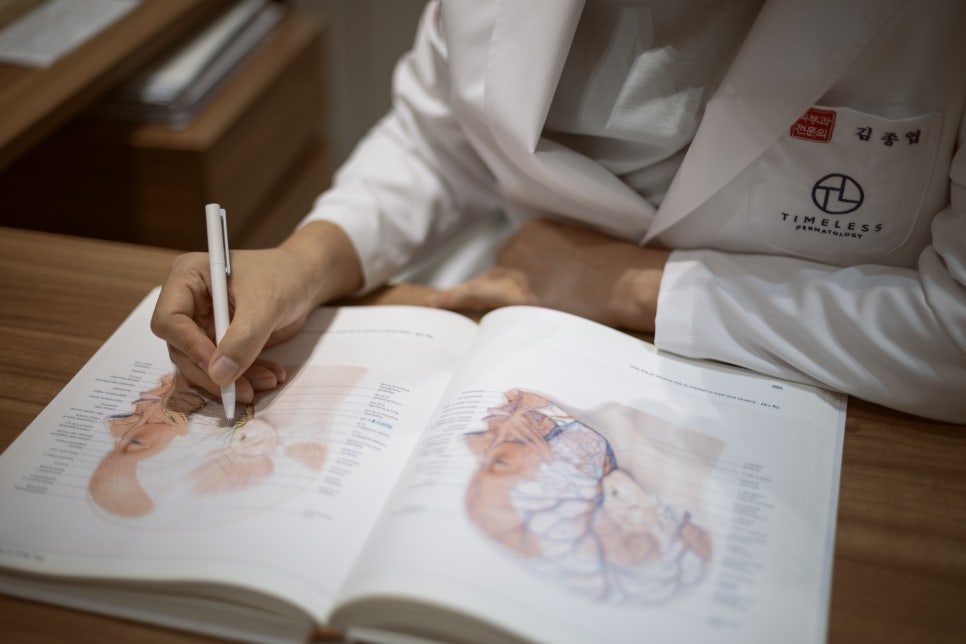
What matters is the direction that matches your current skin changes
Recent lifting trends are less focused on simply “how much more lifted it looks” and more focused on how naturally elasticity and facial impression can be refined. Gongdeok Station Titanium is also one of the treatments that draws interest from people who want to manage elasticity while reducing burden at the stage when skin elasticity begins to decline. It is also known to have relatively little downtime burden, so many people consider it when thinking about elasticity care in a busy daily routine. Immediately after the procedure, daily activities such as washing the face and makeup are possible. However, since each person’s skin type and aging pattern are different, it may be important to approach it with sufficient consideration of the current condition and facial balance by a dermatologist with extensive treatment experience.










Previous image
Next image










Previous image
Next image