“Are Oligio and Oligio X
just slightly different in name?
Or is there actually a difference in how the procedure is performed?”
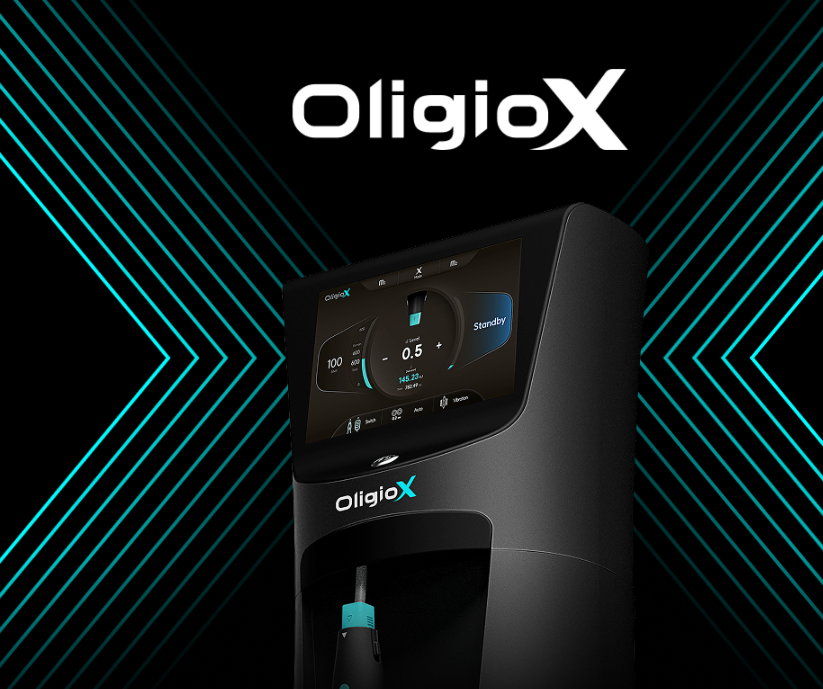
Recently, as people consider Oligio,
more and more are also comparing it with
the upgraded version known as
Oligio X.
But when you actually look it up,
there aren’t many posts that clearly explain
the differences between the two devices,
so some people may still have felt confused.
Both are RF-based lifting devices,
but in practice, there can be differences in the detailed technical structure and treatment approach.
Today, for those considering Oligio,
let’s organize the features of Oligio and Oligio X a little more simply.
Basic principles of Oligio and Oligio X
Oligio is
a lifting device that uses radiofrequency (RF) energy,
in a method similar to Thermage, which many people already know.
It is known for delivering thermal energy to the dermis,
inducing an environment that supports collagen regeneration,
and it is one of the devices often considered
when concerns include reduced elasticity or changes in skin texture.
Especially as time goes by,
when skin elasticity declines
and pore size or texture changes appear as well,
interest in RF lifting continues to grow.
As aging progresses,
the existing collagen structure loosens
and elasticity decreases.
RF energy is used
to deliver thermal stimulation to this type of skin environment
and to help induce new collagen regeneration.
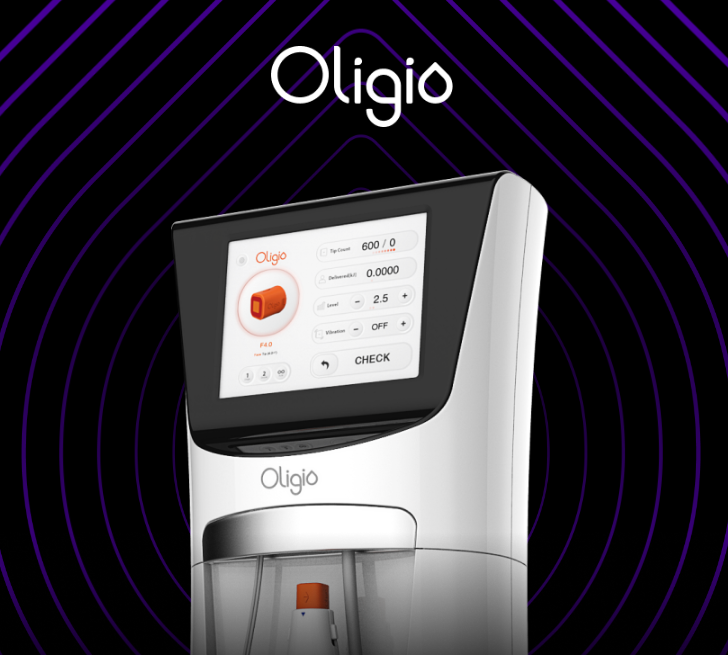
What is different about Oligio X?
Oligio X
preserves the basic principles of the original Oligio,
while being an upgraded version in terms of
energy delivery structure and treatment convenience.
Because RF lifting devices
use thermal energy,
the cooling system is also one of the important factors.
This is because the energy must be delivered appropriately
while protecting the skin surface.
In Oligio X,
the application of a multi-RF system is a feature
that is said to be designed so that
thermal energy can be delivered more evenly.
Another difference is that it is designed to reduce the feeling of heat concentrating too much in a specific area
and to consider a more stable treatment flow.
Also, as output control has become more precise,
it is considered a feature that allows a more detailed approach
depending on skin thickness or the characteristics of the area.
For example,
- areas with thin skin such as around the eyes
- around the mouth
- facial lines with many contours
- skin types with high sensitivity
The delicacy of energy adjustment
can play an important role.
So Oligio X is often understood not simply as
"a new model,"
but as an upgraded version designed with a more refined treatment flow in mind.
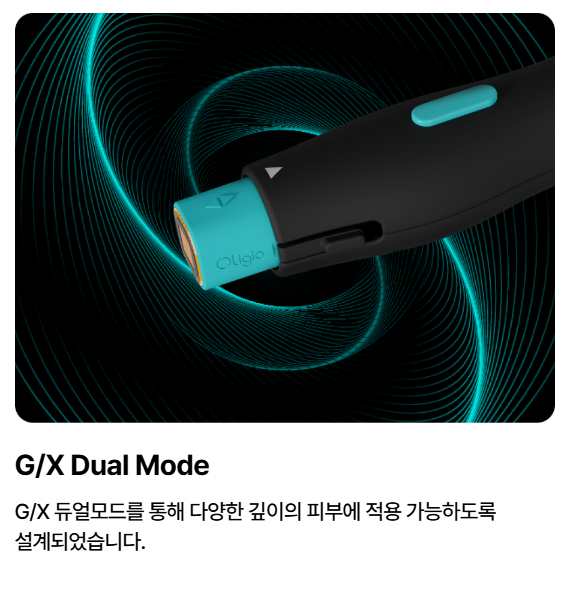
Differences between X mode and G mode
One of the features of Oligio X
is that it can use two dual modes: X mode and G mode.
It is designed to allow a customized approach
depending on skin condition and the desired direction.
First, X mode
is known as a mode with enhanced cooling.
It is designed so that energy can be delivered relatively deep into the dermis,
and there is a tendency to consider it when elasticity loss has progressed deeply.
On the other hand, G mode
is a method that approaches mainly the upper dermal layer,
which is relatively shallow.
For skin that is thin
or a type that is sensitive to stimulation,
it may be used when considering improved elasticity
while reducing the burden.
For example,
if you have concerns such as
"I don't have much facial volume, so would lifting still be okay?"
"My skin is thin, so I'm worried about strong stimulation,"
you may consider G mode according to your skin condition.
Conversely,
if you felt unsatisfied with previous lifting treatments
or are considering delivering energy to a deeper layer,
X mode may also be discussed.
Of course, which method is appropriate
depends on your current skin condition and the degree of elasticity loss.
Important points for maintenance after the procedure
RF lifting
can show changes immediately after the procedure,
but many people also notice changes over time
as collagen regeneration progresses.
In general,
changes in skin elasticity often appear gradually over 2 to 3 months,
and the duration of maintenance may vary depending on individual skin condition and lifestyle habits.
Also, with lifting,
the direction of skin care afterward
can be just as important as the procedure itself.
Typical examples include
- adequate moisturizing care
- sun protection
- minimizing irritation
These are also commonly mentioned as important.
Recently, depending on skin condition,
some people also combine this approach with skin boosters.

What matters most is the approach that suits your skin
Oligio and Oligio X
belong to the same RF lifting category,
but there can be differences in detailed technical structure and approach.
However, what ultimately determines satisfaction
is not simply the device name.
That is because the appropriate treatment method can vary significantly
depending on the current level of skin elasticity,
whether the skin is thin,
and what kind of change you are hoping for.
So if you are considering Oligio,
rather than simply asking, "Which device is more well-known?"
it may be important to also check
what kind of approach your current skin condition needs.
So far, we have looked at how Oligio X differs.
I hope this was helpful in choosing a lifting treatment.










 Previous image
Next image
Previous image
Next image










Previous image
Next image